
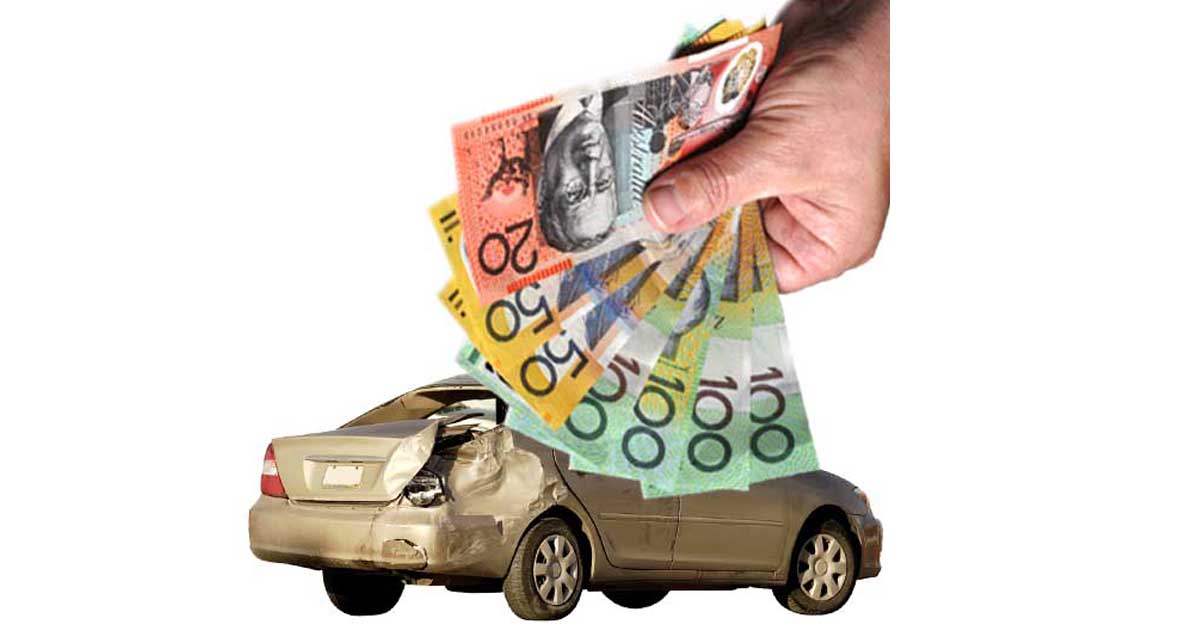
What Your Old Car Is Worth: The Unexpected Value Hidden in Scrap Metal
Many people look at an ageing or damaged car and see a vehicle that has reached the final chapter of its life. The paint may have faded, the engine may no longer run, or the body may carry signs of wear from years of travel. Despite this, an old car still holds hidden worth that many owners do not realise. Behind the worn panels and tired mechanical parts lies a mix of metals and components that continue to hold strong demand in recycling and manufacturing. This is why many owners search for cash for scrap cars manly, but the real story is much broader than a simple handover. The true worth of an old car is found in the journey it takes once it enters the world of scrap metal recovery.
The True Nature of Scrap Metal Worth
A car is made from a combination of metals that remain valuable long after the vehicle stops working. Steel, aluminium, copper, and catalytic materials form a large portion of the structure. These elements can be recovered, processed, and used again in many industries.
Data from national recycling reports shows that Australia recovers millions of tonnes of metal each year. A significant portion of this comes from end-of-life vehicles. Metal recovery reduces the pressure on mining and lowers the energy required to produce new materials. This wider effect makes scrap metal a strong part of modern sustainability efforts, giving every old car a continued role.
Steel: The Backbone of Scrap Value
Steel makes up most of a car’s structure. It is found in the body, chassis, wheel frames, and many interior components. Steel can be melted and reused without losing its strength. It remains one of the most recycled materials in the world.
Studies from industry bodies show that recycling steel uses far less energy than creating new steel from iron ore. This reduction supports national targets for lower emissions. It also shows that even a car with mechanical issues still holds worth through its metal foundation.
The weight of steel in an average car sits between 900 and 1,200 kilograms. This large volume forms the core of the vehicle’s scrap value.
Aluminium: A Light Metal With Strong Worth
Aluminium plays an important role in modern vehicles. It is found in wheels, bonnets, engine blocks, transmission housings, and many interior fittings. Aluminium is lighter than steel but remains easy to recycle.
Australian recycling data shows that aluminium recovery can save up to 90 percent of the energy required to produce new aluminium. This saving plays a strong role in the value of scrap cars. Even small aluminium parts contribute to the overall worth because the metal continues to hold high demand in manufacturing.
Copper: Small Components With Strong Demand
Copper does not take up much space in a vehicle, but it is one of the most valuable metals found in scrap. It is used in wiring, alternators, starters, radiators, and electrical systems.
Copper is essential for many industries, including construction and electronics. Recycling copper uses far less energy than mining new ore. Because of this, scrap yards take great care when removing copper parts from old vehicles. Even the wiring harness holds strong value.
The Unexpected Worth of Catalytic Materials
Modern cars contain catalytic converters that help reduce exhaust emissions. These converters hold small traces of platinum, palladium, and rhodium. These minerals sit among the most valuable materials recovered from scrap vehicles.
Although the amount in each converter is small, the demand for these minerals is high. They support the creation of new catalytic systems for automotive and industrial use. This boosts the overall worth of an end-of-life vehicle.
Tyres, Glass, and Plastics: Hidden Worth Outside the Metal Frame
It is common to think only of metal when discussing scrap value, but other elements of an old car can be repurposed as well.
Tyres can be turned into road surfacing materials, playground mats, and construction products. Glass from windows and windscreens can be turned into building materials or used in new glass production. Plastics from dashboards, bumpers, and interior trims can be melted and reshaped for other products. Free quote here →
These materials may not always form the main share of worth, but they contribute to the wider recovery process.
How Scrap Yards Measure the Worth of an Old Car
Scrap yards often assess a vehicle based on weight, metal type, condition, and market factors. The worth does not depend on whether a car starts or runs. Instead, it relates to how much recoverable material remains.
The strongest factor is usually total weight because steel forms the largest portion. That said, catalytic converters, aluminium wheels, and copper wiring can influence the final estimation.
Market demand plays a role too. Metal prices vary, often influenced by global supply and industry needs. When manufacturing activity increases, demand for recycled metal can rise, which leads to stronger scrap metal worth for old cars.
The Lifecycle of Scrap Metal From Old Cars
Once an old car reaches a recycling facility, the process follows several steps:
1. Removal of Fluids and Hazardous Items
This includes engine oil, brake fluid, coolant, transmission fluid, and fuel. Batteries, airbags, and tyres are also removed. These steps protect the environment and prepare the vehicle for dismantling.
2. Separation of Reusable Parts
Components that still function can be removed and sold for reuse. Examples include alternators, mirrors, wheels, and interior fittings. These parts extend the usefulness of the original vehicle.
3. Shredding of the Main Structure
The remaining metal frame is crushed and shredded. Powerful machines break the vehicle into smaller pieces.
4. Sorting of Metals
Magnets separate steel from other materials. Aluminium, copper, and other metals are further sorted using specialised systems.
5. Distribution to Recyclers and Manufacturers
The recovered metal is sent to metal plants where it is melted and reshaped for new products.
This cycle turns an old vehicle into a resource for industries such as construction, automotive manufacturing, transport, and machinery.
Environmental Impact: The Real Hidden Worth
One of the strongest forms of worth found in scrap cars is the environmental gain that follows recycling. Recovered metal reduces the need for mining. Lower mining activity means reduced land disturbance, lower water use, and fewer emissions.
Recycling also lowers landfill waste. Cars take up large space and do not break down quickly. By recovering most of the metal, only a small portion of a vehicle ends up in landfill. This supports long-term waste management goals across Australia.
The Human Side of Scrap Car Worth
Old cars also support employment in dismantling, transport, processing, and metal recovery. Skills in these fields remain important for local communities. Workers in this sector help maintain safety standards and resource management.
Even car enthusiasts benefit from the availability of second-hand parts. Many restoration projects rely on parts recovered from scrap vehicles. Without this supply, many older cars would never be restored.
Conclusion: A Hidden Resource With Lasting Worth
An old car may appear worn and tired, but its hidden worth reaches far beyond its final day on the road. It carries steel, aluminium, copper, and catalytic materials that remain important for modern industry. It supports recycling efforts that reduce environmental impact. It contributes to manufacturing, construction, and resource recovery.
Every ageing vehicle plays a part in a wider cycle that helps the environment, supports industry, and reduces waste. The hidden worth inside scrap metal shows that the end of a car’s life is not the end of its usefulness. It becomes a resource that continues to support the world in many unexpected ways.