
Understanding the Most Effective Anemia Treatment in Dubai
Anemia is a common health condition that affects people of all ages. It happens when the body does not have enough healthy red blood cells to carry oxygen to different parts of the body. When this happens, you may feel tired, weak, dizzy, or short of breath, even during simple daily activities. The good news is that anemia is usually treatable, especially when the right cause is identified early.
Dubai is known for its advanced medical care and experienced specialists. Many people living in the city or visiting from other countries look for reliable anemia treatment in dubai because of the availability of modern testing facilities and personalized care. Whether your anemia is due to low iron, vitamin deficiency, chronic disease, or another reason, getting proper treatment can help improve your health and quality of life.
This article explains anemia in simple words, the types, causes, symptoms, diagnosis, and the most effective treatment options available in Dubai. It is written to help you understand your condition better so you can take the right steps toward recovery.
What Is Anemia?
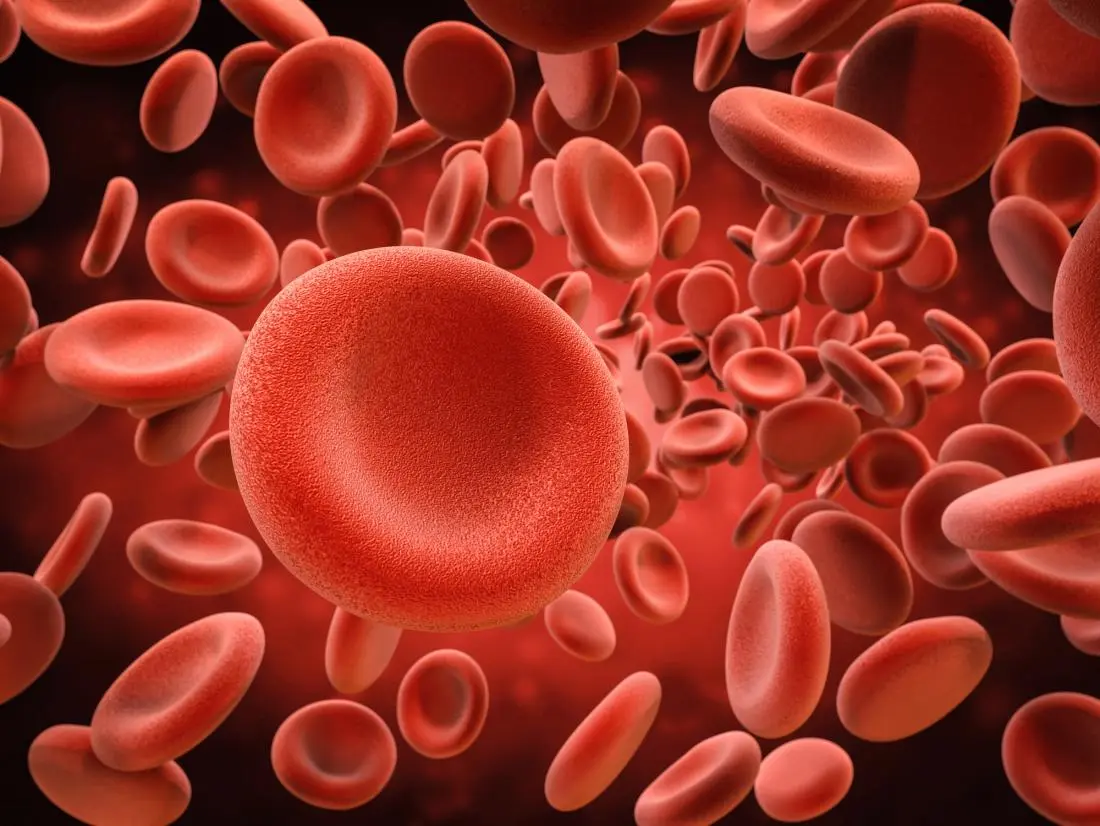
Anemia is a condition where the number of red blood cells or the amount of hemoglobin in your blood is lower than normal. Hemoglobin is the protein inside red blood cells that carries oxygen to the body. When hemoglobin levels drop, less oxygen reaches your tissues and organs.
This lack of oxygen makes the body work harder, which results in tiredness and weakness. Some people may feel the symptoms suddenly, while for others, anemia develops slowly over time.
Common Types of Anemia
There are several types of anemia, and each one has a different cause. Understanding the type of anemia helps doctors in Dubai provide the right treatment.
1. Iron-Deficiency Anemia
This is the most common type. It happens when your body does not have enough iron to make hemoglobin. Without enough iron, red blood cells become smaller and weaker.
Causes include:
-
Poor diet lacking iron-rich foods
-
Pregnancy
-
Heavy menstrual bleeding
-
Internal bleeding (stomach ulcers, colon problems)
-
Poor absorption of iron due to digestive issues
2. Vitamin-Deficiency Anemia
Your body needs vitamins like B12 and folic acid to make red blood cells. Low levels of these vitamins can cause anemia.
Causes include:
-
Poor nutrition
-
Digestive disorders (e.g., celiac disease)
-
Certain medications
-
Lack of intrinsic factor (needed for vitamin B12 absorption)
3. Chronic Disease Anemia
Long-term illnesses like kidney disease, cancer, autoimmune disorders, or infections can reduce red blood cell production.
4. Hemolytic Anemia
In this type, red blood cells break down faster than the body can replace them.
Causes include:
-
Genetic disorders
-
Autoimmune conditions
-
Certain medications
-
Infections
5. Aplastic Anemia
A rare but serious condition where the bone marrow fails to produce enough blood cells. It may be caused by infections, autoimmune disorders, or exposure to toxic substances.
6. Sickle Cell Anemia
A genetic disorder where red blood cells become sickle-shaped and cannot carry oxygen properly. It is more common in certain ethnic groups.
What Causes Anemia?
Anemia can happen for different reasons. The most common causes include:
1. Lack of Iron
Iron is needed to make hemoglobin. When your diet does not include enough iron or your body loses too much blood, anemia can develop.
2. Poor Nutrition
Not getting enough vitamin B12, folate, or iron from your daily meals can affect red blood cell production.
3. Blood Loss
Blood loss can occur slowly or suddenly. Heavy periods, injuries, surgeries, internal bleeding, or digestive problems can all cause anemia.
4. Chronic Medical Conditions
Long-term illnesses can reduce the body’s ability to make red blood cells or shorten their lifespan.
5. Genetic Disorders
Some people inherit conditions that affect red blood cells, such as sickle cell disease or thalassemia.
6. Bone Marrow Problems
If the bone marrow is damaged—due to infection, medication, cancer, or immune-related issues—it cannot produce enough healthy cells.
Common Symptoms of Anemia
Anemia symptoms vary depending on the type and severity. Some people may not show signs until the anemia becomes worse.
Common symptoms include:
-
Tiredness or weakness
-
Pale skin, nails, or lips
-
Shortness of breath
-
Dizziness or lightheadedness
-
Rapid heartbeat
-
Cold hands and feet
-
Headaches
-
Difficulty concentrating
-
Chest pain (in severe cases)
If these symptoms persist, medical evaluation is important because they may indicate a hidden health problem.
How Anemia Is Diagnosed in Dubai
Dubai has modern laboratory facilities that help doctors diagnose anemia quickly and accurately. Proper diagnosis is the key to finding the right treatment.
1. Complete Blood Count (CBC)
This is the most common test. It checks:
-
Hemoglobin level
-
Number of red blood cells
-
Size of blood cells
A low hemoglobin level usually confirms anemia.
2. Iron Studies
These tests measure:
-
Ferritin (iron storage)
-
Serum iron
-
Total iron-binding capacity
They help identify iron-deficiency anemia.
3. Vitamin B12 and Folate Tests
Low levels may indicate vitamin-deficiency anemia.
4. Bone Marrow Test
Used in rare cases, especially when bone marrow disorders are suspected.
5. Additional Tests
Depending on the cause, doctors may request:
-
Kidney function tests
-
Thyroid tests
-
Stool tests (to check for bleeding)
-
Ultrasound or endoscopy (if internal bleeding is suspected)
Most Effective Anemia Treatment Options in Dubai
Treatment depends on the type and cause of anemia. Dubai provides a wide range of effective treatment options supported by trained specialists and advanced medical technology.
1. Iron Supplements
Iron tablets are commonly prescribed for iron-deficiency anemia. They help restore iron levels and improve hemoglobin.
Important notes:
-
Should be taken with vitamin C for better absorption
-
Can cause stomach upset in some people
-
Must be taken regularly until iron stores are fully restored
2. Intravenous (IV) Iron Therapy
This is recommended when:
-
Oral iron does not work
-
Side effects from oral iron are severe
-
Iron needs to be replaced quickly
-
Digestive issues prevent absorption
IV iron therapy is available in many Dubai clinics and is given under medical supervision.
3. Vitamin B12 Injections or Tablets
People with vitamin B12 deficiency may need:
-
Monthly injections
-
High-dose oral supplements
For those with absorption issues, injections are usually more effective.
4. Folic Acid Supplements
These help treat anemia caused by folate deficiency. Pregnant women and people with poor diets often need extra folic acid.
5. Treatment for Chronic Illnesses
If anemia is caused by kidney disease, cancer, or autoimmune disorders, treating the underlying condition is necessary. Doctors may use:
-
Hormone injections to stimulate red blood cell production
-
Medications for inflammation
-
Kidney medications
6. Blood Transfusions
Used for severe anemia or emergency cases. Transfusions help raise hemoglobin quickly and support the body until other treatments take effect.
7. Bone Marrow Treatment
For aplastic anemia or leukemia-related anemia, bone marrow therapy or stem cell treatment may be needed.
8. Dietary Changes
Doctors often recommend eating more foods that support red blood cell production, such as:
Iron-rich foods:
-
Red meat
-
Chicken
-
Fish
-
Lentils
-
Spinach
-
Beans
-
Fortified cereals
Vitamin B12-rich foods:
-
Eggs
-
Dairy products
-
Meat
-
Fish
Folate-rich foods:
-
Green leafy vegetables
-
Nuts
-
Whole grains
Making these changes supports ongoing recovery and helps prevent anemia from returning.
Why Many People Choose Dubai for Anemia Treatment
Dubai has become a trusted destination for anemia care for several reasons:
1. Advanced Diagnostic Technology
Hospitals and clinics are equipped with modern machines that provide quick and accurate blood test results.
2. Experienced Specialists
Internal medicine doctors, hematologists, gastroenterologists, and nutrition experts work together to diagnose and treat anemia.
3. Personalized Treatment Plans
Every patient receives a care plan based on their medical history, lifestyle, blood tests, and symptoms.
4. Fast Access to Treatment
Most clinics offer same-day testing, ensuring faster diagnosis and quicker treatment options.
5. Comfortable and Safe Care
Dubai’s healthcare standards are high, with strict hygiene, trained staff, and patient-focused care.
How to Prevent Anemia
While not all types of anemia can be prevented, many cases can be avoided with healthy habits.
1. Eat a Balanced Diet
Include iron-rich foods, green vegetables, fruits, grains, and proteins in your meals.
2. Take Supplements if Needed
Pregnant women, older adults, and people with certain health conditions may need iron or vitamin supplements.
3. Treat Underlying Health Problems
Managing conditions like kidney disease, stomach issues, or hormonal problems can prevent anemia.
4. Get Regular Checkups
Routine blood tests help detect anemia early before symptoms become severe.
When Should You See a Doctor?
Seek medical help if you notice:
-
Continuous tiredness
-
Shortness of breath
-
Pale skin
-
Fast heartbeat
-
Dizziness
-
Heavy menstrual bleeding
-
Unexplained weight loss
Early diagnosis can make treatment easier and prevent complications.
Conclusion
Anemia is a common but manageable condition. With the right diagnosis and treatment, most people recover fully and regain their normal energy levels. Dubai offers advanced medical care, experienced specialists, and a wide range of treatment options for different types of anemia. If you experience symptoms or are concerned about your health, seeking professional evaluation is important. Proper guidance and a personalized care plan can make recovery smoother and more effective. Many patients look for the best anemia treatment in Dubai to ensure they receive accurate diagnosis, timely care, and long-term support tailored to their needs.
For expert advice and personalized care, you may consult Dr. Neil Philip Galletly, who provides comprehensive support and treatment for patients dealing with anemia and related health concerns.