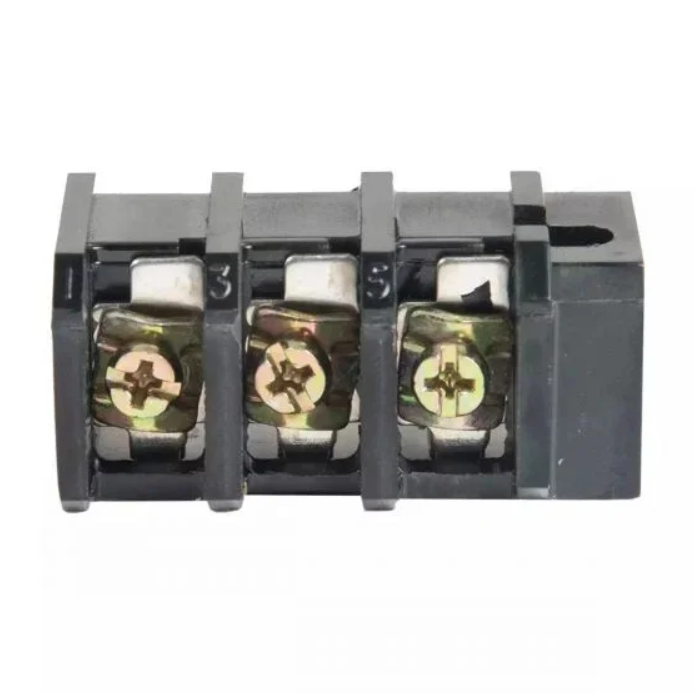
Thermal Overload Relay, Contactors and Relays: Complete Guide to Motor Control
Electric motors are at the heart of modern industrial, commercial, and infrastructure operations. From manufacturing plants and water pumping systems to HVAC units and automation lines, motors drive productivity and efficiency. However, motors are also vulnerable to electrical and mechanical faults, making reliable motor control and protection essential.
This is where the thermal overload relay and contactors and relays play a critical role. Together, these components form the foundation of safe, efficient, and dependable motor control systems. This guide explains how they work, their applications, and how buyers and engineers can select the right solutions for long-term performance.
Importance of Motor Control and Protection
Motor control is not just about switching a motor on or off. It involves managing starting current, protecting against overloads, and ensuring smooth operation under varying load conditions. Without proper control and protection, motors can overheat, consume excess energy, or fail prematurely. The combination of thermal overload relay and contactors and relays ensures that motors operate within safe limits while maintaining system reliability.
Understanding Contactors and Relays
Contactors and relays are electrically operated switching devices used to control electrical circuits. They allow low-power control signals to switch high-power loads safely and efficiently. Relays are typically used for low-current applications such as control circuits and automation logic. Contactors, on the other hand, are designed to handle higher current loads and are commonly used for motor switching.
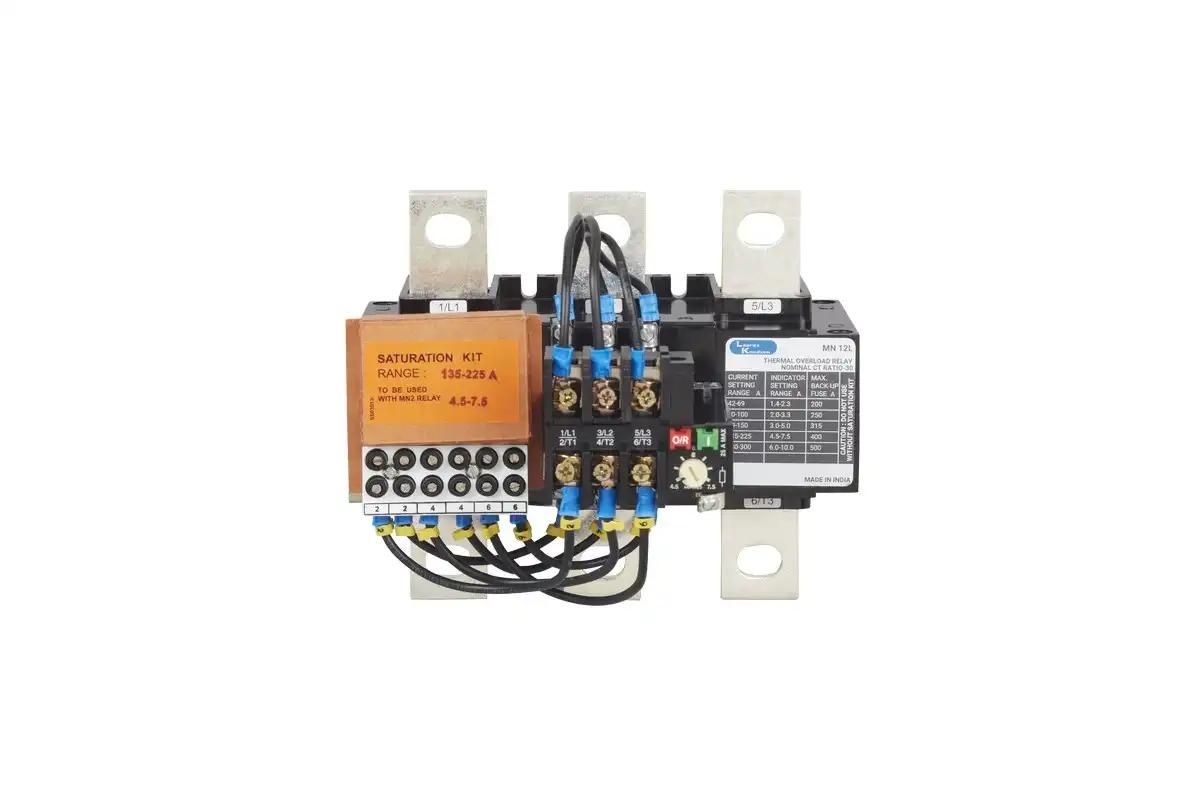
How Contactors Work in Motor Control
A contactor operates using an electromagnetic coil. When the coil is energized, it pulls the contacts together, allowing current to flow to the motor. When de-energized, the contacts open, disconnecting the motor from the power supply. In motor control circuits, contactors and relays provide safe and remote switching capability. They allow motors to be controlled automatically through control panels, sensors, or programmable systems.
Difference Between Contactors and Relays
Although they work on similar principles, contactors and relays differ in design and application. Relays are smaller and used for signal-level control, while contactors are built to handle high current and frequent switching. In motor control systems, contactors handle the main power circuit, while relays manage logic, sequencing, and interlocking functions. Together, contactors and relays form an integrated control solution.
Introduction to Thermal Overload Relay
A thermal overload relay is a protective device designed to safeguard motors from overheating due to excessive current. Unlike short circuits, overload conditions develop gradually and can damage motor windings over time. The thermal overload relay monitors motor current and responds when it exceeds safe limits for a prolonged period. This makes it an essential component of any motor protection scheme.
Working Principle of Thermal Overload Relay
A thermal overload relay operates based on the heating effect of current. Most designs use bimetallic strips that bend when heated by excess current. As the temperature rises beyond a preset level, the relay trips and opens the control circuit. This action disconnects the contactor coil, shutting down the motor and preventing further overheating. Once the motor cools down, the relay can be reset manually or automatically, depending on the design.
Why Thermal Overload Protection Is Essential
Motors can experience overload due to mechanical jams, voltage imbalance, or excessive load demand. If not protected, these conditions can degrade insulation, reduce efficiency, and lead to costly failures. A thermal overload relay provides time-delayed protection, allowing temporary overloads while stopping sustained overheating. This balance prevents nuisance tripping while ensuring motor safety.
Role of Contactors and Relays with Thermal Overload Relay
In a motor control circuit, the thermal overload relay works in coordination with contactors and relays. The contactor supplies power to the motor, while the overload relay monitors current flow. When an overload occurs, the thermal relay interrupts the control circuit, causing the contactor to open. This integrated operation ensures rapid response to unsafe conditions without damaging system components.
Applications of Contactors and Relays in Motor Control
Contactors and relays are used in a wide range of motor control applications. These include conveyor systems, pumps, compressors, elevators, and HVAC equipment. In industrial automation, relays manage logic sequences while contactors handle motor switching. This separation improves safety, flexibility, and ease of troubleshooting.
Applications of Thermal Overload Relay
The thermal overload relay is widely used in single-phase and three-phase motor installations. It is commonly found in manufacturing plants, water treatment facilities, and commercial buildings. Any application involving continuous motor operation benefits from thermal overload protection. This includes fans, blowers, mixers, and machine tools.

Types of Thermal Overload Relays
Thermal overload relays are available in different designs to suit various motor ratings. Bimetallic overload relays are widely used due to their simplicity and reliability. Electronic overload relays offer higher accuracy, phase loss protection, and adjustable settings. Choosing the right thermal overload relay depends on motor size, operating conditions, and protection requirements.
Selection Criteria for Contactors and Relays
Selecting the right contactors and relays requires careful evaluation of motor current, voltage, and duty cycle. The contactor must be rated to handle the motor’s starting and running current safely. Environmental conditions such as temperature, dust, and humidity also influence selection. High-quality materials and certified designs ensure long service life and dependable operation.
Selection Criteria for Thermal Overload Relay
When choosing a thermal overload relay, matching the current rating to the motor’s full-load current is critical. The relay should be adjustable within the motor’s operating range. Trip class selection determines how quickly the relay responds to overloads. Proper selection ensures protection without unnecessary interruptions.
Installation and Wiring Considerations
Correct installation is essential for effective motor control and protection. The thermal overload relay should be properly aligned with the contactor and wired according to manufacturer guidelines. Loose connections or incorrect settings can compromise protection. Installation should always be carried out by qualified professionals to ensure safety and compliance.
Maintenance and Operational Reliability
Regular inspection of contactors and relays helps identify worn contacts, coil issues, or insulation damage.Thermal overload relays should be tested periodically to confirm correct tripping behavior. Preventive maintenance reduces downtime and extends equipment life. Reliable motor control systems contribute to overall operational efficiency.
Energy Efficiency and Cost Savings
Efficient motor control reduces energy waste and operating costs. Proper coordination between contactors and relays and thermal protection ensures motors run within optimal limits. Preventing overheating improves motor efficiency and reduces maintenance expenses. Over time, these savings contribute significantly to operational profitability.
Future Trends in Motor Control Technology
Modern motor control systems are evolving toward intelligent and digital solutions. Smart contactors and electronic overload relays provide real-time monitoring and diagnostics. Advanced thermal overload relay designs offer communication interfaces for predictive maintenance. These innovations enhance reliability and reduce unexpected failures.