The Rise of Artificial Jewellery: Why Fashion Jewellery Is Having Its Moment in Pakistan
There’s been a major shift happening in Pakistan’s jewellery scene over the past few years, and Gold and Silver jewellery is right at the center of it. What used to be seen as cheap imitations or temporary substitutes for real gold has evolved into its own legitimate category with dedicated designers, quality craftsmanship, and enthusiastic customers who choose fashion jewellery by preference rather than necessity.
Walk into any mall or browse online shops, and you’ll see artificial jewellery getting the same attention and display space that was once reserved exclusively for gold and precious stones. So what changed? And why are more people, including those who can easily afford gold, choosing artificial jewellery instead?
Understanding What Artificial Jewellery Actually Is
Let’s start with terminology, because the words people use for this category vary. Artificial jewellery, fashion jewellery, imitation jewellery, costume jewellery—these terms all refer basically to the same thing: decorative pieces made from base metals, plated materials, artificial stones, and other non-precious materials designed to look attractive without the cost of gold or real gemstones.
The quality spectrum within artificial jewellery is incredibly wide. At the bottom, you have cheap pieces that tarnish quickly, turn skin green, and fall apart after a few wears. At the top, you have carefully designed fashion jewellery using quality alloys, durable plating like rhodium, well-cut cubic zirconia, and construction techniques that create pieces lasting years with proper care.
Understanding this quality range matters because not all artificial jewellery delivers the same experience or value. The cheapest options might save money upfront but become unwearable quickly. Mid to high-quality fashion jewellery costs more initially but provides significantly better longevity and appearance.
Why Artificial Jewellery Became So Popular
The obvious reason people choose artificial jewellery is price. You can buy multiple pieces for the cost of a single gold item, building a diverse collection that works with different outfits and occasions. For young professionals, students, or anyone working with a tight budget, this accessibility matters enormously.
But price alone doesn’t explain the full story. Even people who own gold jewellery are deliberately choosing artificial pieces for various situations. The risk factor plays a big role here. Wearing expensive gold jewelry in public spaces, during travel, or to casual events carries theft and loss concerns. Fashion jewellery eliminates this anxiety completely.
Style versatility is another major draw. Fashion jewellery follows trends more quickly than traditional gold jewellery. Designers can experiment with bold designs, unusual materials, and contemporary aesthetics that might not work in expensive gold pieces. You can try trending styles without major financial commitment.
The casual nature of modern life also favors artificial jewellery. Most people aren’t attending formal events daily. They need accessories that work with jeans and casual shirts, not just formal wear. Fashion jewellery fits this lifestyle better than heavy traditional gold pieces.
Materials and Construction Techniques
Quality artificial jewellery uses various materials and techniques that affect both appearance and durability. Understanding these helps you assess what you’re buying.
Base metals form the foundation of most fashion jewellery. Brass and copper are common, offering good workability and reasonable durability. Zinc alloys provide lighter weight. Stainless steel has become increasingly popular for its resistance to tarnishing and skin reactions.
Plating adds the visual finish. Gold plating creates that warm, yellow metal appearance. Silver or rhodium plating gives a bright, white metal look. The thickness of plating matters significantly—thicker plating lasts longer before wearing through. Quality pieces often specify microns of plating, with higher numbers indicating better durability.
Stone settings in artificial jewellery range from simple gluing to more sophisticated prong or channel settings. Better quality pieces use settings that secure stones properly and mimic techniques used in fine jewellery. Cubic zirconia provides diamond-like sparkle when cut well. Colored crystals, glass stones, and acrylic all find uses depending on the design and price point.
Enamel work adds color and detail to artificial jewellery, though the quality varies. Hand-painted enamel or baked enamel finishes typically outlast simple paint or coating.
Shopping for Quality Artificial Jewellery
Finding good artificial jewellery requires knowing what to look for and where to shop. Not all sellers prioritize quality, and the market includes plenty of pieces that won’t survive more than a few wears.
Physical inspection matters when possible. Look for smooth finishes without rough edges or poorly executed joints. Check that clasps and closures work smoothly and feel secure. Stone settings should hold gems firmly without visible glue. Weight can indicate quality—pieces that feel substantial usually use better materials than ultra-lightweight items.
Plating quality isn’t always visible initially but matters for longevity. Ask sellers about plating type and thickness. Rhodium-plated pieces typically resist tarnishing better than simple silver plating. Multi-layer plating (base layer plus top coat) provides better protection than single-layer finishes.
Brand reputation helps when shopping online where you can’t physically inspect pieces. Established fashion jewellery brands have more to lose from selling poor quality, so they typically maintain better standards than random sellers.
Customer reviews and photos matter enormously for online shopping. Look specifically for reviews mentioning how pieces held up over time, whether plating wore off quickly, if stones fell out, or if the items caused skin reactions. Recent photos from actual buyers show real-world appearance better than professional product shots.
Styling Artificial Jewellery Effectively
One advantage of fashion jewellery is the freedom to experiment with bold styles and combinations you might avoid with expensive gold pieces. But some guidelines help create polished looks rather than costume-party vibes.
Mixing artificial jewellery with real gold rarely looks intentional. The color and finish differences between gold plating and actual gold become obvious up close. If you’re wearing real gold, stick with it. If you’re wearing fashion jewellery, commit fully to that choice.
Proportion matters in jewellery styling generally, but especially with artificial pieces where you can afford to own statement items. Balance bold necklaces with simpler earrings. If your earrings are dramatic, keep necklaces minimal or skip them entirely. Piling on multiple statement pieces simultaneously usually looks cluttered rather than fashionable.
Consider your outfit formality when selecting jewellery. Fashion jewellery works brilliantly with casual and semi-formal clothing. For very formal events where others might wear significant gold or diamond pieces, artificial jewellery can look out of place not because of quality issues but because of context mismatch.
Color coordination between jewellery and outfits creates cohesive looks. This doesn’t mean exact matching, which can look dated, but ensuring metal tones and stone colors work harmoniously with your clothing palette.
Care and Maintenance
Artificial jewellery requires different care than gold pieces, and proper maintenance dramatically extends wearable life.
Remove fashion jewellery before showering, swimming, exercising, or sleeping. Water, sweat, and friction all accelerate deterioration of plating and can loosen stone settings. This single habit probably does more to preserve artificial jewellery than anything else.
Store pieces separately to prevent scratching. Small zip-lock bags work well for individual items. Keep jewellery away from direct sunlight and humidity, both of which can affect plating and materials.
Cleaning should be gentle. Soft cloths remove dirt and restore shine without damaging plating. Avoid harsh chemicals, ultrasonic cleaners, or abrasive materials that might strip plating or damage stones. For pieces needing more thorough cleaning, mild soap and water work, followed by careful drying.
Accept that artificial jewellery has a lifespan. Even with excellent care, plating eventually wears, stones may loosen, and pieces show age. The goal isn’t making fashion jewellery last forever but maximizing value during its functional life.
The Pakistani Artificial Jewellery Market
Pakistan’s fashion jewellery market has grown and professionalized significantly. What was once primarily cheap imported pieces has evolved to include local designers and manufacturers creating original designs.
Major shopping areas in cities like Karachi, Lahore, and Islamabad now feature dedicated artificial jewellery stores with curated collections and proper retail environments. These aren’t makeshift stalls but serious businesses with inventory management, trained staff, and quality control.
Online platforms have particularly boosted artificial jewellery accessibility. Instagram shops, Facebook pages, and dedicated e-commerce sites offer enormous variety. The lower price points of fashion jewellery make people more comfortable buying online without physical inspection.
Local designers have entered the artificial jewellery space, creating pieces that reflect Pakistani aesthetics and cultural preferences. These designs often work better with local clothing styles than purely imported items designed for different markets.
Artificial Jewellery for Special Occasions
Fashion jewellery has found acceptance even for occasions where traditional gold jewellery once dominated. Mehndi functions increasingly see brides and guests wearing elaborate artificial sets that complement colorful outfits without the stress of securing expensive gold pieces.
The practical advantages become obvious at large events. Multiple guests wearing valuable gold creates security concerns. Fashion jewellery eliminates this worry while still allowing for impressive, photogenic styling.
Some brides choose artificial jewellery for certain wedding functions, saving gold for the main ceremony. This approach balances tradition with practicality and budget consciousness.
Dance performances, stage shows, and other entertainment contexts particularly suit artificial jewellery where visual impact matters more than intrinsic value and pieces might face rough handling.
Price Points and Value Expectations
Artificial jewellery pricing varies from under a hundred rupees for simple pieces to several thousand for designer fashion jewellery with quality construction and materials.
Understanding what represents good value helps avoid both overpaying and buying such cheap pieces that they’re essentially disposable. Rock-bottom prices usually mean corresponding quality. If something seems incredibly cheap, it probably won’t last.
Mid-range fashion jewellery typically offers the best value proposition—decent quality materials, reasonable durability, and current designs without luxury markups. This segment has expanded significantly as the market matures.
High-end fashion jewellery from recognized designers or brands costs substantially more but provides better longevity, more sophisticated designs, and superior materials. Whether this additional cost makes sense depends on how much you’ll wear pieces and what importance you place on design quality.
The Environmental and Ethical Angle
An often-overlooked aspect of artificial jewellery is its environmental and ethical profile compared to gold mining and diamond extraction. Mining precious metals and stones involves significant environmental impact and sometimes problematic labor conditions.
Fashion jewellery isn’t environmentally neutral—metal production and chemical processes have impacts. But the overall footprint per piece is generally smaller than precious metal mining. Some brands now emphasize sustainable practices, recycled materials, and ethical production.
For consumers concerned about these issues, artificial jewellery offers a way to enjoy decorative accessories without supporting potentially problematic mining operations. This consideration factors into purchasing decisions for an increasing number of buyers.
Trends in Pakistani Fashion Jewellery
Current trends in Pakistan’s artificial jewellery market reflect both global influences and local preferences. Layered necklaces remain popular, with multiple thin chains worn together creating dimension without overwhelming outfits.
Statement earrings, particularly chandelier styles and geometric designs, continue strong sales. These pieces make impact without requiring other jewellery, perfect for the modern preference for selective accessorizing.
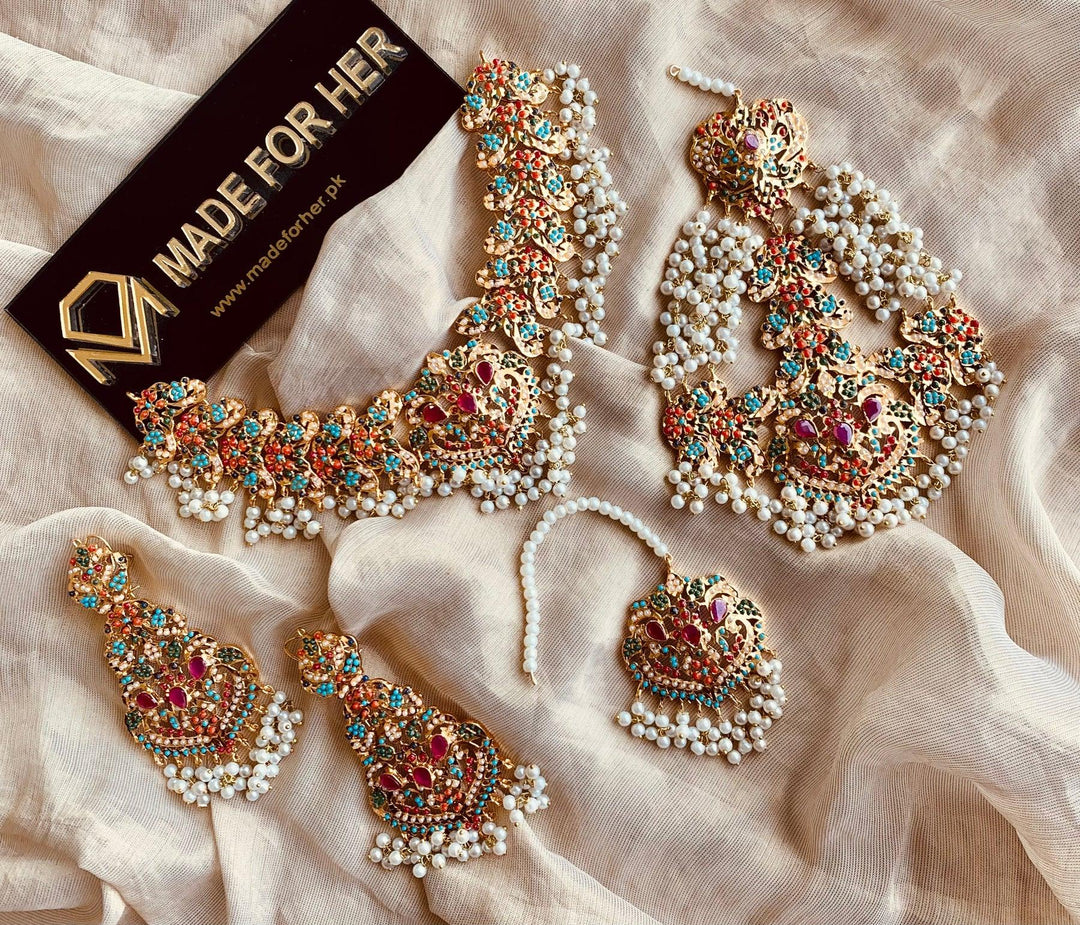
Kundan-inspired artificial jewellery brings traditional aesthetics to fashion price points. These pieces mimic the look of traditional kundan work using glass stones and quality plating, offering impressive appearance without gold investment.
Minimalist designs appeal to younger buyers and those preferring subtle accessorizing. Simple pendants, delicate chains, and understated earrings work with various styles and occasions.
Oxidized silver-look jewellery has gained traction, particularly for pairing with ethnic wear. The antique finish creates bohemian vibes popular with fashion-conscious consumers.
Making Artificial Jewellery Work Long-Term
Successfully incorporating fashion jewellery into your style means thinking beyond individual pieces to building a versatile collection. Start with basics that work across multiple outfits and occasions—simple earrings, a good quality chain, versatile bracelet.
Add statement pieces gradually based on your actual lifestyle and wardrobe. There’s no point owning dramatic jewellery that never matches anything you wear or fits occasions you attend.
Rotate pieces rather than wearing the same items constantly. This distributes wear across your collection and keeps your look fresh. Regular rotation also helps you appreciate pieces that might get overlooked.
Know when artificial jewellery isn’t appropriate. Very formal events, professional contexts where expensive jewellery signals status, or situations where cultural expectations emphasize real gold might call for different choices.
View fashion jewellery as exactly what it is—accessible accessories that add to your style without major investment. Trying to make artificial jewellery substitute completely for fine jewellery in all contexts misses the point. Each category has its place, and understanding those distinct roles lets you use both effectively.
The artificial jewellery market in Pakistan has matured into a legitimate category offering real value for consumers at various price points. Whether you’re building your first jewellery collection, looking for everyday accessories, or want fashion-forward pieces without gold investment, today’s fashion jewellery market provides options that were simply unavailable a generation ago.