
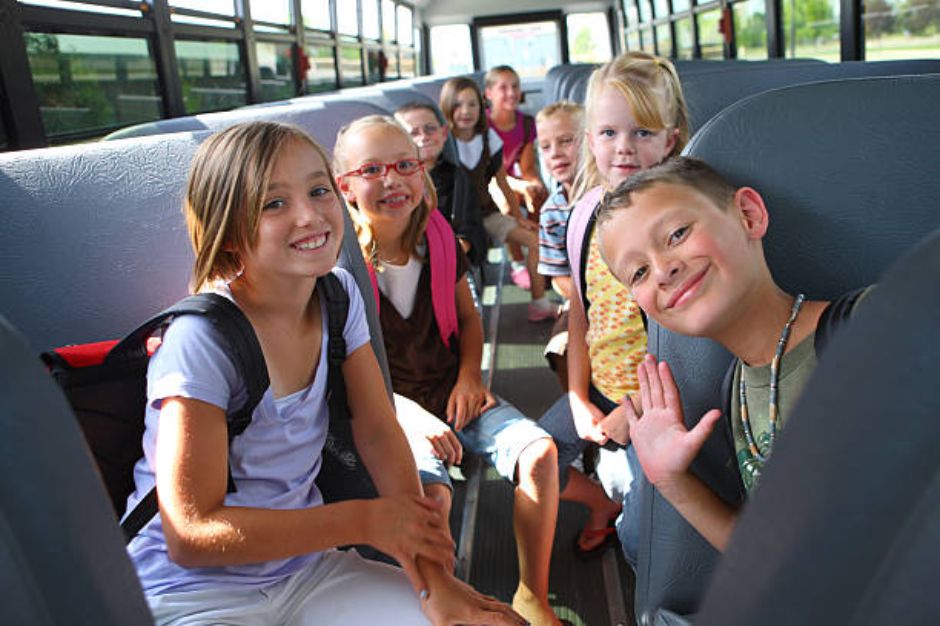
The Future of Child Commutes: Trends in Safe and Efficient Transportation
Transportation plays a critical role in children’s daily lives. As cities grow and traffic patterns evolve, the ways children move to and from school, extracurricular activities, and other destinations change rapidly. Parents, schools, and city planners increasingly focus on safety, efficiency, and sustainability in child commutes. Advances in technology, urban planning, and vehicle design all contribute to shaping the future of child transportation.
Key Takeaways
- Technology enhances child commute safety through GPS tracking, AI, and connected vehicle systems.
- Active transportation like walking and cycling promotes health while reducing congestion.
- Autonomous vehicles and AI-driven route optimization may shape the future of school commutes.
- Data analytics helps prevent accidents, optimize bus routes, and improve city infrastructure.
- Eco-friendly transportation solutions, including electric buses and micro-mobility options, reduce environmental impact.
- Community involvement and policy support play crucial roles in ensuring safe, efficient travel for children.
- Emergency preparedness and contingency planning reduce stress during unexpected events.
- Social and psychological well-being is increasingly considered in the design of child transportation systems.
Smart Transportation Technologies
Technology has already transformed how people travel, and children’s transportation is no exception. Smart transportation solutions enhance safety, improve efficiency, and reduce parental stress. GPS tracking in school buses allows parents to monitor routes in real-time, giving them peace of mind. Some systems send notifications when children board or leave the bus, ensuring accountability and safety.
Electric school buses are gaining traction in many cities. These buses reduce emissions, contributing to cleaner air around schools. They also run quietly, reducing noise pollution in neighborhoods. Modern buses often include advanced braking systems, cameras, and sensors that monitor both passengers and surroundings.
Child transportation services now include ride-sharing apps and specialized vehicle options. Companies provide vetted drivers, real-time tracking, and secure check-in processes. These services ensure that children reach their destinations safely while giving parents transparency and control.
Active Transportation and Health Benefits
Walking and cycling remain essential modes of child commuting, especially in urban areas. Cities increasingly invest in pedestrian-friendly streets, protected bike lanes, and crossing signals tailored for children. Such infrastructure encourages kids to stay active, reducing sedentary lifestyles and promoting physical health.
Programs like walking school buses, where groups of children walk together under adult supervision, combine safety with exercise. Schools can partner with local authorities to implement safe routes, ensuring children can navigate streets without risk. Communities that prioritize active transportation also see benefits in reduced traffic congestion and lower carbon footprints.
Safety Measures and Traffic Management
Safety remains the top priority in child transportation. Advanced traffic management technologies now support this goal. Smart traffic lights, speed limit sensors, and pedestrian detection systems reduce accidents in school zones. Some cities implement school-zone cameras that automatically monitor vehicle speed and notify authorities of violations.
Vehicle design also enhances safety. Modern school buses come equipped with seat belts, reinforced frames, and emergency communication systems. For younger children, booster seats and secure harnesses reduce injury risks. Manufacturers continuously improve bus interiors to minimize hazards, such as sharp edges or loose equipment.
Autonomous Vehicles and AI Integration
Autonomous vehicle technology promises to transform child commutes in the next decade. Self-driving school buses and shuttles could offer highly controlled and predictable travel experiences. AI systems can detect road hazards, pedestrian movement, and traffic congestion faster than human drivers, potentially reducing accidents.
AI-driven route planning optimizes travel times, avoiding delays caused by traffic or construction. Parents could schedule pickups and drop-offs digitally, and the system would adjust routes automatically to ensure efficiency. While fully autonomous vehicles for child transport remain limited, pilot programs in several cities test their safety and feasibility.
Data and Analytics for Safer Commutes
Big data and analytics contribute to smarter child transportation. Cities collect information on traffic patterns, school start times, and accident hotspots to optimize commuting routes. Predictive analytics helps identify areas at risk for accidents and informs infrastructure improvements.
Schools can use analytics to determine bus occupancy levels, ensuring children are distributed safely and efficiently across vehicles. This data-driven approach allows authorities to respond proactively rather than reactively to potential safety issues. By analyzing past incidents, communities can prevent accidents and improve overall commuting experiences.
Sustainable and Eco-Friendly Transportation
Environmental concerns increasingly influence transportation choices. Electric and hybrid school buses, bike-sharing programs, and pedestrian-friendly streets reduce carbon emissions. Schools encourage students to participate in carpool programs or use public transportation when feasible.
Parents and city planners also promote micro-mobility solutions such as e-scooters and e-bikes for older children. While safety guidelines remain strict, these options provide flexible and eco-friendly commuting alternatives. Reducing vehicle emissions near schools contributes to better air quality, benefiting children’s long-term health.
Related Blog:- How Our Child Transportation Services Support Busy Families
Community Engagement and Policy Support
The future of child transportation relies on collaboration between parents, schools, local governments, and transportation providers. Communities that actively participate in planning school routes, crossing safety measures, and bus stop locations create safer environments for children.
Policies that regulate driver background checks, vehicle maintenance, and student-to-bus ratios ensure accountability and safety. City planners also focus on zoning and infrastructure projects that prioritize child commuters. For example, traffic calming measures around schools, such as speed bumps and raised crosswalks, reduce accident risks significantly.
Emergency Preparedness and Contingency Planning
Emergencies, such as severe weather, accidents, or road closures, require efficient contingency planning. Modern child transportation systems include protocols for rerouting, communicating delays, and safely relocating students.
GPS tracking allows dispatch centers to respond immediately when a route disruption occurs. Parents receive notifications, and school administrators can coordinate alternate transportation methods. This proactive approach minimizes disruptions while keeping children safe.
Social and Psychological Considerations
Transportation affects children’s mental and social well-being. Long, uncomfortable commutes can cause stress and reduce engagement in school activities. On the other hand, well-designed transportation solutions foster social interaction, independence, and confidence.
Programs like walking school buses not only improve health but also allow children to build friendships and social skills. In buses or shared rides, structured seating arrangements and supervision ensure a positive, supportive environment. GenCare Kids focuses on both physical safety and psychological comfort, recognizing that a child’s commute is a vital part of their daily experience.
Innovations on the Horizon
Several innovations are shaping the next decade of child transportation:
-
Connected Vehicle Networks: Vehicles communicate with each other and with traffic infrastructure to prevent collisions.
-
Smart Wearables: Children may use smart bands or devices that track their location, provide alerts in emergencies, and even monitor health metrics.
-
Dynamic Ride-Sharing: AI algorithms match children traveling in similar directions, optimizing routes while minimizing wait times.
-
Augmented Reality Navigation: AR systems could guide children through complex areas or large school campuses safely.
-
Eco-Friendly Materials: Vehicle manufacturers increasingly use sustainable, lightweight materials to reduce energy consumption and emissions.
These innovations promise safer, faster, and environmentally conscious commutes while maintaining high levels of parental oversight.
Frequently Asked Questions (FAQs)
1. Are electric school buses safe for children?
Yes. Electric school buses undergo the same safety testing as traditional buses and often include advanced braking systems, reinforced frames, and safety sensors. They also reduce exposure to harmful emissions around schools.
2. How can parents track their child’s commute?
Many school districts and private transportation services offer GPS tracking apps that show real-time locations, notify parents when children board or exit vehicles, and provide route information.
3. What is a walking school bus?
A walking school bus is a group of children walking to school together under adult supervision. It combines physical activity with safety, reducing the need for parents to drive children individually.
4. Will autonomous vehicles replace school buses?
Autonomous vehicles are being tested in pilot programs, but widespread adoption will take time. AI-driven buses could improve safety and efficiency, but human oversight remains essential during the transition.
5. How can schools make commutes safer for children?
Schools can implement policies like seat belts on buses, supervised drop-off points, crossing guards, safe route maps, and educational programs on traffic awareness. Collaboration with local authorities ensures infrastructure improvements around school zones.