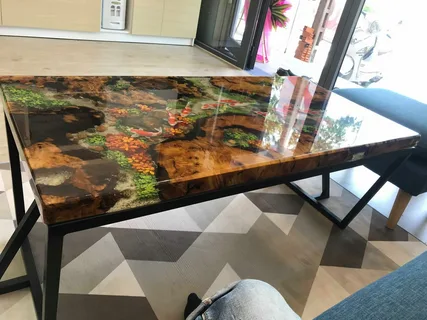
The Art of the Interior: Why an Epoxy Resin Dining Table is the Perfect Home Investment
In the world of interior design, few pieces of furniture bridge the gap between functional utility and high art quite like an epoxy resin dining table. Often referred to as “river tables,” these stunning creations have taken the world by storm, offering homeowners a way to bring the raw beauty of nature into their dining rooms with a modern, sophisticated twist.
An Epoxy Resin Dining Table is more than just a place to share a meal; it is a conversation starter. By combining the organic textures of live-edge wood with the glass-like, customizable finish of synthetic resin, craftsmen can create furniture that looks like flowing water, molten metal, or even a starry night sky. In this guide, we will explore why these tables have become a staple of luxury homes and what you need to know before bringing one into your own space.
The Unique Aesthetic of an Epoxy Resin Dining Table
The primary draw of an epoxy resin dining table is its absolute uniqueness. Because no two pieces of wood are identical, no two resin tables can ever be exactly the same. The process involves taking two slabs of live-edge timber—often with natural “defects” like knots, cracks, or burls—and filling the void between them with liquid resin.
Customization and Color Options
One of the most exciting aspects of designing an epoxy resin dining table is the ability to customize the “river” color. You can choose from:
-
Transparent Finishes: Ideal for a minimalist, modern look that highlights the inner grain of the wood.
-
Metallic Pigments: These create swirling, pearlescent effects that mimic the movement of water or clouds.
-
Solid Opaque Colors: Bold blacks, deep blues, or even vibrant teals can match specific room palettes.
-
Embedded Elements: Some artisans embed river stones, shells, or even gold leaf within the resin for added depth.
Selecting the Right Wood for Your Epoxy Resin Dining Table
The wood is the soul of the table. To ensure your epoxy resin dining table lasts for decades, you must choose a species that is both durable and visually striking. Hardwoods are the preferred choice because they offer the structural integrity needed to support the weight of the resin.
Popular Wood Species
-
Black Walnut: Famous for its dark, chocolatey tones and intricate grain patterns, it provides a stunning contrast to clear or blue resin.
-
Olive Wood: Known for its wild, swirling grain and historical significance, it is perfect for smaller, more artistic dining surfaces.
-
Maple: A lighter wood that takes stains well and looks incredible when paired with dark or vibrant resin colors.
-
Oak: A classic choice that offers timeless durability and a traditional feel.
The Durability and Longevity of an Epoxy Resin Dining Table
A common question among buyers is whether an epoxy resin dining table can stand up to daily use. The answer is a resounding yes, provided the table is crafted using high-quality materials. Modern deep-pour resins are engineered to be incredibly tough, UV-resistant, and heat-resistant.
Scratch and Heat Resistance
High-quality epoxy is comparable to hardwood in terms of hardness. While you should always use coasters and trivets (as you would with any fine wood furniture), an epoxy resin dining table is designed to withstand the rigors of family dinners. If light scratches do occur over several years, the resin can often be buffed and polished back to its original luster, making it a “forever” piece of furniture.
Maintenance Tips for Your Epoxy Resin Dining Table
Caring for your table is surprisingly simple. To maintain the crystal-clear clarity of the resin and the rich glow of the wood, follow these basic steps:
Daily Cleaning Routine
Use a soft microfiber cloth and a gentle, pH-neutral soap solution. Avoid abrasive chemicals or scouring pads, as these can dull the polished surface of the resin over time.
Avoiding UV Damage
While many modern resins contain UV stabilizers, it is always best to keep your epoxy resin dining table out of direct, constant sunlight. Prolonged exposure to intense UV rays can cause some resins to “amber” or yellow slightly over many years.
The Craftsmanship Behind a High-Quality Epoxy Resin Dining Table
The price tag of a professional epoxy resin dining table reflects the labor-intensive process required to build it. It isn’t as simple as pouring plastic over wood. It requires:
-
Kiln Drying: The wood must be dried to a specific moisture content (usually 6-8%) to prevent warping.
-
Flattening: Using industrial planers to ensure the wood slabs are perfectly level.
-
The Pour: Managing temperatures and air bubbles during the 72-hour curing process.
-
Sanding and Polishing: Progressing through dozens of sandpaper grits to achieve a mirror finish.
Explore our handcrafted gallery to find the perfect Custom Epoxy Resin Dining Table for your home.
Conclusion
Investing in an epoxy resin dining table is a way to marry the ancient beauty of the forest with the limitless possibilities of modern design. These tables are not just furniture; they are functional heirlooms that bring a sense of wonder and natural elegance to the heart of your home. An epoxy resin dining table from Resyn Labs uses the raw elements of the earth to create a space of harmony and connection. Your dining table serves as the foundational altar of the home—the place where nourishing meals are shared and deep conversations take root. By choosing a Resyn Labs piece that honors the natural grain of the wood and the fluid beauty of resin, you are creating a centerpiece that grounds your living space in organic elegance. When you sit down at a table that reflects the beauty of the natural world, every meal becomes an opportunity for mindfulness and gratitude.