
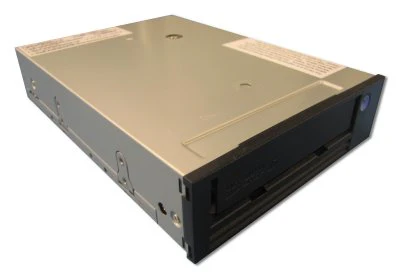
Tape Drive in Modern IT Hardware and Data Storage
In the ever-evolving landscape of IT Hardware, one technology has stood the test of time, adapting to new demands while offering outstanding reliability and efficiency in data management: the Tape Drive. Despite the rapid growth of cloud-based solutions, SSDs, and high-speed hard disk drives, the Tape Drive remains an essential component of Computer Hardware in data centers, research facilities, financial institutions, healthcare organizations, and large enterprises. Its enduring relevance is a testament to its unique capabilities for long-term storage, cost efficiency, and secure data archiving.
A Tape Drive is a data storage device that reads and writes data on a magnetic tape. This method of storage has been used for decades and continues to evolve through innovations such as Linear Tape-Open (LTO) technology. While many organizations prioritize speed in daily operations, the true value of Tape Drive technology lies in its unmatched capacity for storing massive volumes of data over extended periods at a relatively low cost. In the modern age of digital transformation, this makes tape storage more relevant than ever.
Understanding the Basics of Tape Drive Technology
A Tape Drive works by magnetically encoding data onto a long, thin strip of tape housed inside a cartridge. This cartridge is then inserted into the drive, where a read/write head moves along the tape to store or retrieve information. Unlike random-access devices such as SSDs or HDDs, a Tape Drive uses sequential access, meaning data is read in a linear fashion from start to finish. While this might appear slower, it also allows for higher data integrity and greater storage density.
In the context of Computer Hardware, Tape Drive solutions are particularly useful for tasks that do not require constant data access, such as archival storage, backups, and disaster recovery planning. Since most archived data is rarely accessed, the slower access time does not affect daily operations. Instead, the emphasis is on durability, security, and storage longevity.
In modern IT Hardware environments, Tape Drive systems often operate as part of larger tape libraries that can hold hundreds or even thousands of cartridges. These automated systems significantly reduce manual handling, streamline data backup workflows, and enhance operational efficiency across the enterprise.
The Evolution of Tape Drive in IT Hardware
The journey of the Tape Drive began in the early days of computing when data was stored using reel-to-reel magnetic tapes. These early Tape Drive systems were large, slow, and required regular maintenance. However, as technology progressed, tapes became more compact, reliable, and easier to manage. This evolution gave rise to modern tape cartridges that can store terabytes of compressed data in a single unit.
Advancements in Computer Hardware and recording techniques have significantly expanded the capabilities of Tape Drive technology. Today’s LTO (Linear Tape-Open) standards offer enormous storage capacities, fast data transfer speeds, and built-in encryption for enhanced security. As of the latest generations, users can store up to multiple terabytes per cartridge, making the Tape Drive an effective enterprise-level solution for large-scale data retention.
Despite assumptions that tape is an outdated technology, it has quietly matured into one of the most advanced and reliable storage formats in the world of IT Hardware. Major tech corporations, national data centers, and research organizations continue to invest in advanced Tape Drive systems because of their reliability, low power consumption, and unmatched lifespan.
Why Tape Drive Still Matters in Modern IT Infrastructure
In the modern world, data is growing at an exponential rate. Organizations collect, analyze, and store vast volumes of information every single day. This includes customer records, business analytics, medical data, financial transactions, and digital media. Managing this data effectively requires a combination of speed, scalability, and cost efficiency.
This is where the Tape Drive steps in as a powerful solution within Computer Hardware ecosystems. Tape Drive storage offers a unique blend of high capacity and low operating cost. Unlike SSDs and HDDs that need constant power and cooling, tape cartridges can be stored offline with zero power consumption. This dramatically reduces energy costs and environmental impact, making Tape Drive solutions both economical and eco-friendly.
Another key factor contributing to the continued relevance of the Tape Drive is its remarkable durability. While some modern storage technologies can degrade over time, high-quality tape cartridges can last up to 30 years or more under proper conditions. This makes them ideal for regulatory compliance, historical record-keeping, and long-term data preservation.
For organizations that must maintain data integrity over decades, the Tape Drive is not simply an option; it is a necessity in their IT Hardware strategy.
Tape Drive vs Other Storage Technologies
When comparing a Tape Drive to other Computer Hardware storage devices, several clear advantages and distinctions emerge. Hard disk drives (HDDs) and solid-state drives (SSDs) are designed for frequent access and high-speed performance. They power day-to-day operations, applications, and real-time computing tasks. However, they also involve higher costs per gigabyte and continuous power consumption.
On the other hand, the Tape Drive is built for long-term, large-scale storage at a fraction of the cost. It is not intended to replace HDDs or SSDs, but rather to complement them. This layered storage approach is known as a tiered storage strategy, where fast-access data is stored on SSDs or HDDs and infrequently accessed data is archived on tape.
In large IT Hardware deployments, this approach results in optimal performance and reduced infrastructure costs. Companies can allocate expensive, high-speed storage for active data while safely and affordably storing historical information on Tape Drive systems.
In addition, Tape Drives offer exceptional protection against cyber threats. Since tapes can be kept offline, they are immune to ransomware attacks and hacking attempts that target network-connected storage systems. This makes them a vital line of defense in enterprise data security planning.
The Role of Tape Drive in Data Backup and Recovery
One of the most important uses of the Tape Drive in IT Hardware is data backup and disaster recovery. Businesses rely on consistent, reliable backups to protect themselves from data loss due to system errors, cyber attacks, natural disasters, or human mistakes.
Tape Drive systems are widely known for their reliability in backup operations. Large organizations often perform daily, weekly, and monthly backups that are stored on multiple tapes and rotated according to a strict retention schedule. These backup tapes can be stored offsite, providing an additional layer of protection in case of a catastrophic event at the main facility.
In the world of Computer Hardware, no backup strategy is complete without a dependable Tape Drive solution. Even cloud providers themselves often use tape storage behind the scenes to archive customer data. This further proves that although not visible to everyday users, tape technology remains a cornerstone of global data protection.
The stability of tape media also ensures that data remains intact and readable even after many years. This is particularly important for industries such as healthcare, legal services, and government sectors, where records must be preserved for compliance and historical purposes.
Industries That Depend on Tape Drive Technology
Many industries rely heavily on Tape Drive as part of their IT Hardware infrastructure. The financial sector, for instance, is required to maintain transaction records for extended periods. Banking institutions generate massive amounts of data every day, and storing this information on expensive real-time systems is neither practical nor cost-effective. Tape Drive solutions provide the perfect long-term storage option.
In the medical field, patient records, imaging scans, and diagnostic data must be archived securely for decades. Tape Drive storage not only meets regulatory requirements but also ensures data integrity and confidentiality. With encryption capabilities, Tape Drive systems help protect sensitive medical information from unauthorized access.
Scientific research centers, universities, and space agencies also depend on Computer Hardware that can support large-scale data archiving. Scientific experiments often generate enormous data sets that may not be needed immediately but must be preserved for future analysis. Tape Drive technology offers them a reliable and sustainable method to store this critical information over long periods.
Media and entertainment companies are another major user of Tape Drives. Films, television shows, and audio tracks represent valuable intellectual property that must be stored in high quality for long-term use. Tape Drives allow studios to archive their content securely while freeing up faster storage systems for ongoing production.
The Future of Tape Drive in Computer Hardware
Despite speculation about its decline, the Tape Drive is actually moving toward a promising future. Innovations in material science, nanotechnology, and artificial intelligence are helping improve tape density, performance, and reliability even further. Scientists continue to break records in data storage capacity, demonstrating that Tape Drive technology still has plenty of growth potential.
In the wider world of IT Hardware, tape is becoming a key player in sustainable computing. With rising concerns about the environmental impact of data centers, there is increasing interest in low-power, high-capacity storage options. Tape Drives require significantly less power and cooling compared to traditional storage arrays, making them an environmentally responsible choice.
Hyperscale data centers operated by global technology leaders are already expanding their use of tape. This strategic shift underscores how vital Tape Drive systems remain in managing the rapidly expanding universe of digital information.
From a business perspective, investing in Tape Drive solutions offers long-term value. While initial setup may require planning, the return on investment comes through low operating costs, minimal maintenance, and exceptional longevity.
Choosing the Right Tape Drive Solution
Selecting a Tape Drive depends on several factors such as data volume, backup frequency, security requirements, and available infrastructure. There are standalone tape drives for small businesses and personal use, as well as large tape library systems for enterprise environments.
Organizations incorporating IT Hardware upgrades must consider compatibility, scalability, and future data growth when choosing a Tape Drive model. It is vital to integrate the Tape Drive with backup software that can automate data transfer, schedule backups, and maintain catalogs for quick retrieval.
Proper storage conditions also play a role in maximizing the lifespan of tapes. Maintaining an optimal temperature, low humidity, and dust-free environment ensures that the data stored on tape remains accessible for many years to come.
Engaging with experienced Computer Hardware and storage solution providers can help organizations choose the ideal Tape Drive system for their specific needs. A well-designed tape strategy provides peace of mind, knowing that valuable data is protected and preserved.
The Strategic Importance of Tape Drive in IT Hardware
In a world driven by innovation and speed, it is easy to overlook technology that works quietly in the background. However, the Tape Drive has earned its place as one of the most dependable components of modern IT Hardware. It delivers secure, scalable, and cost-efficient storage solutions for organizations of all sizes.
As digital data continues to grow in volume and importance, the need for reliable long-term storage will only become more critical. The Tape Drive answers this need with unmatched efficiency, robust security, and proven longevity.
Within the broad category of Computer Hardware, Tape Drive technology stands as a symbol of smart engineering that combines tradition with innovation. It is not merely a legacy system but a forward-looking solution ready to meet future challenges.
Whether used for enterprise backups, archival storage, regulatory compliance, or disaster recovery planning, the Tape Drive remains an essential tool in the modern digital world. Organizations that recognize and utilize its strengths will continue to benefit from one of the most resilient and trusted storage technologies ever created.
Conclusion:
In conclusion, the Tape Drive is far more than a relic of the past. It is a vital element in contemporary IT Hardware systems and a critical piece of reliable Computer Hardware infrastructure. While it operates quietly behind the scenes, its impact on data security, business continuity, and long-term preservation is profound.
By providing affordable, scalable, and durable storage, Tape Drive technology supports the ever-growing need to capture and safeguard information. In an age when data is one of the most valuable resources, solutions that protect it effectively are not optional—they are essential.
The Tape Drive continues to evolve, proving that sometimes the most powerful innovations are those that remain consistent, dependable, and adaptable. As organizations look ahead to the future of data management, one thing is certain: tape storage will continue to play a significant and irreplaceable role for many years to come.