
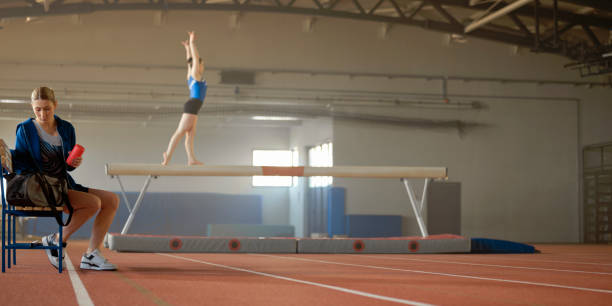
Mastering the Gymnastics Beam: A Complete Guide for Confidence, Skill, and Smart Buying
The balance beam has long been one of the most iconic and mesmerizing events in gymnastics. Its elegance, precision, and risk demand a level of mental focus and physical control unlike any other apparatus. Whether you’re a parent researching training equipment, a beginner gymnast hoping to improve, or a coach looking to guide young athletes, understanding the fundamentals of the Gymnastics Beam—its purpose, training methods, and equipment options—is essential.
This comprehensive guide (about 1200 words) walks you through the history, technique, challenges, and practical buying considerations for at-home beams, including how brands like AirTumble help make safe, progressive training possible.
The Evolution of the Balance Beam
The modern gymnastics beam has come a long way from its early form—literally just a polished wooden plank raised off the ground. As women’s artistic gymnastics grew in global popularity, the beam evolved into a standardized 16.4-foot apparatus coated with suede to improve grip and confidence.
Over the decades, routines have shifted from simple walks and poses to daring acrobatic combinations, flight skills, and intricate dance elements. Each generation of gymnasts continues pushing the limits, turning the beam into a stage where precision and creativity meet.
This evolution also changed how athletes train. While early gymnasts practiced mostly on competition-height beams, today’s athletes use a wide range of training sets, floor beams, and soft beams to safely build their skills step-by-step.

Why the Beam Is So Challenging
At just 4 inches wide, the beam demands complete body awareness. Even tiny misalignments can mean the difference between sticking a landing or losing balance. Here’s why the beam is often considered the most mentally demanding event:
1. Fear Factor
Unlike floor or bars, the consequence of missteps feels immediate—athletes know that falls can be painful. This creates a psychological barrier that often requires as much training as the physical skills themselves.
2. Precision in Movement
On the beam, every skill must be perfectly aligned from head to toe. Hips can’t twist, toes must stay pointed, arms must be placed exactly where intended, and landings must be silent.
3. Transition Between Dance and Acrobatics
Beam routines require seamless blending of leaps, turns, poses, handstands, walkovers, and flips. The flow of the routine is almost as important as its difficulty.
4. Balance Under Pressure
At competitions, beam scores can make or break all-around standings. Athletes must stay composed even when nervous or fatigued.
Because of these challenges, the right training equipment becomes extremely valuable. Many families and coaches use safe, low-profile training beams to help gymnasts practice without fear while developing accuracy and confidence.
Training Techniques for Beam Success
Start Low, Then Grow
The safest way to learn beam skills is by starting on the floor, using a soft foam beam or line. This allows athletes to adjust their muscle memory without the anxiety of height. Brands like AirTumble offer cushioned at-home beams that support repetitive, confidence-building practice.
Repetition and Consistency
Beam skills require hundreds—sometimes thousands—of repetitions to become automatic. That’s why at-home practice is so valuable. Even ten minutes a day working on walks, mounts, turns, or leaps makes a noticeable difference.
Strength and Flexibility Foundations
Core strength, ankle stability, hip flexibility, and strong legs are all key. These conditioning elements prevent injury and allow smoother execution of beam choreography.
Focus Drills
Beam success is often mental. Coaches use techniques such as:
-
Spot marking: choosing a point on the wall to focus on during turns
-
Visualization: mentally rehearsing the routine
-
Breathing patterns: maintaining calm during difficult sections
Skill Progressions
To safely learn a new skill, gymnasts break it into phases:
-
Mastering the entry
-
Practicing the body shape
-
Landing drills
-
Connecting the elements
-
Finally performing the full skill on the beam
Training beams at home are especially helpful for steps 1–4.
Types of Beams for At-Home Use
Not all beams are created equal. If you’re buying for a young or developing gymnast, here are the most common types:
1. Foam Floor Beams
Best for beginners and young athletes. Lightweight, safe, and perfect for learning basic walks, leaps, and turns.
2. Low Profile Beams (4–8 Inches Off the Floor)
These simulate the real beam but keep the athlete close to the ground, reducing fear while maintaining the correct width and feel.
3. Folding or Portable Beams
Ideal for home use—easy to move, store, and set up in small spaces.
4. Elevated Wooden Beams
These are closer to competition-style beams and best for advanced gymnasts who already have strong fundamentals.
Many modern beams (including some offered by AirTumble) include suede finishes, stability bases, and soft padding to help athletes train with confidence.
What to Consider When Purchasing a Home Beam
Buying a beam shouldn’t be overwhelming. Here are the most important factors:
Skill Level
-
Beginner: Foam or low beams
-
Intermediate: Low raised beams with solid bases
-
Advanced: Elevated beams with competition-like feel
Safety
Look for stable bases, slip-resistant bottoms, and soft surfaces. The beam should feel firm enough for technique but cushioned enough to prevent injury.
Durability
Quality stitching, strong internal materials, and protective outer layers ensure longevity, especially under daily use.
Portability
If your gymnast practices in multiple areas of the home, portability is a major advantage.
Budget
Home beams vary significantly in price depending on size, material, and level. The good news is that families don’t need competition-height equipment; effective training can be done on lower-cost beams designed for daily practice.
Why At-Home Beams are Worth It
Beam practice thrives on repetition, and most athletes don’t get enough beam time during regular gym hours. At-home beams:
-
Build confidence
-
Increase skill retention
-
Reduce fear
-
Improve form and consistency
-
Allow gymnasts to progress at their own pace
They also support healthy routines and encourage young athletes to stay active.
The Role of Safe Equipment Brands
As more families invest in home gymnastics setups, trusted equipment manufacturers play a crucial role. Products designed with safety and durability—like those from AirTumble—help ensure that athletes can practice regularly without unnecessary risk. Parents often appreciate this combination of function, cushioning, and stability when choosing equipment.
By choosing thoughtfully designed training tools, you’re not just buying equipment—you’re supporting your gymnast’s long-term confidence and growth, buy here.
FAQ
1. How often should gymnasts practice on a home beam?
Short sessions (10–20 minutes) several times a week are better than infrequent long sessions.
2. Is a soft beam or suede beam better for beginners?
Soft beams are ideal for new gymnasts. As confidence grows, suede beams help simulate real competition surfaces.
3. Can home beams support advanced skills like walkovers or back handsprings?
Yes—if you choose a stable, raised beam designed for impact training.
4. What age is appropriate to start beam practice?
Children as young as 3–4 can begin simple walks and balance activities with supervision.
5. Do home beams help reduce fear?
Absolutely. Low practice beams build confidence gradually before moving to full-height gym beams.