
How to Use Potting Mix Effectively for Indoor Plants: Professional Recommendations
Introduction
The indoor garden process for many starts with an initial burst of enthusiasm, a fashionable ceramic pot, and a vision of a lush, green sanctuary. But this vision fades when, after weeks, the plant starts turning yellow and droopy. The culprit usually is the foundation it is sitting in.
One of the most common mistakes made by beginners is digging up dirt from their gardens and using that as the foundation. This soil is often heavy and of poor quality. An indoor plant requires a special medium called potting mix. This mix provides the much-needed aeration, moisture, and nutrition which the plant requires.
The ‘Soil Less’ Mix
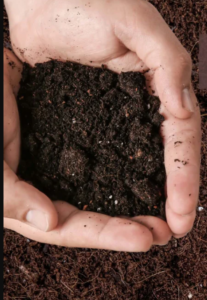
It sounds weird, but the best medium for plants contains no soil at all. Garden soil is very heavy and, when compressed into a pot, it becomes just like concrete. This suffocates and damages the delicate roots of the plants and also prevents drainage, leading to the number one killer of indoor plants: root rot.
Professionals recommend a ‘soil-less’ potting mix. These are lightweight, fluffy, and sterile, meaning they don’t bring any pests or diseases with them. They are made in such a way that they form a structure that’s porous for the roots to breathe while holding on to moisture that will keep the plant hydrated.
Main Features of a Professional Mix
To effectively use a potting mix, you have got to understand its anatomy. A standard bag of cheap soil will not cut it. Common elements to expect from a professional-grade mix are:
Structure and Moisture:
Sustainable and eco-friendly items like cocopeat work just like a sponge. Cocopeat is obtained from coconut husk. It retains water exceptionally well and also releases moisture to the roots at a slow pace when required. Thus, this reduces the frequency of water provided to the plants.
Aeration:
Roots need oxygen to survive as much as they need water. Vermiculite is a mineral that creates vital air pockets within the potting mix, preventing it from becoming dense and compacted.
Pest Defence:
Indoor environments can harbor pests such as fungus gnats. A medium with Neem acts like a bio-pesticide, protecting roots from soil-borne pathogens and pests without harsh chemicals.
Nutrition:
Since these mixes are sterile, they require a source of clean food. Slower treatment of the soil with organic fertilizers ensures that the plant is not shocked by chemicals but receives a continuance of nitrogen, phosphorus, and potassium.
Steps to Effective Application
The methods used with quality potting soil are a little different from those of dense dirt. Following these steps will ensure the best results.
Stay Well-Hydrated:
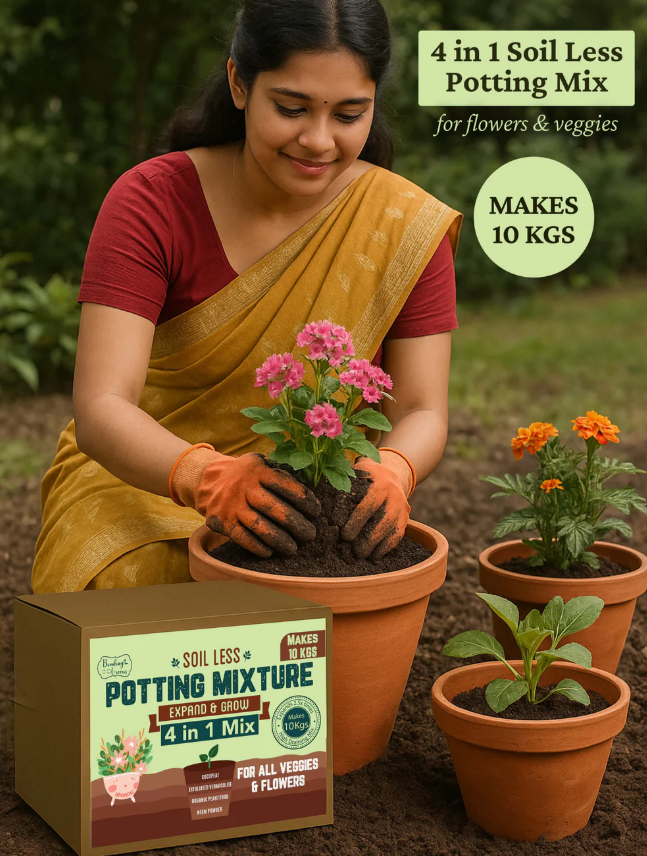
When using a compressed block mix, as with Bombay Greens, the initial step is hydration. Let the cocopeat absorb the water and swell into its full, fluffy texture before adding amendments. It should be moist, like a damp, wrung-out sponge, without dripping.
Avoid Compaction:
When potting your plant, avoid the temptation to press the mix hard with your hands. Place the loose mix around the root ball and tap the pot on a table gently to settle it. This preserves the air pockets created by the vermiculite.
Monitor Moisture Differently:
Because cocopeat is excellent at retention, the top layer of your potting mix might look dry while the center remains moist. Always test the soil with your finger (about an inch deep) before watering again. You will likely find that high-quality mixes require less frequent watering than cheap soil.
Conclusion
By upgrading from garden dirt to a specialized potting mix, you aren’t just changing the soil; you are changing the environment in which your plant lives. With the right balance of air, water, and nutrients, your indoor plants will stop merely surviving and start thriving.
We highly recommend the products from Bombay Green. The products create a perfect ecosystem for plants by combining all four essentials, like Cocopeat, Vermiculite, Neem Powder, and Organic Fertilizer in a convenient, dry format. Because it ships as a compact block that you expand with water, you are guaranteed a fresh, active medium every time, rather than a bag of soil that has been sitting damp in a warehouse for months.