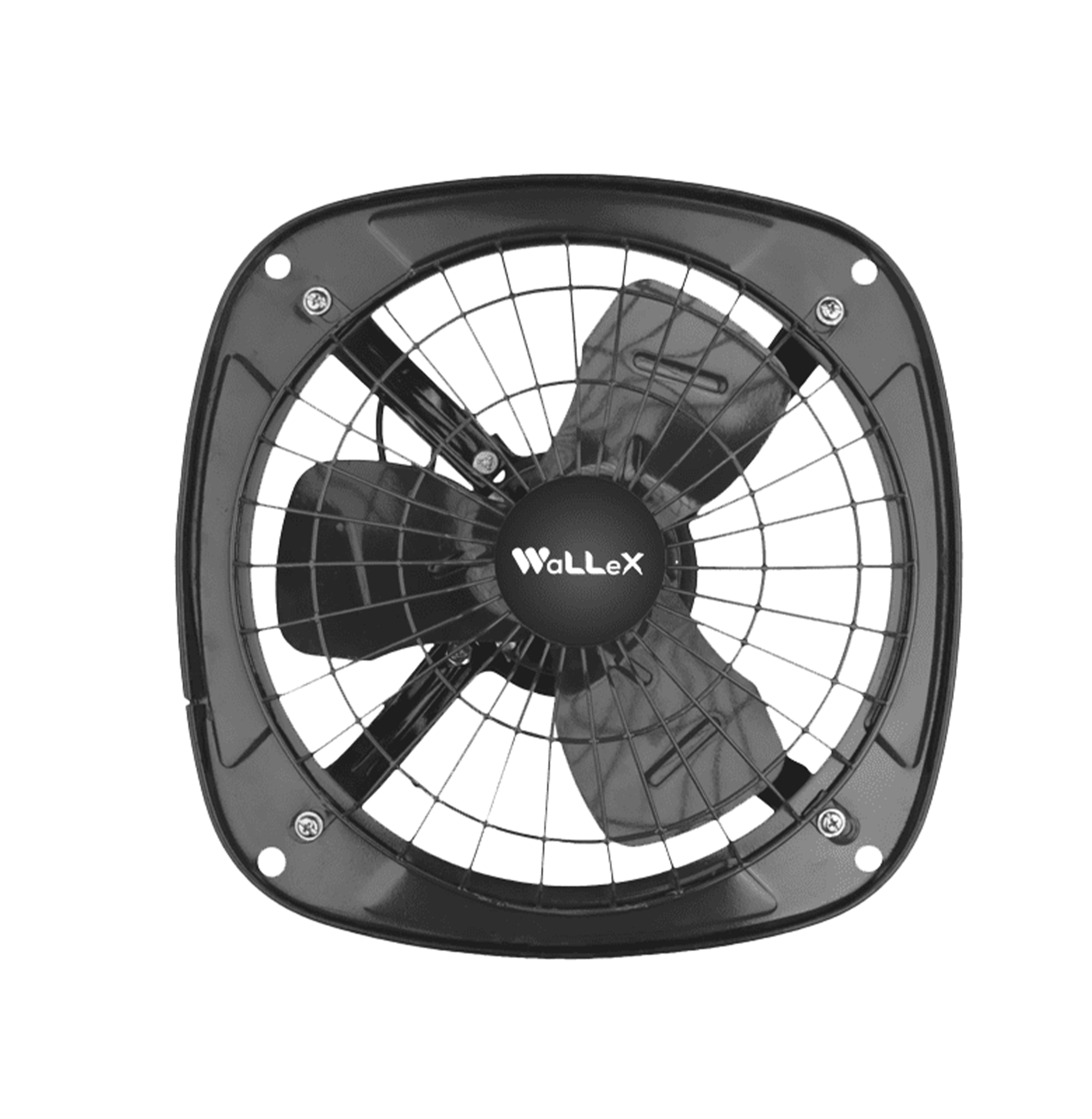
How to Clean Exhaust Fan in Kitchen: A Complete Step-by-Step Guide
A kitchen exhaust fan plays a vital role in maintaining a clean and healthy cooking environment. It removes smoke, heat, grease, odors, and airborne oil particles generated during cooking. However, because it constantly pulls in greasy air, the exhaust fan itself becomes dirty over time. Layers of grease, dust, and grime accumulate on the blades, grill, and motor housing, reducing efficiency and increasing electricity consumption. In severe cases, a heavily clogged exhaust fan can become noisy, overheat, or even pose a fire risk.
Regular cleaning of the kitchen exhaust fan is essential not only for hygiene but also for performance and durability. This guide explains how to clean exhaust fan in kitchen, using simple tools and safe methods, whether the fan is wall-mounted, window-mounted, or ceiling-installed.
Why Cleaning the Kitchen Exhaust Fan Is Important
Over time, cooking fumes deposit sticky grease on every part of the exhaust fan. This buildup creates multiple problems:
A dirty exhaust fan struggles to pull air efficiently, allowing smoke and odors to linger in the kitchen. The motor has to work harder, which increases power consumption and reduces the fan’s lifespan. Grease buildup also attracts dust and insects, making the fan unhygienic. In extreme cases, accumulated grease can become flammable, especially in high-heat cooking environments.
Cleaning the exhaust fan regularly ensures proper ventilation, reduces energy waste, improves indoor air quality, and keeps your kitchen fresh and safe.
How Often Should You Clean a Kitchen Exhaust Fan
The frequency of cleaning depends on how often and what type of cooking you do:
If you cook daily, especially frying or oily foods, the exhaust fan should be cleaned every 1–2 months. For moderate cooking, cleaning once every 3 months is usually sufficient. In kitchens where cooking is occasional, a deep clean every 4–6 months may be enough.
Light surface cleaning, such as wiping the grill, should be done weekly to prevent grease from hardening.
Tools and Materials Needed for Cleaning
Before starting, gather the following items:
-
Screwdriver (to remove the fan cover)
-
Warm water
-
Dishwashing liquid or degreasing detergent
-
Baking soda
-
White vinegar
-
Soft brush or old toothbrush
-
Microfiber cloth or sponge
-
Newspaper or old towel
-
Gloves
-
Vacuum cleaner (optional)
These common household items are effective for removing grease without damaging the fan components.
Safety Precautions Before Cleaning
Safety should always come first when cleaning electrical appliances. Turn off the exhaust fan switch and disconnect the power supply at the main switch if possible. Never clean the fan while it is connected to electricity.
Place newspaper or an old towel under the fan area to catch dripping grease and dirty water. Wear gloves to protect your hands from grease and cleaning agents. If the fan is installed at a height, use a stable stool or ladder.
Step-by-Step Guide on How to Clean Exhaust Fan in Kitchen
Step 1: Turn Off Power and Access the Fan
Ensure the fan is completely switched off. If the exhaust fan has a removable outer cover or grill, use a screwdriver to carefully remove it. Keep the screws in a safe place to avoid losing them.
For window-mounted or wall-mounted fans, the grill usually comes off easily. Ceiling-mounted exhaust fans may require more careful handling.
Step 2: Remove Loose Dust and Grease
Before washing, remove loose dust using a dry cloth or vacuum cleaner. This prevents grease from spreading further when water is applied. Focus on the blades, grill, and corners where dirt accumulates.
Step 3: Soak the Grill and Blades
Fill a basin or sink with warm water and add a few drops of dishwashing liquid along with two tablespoons of baking soda. Submerge the grill and detachable blades (if removable) in this solution.
Let them soak for 20–30 minutes. This helps soften hardened grease and makes scrubbing easier.
Step 4: Clean the Grill and Blades
After soaking, scrub the grill and blades gently using a soft brush or toothbrush. Pay special attention to the edges of the blades, where grease tends to build up.
For stubborn grease stains, sprinkle a little baking soda directly on the surface and scrub again. Baking soda acts as a mild abrasive and degreaser without scratching metal or plastic parts.
Rinse thoroughly with clean water and keep them aside to dry.
Step 5: Clean the Fan Motor and Housing
The motor should never be soaked in water. Instead, dip a cloth or sponge in warm soapy water, squeeze it well, and gently wipe the motor casing and inner surfaces.
For sticky grease, a mixture of vinegar and water works effectively. Avoid letting water drip into the motor or wiring. Use a dry cloth immediately after wiping to remove moisture.
Step 6: Clean the Fan Blades (If Fixed)
If the fan blades cannot be removed, clean them while they are attached. Use a damp cloth with mild detergent to wipe each blade carefully. Rotate the blades manually to clean all sides.
Avoid excessive pressure, as bending blades can cause imbalance and noise.
Step 7: Dry All Components Completely
Drying is an important step that should not be rushed. Use a clean, dry cloth to wipe all parts. Let the grill and blades air-dry completely before reassembling.
Moisture left inside can damage the motor or cause rust over time.
Step 8: Reassemble and Test the Fan
Once everything is dry, reattach the blades (if removed) and fix the grill back in place using the screws. Restore the power supply and turn on the exhaust fan.
Check for smooth operation, proper airflow, and unusual noises. A properly cleaned fan should run quieter and more efficiently.
How to Clean Exhaust Fan Without Removing It
If you cannot remove the fan or grill easily, basic cleaning can still be done:
Turn off the power and cover the stove area. Use a degreasing spray or a homemade vinegar solution on the grill and blades. Let it sit for a few minutes, then wipe with a damp cloth.
While this method does not replace deep cleaning, it helps control grease buildup between thorough cleanings.
Natural Cleaning Solutions for Grease Removal
Many people prefer natural, chemical-free cleaning methods:
A mixture of baking soda and warm water works well for scrubbing greasy parts. White vinegar is excellent for cutting through oil and neutralizing odors. Lemon juice can also be used for light grease and leaves a fresh smell.
These natural solutions are safe, affordable, and environmentally friendly.
Common Mistakes to Avoid While Cleaning
One common mistake is cleaning the exhaust fan while it is still connected to power. Another is soaking the motor in water, which can permanently damage the fan.
Using harsh chemicals or metal scrubbers can scratch surfaces and weaken protective coatings. Skipping the drying step may lead to rust or electrical issues.
Avoid these mistakes to ensure safe and effective cleaning.
Tips to Keep Your Kitchen Exhaust Fan Clean for Longer
Wipe the grill weekly with a damp cloth to prevent grease buildup. Turn on the exhaust fan a few minutes before cooking to improve airflow. Clean oil splatters near the fan regularly.
Using lids while cooking and reducing excessive frying can also minimize grease accumulation. These small habits significantly reduce the need for frequent deep cleaning.
Benefits of a Clean Kitchen Exhaust Fan
A clean exhaust fan improves air circulation and removes odors efficiently. It reduces strain on the motor, lowering electricity consumption and extending the appliance’s life.
It also keeps your kitchen hygienic, reduces smoke deposits on walls and cabinets, and enhances overall cooking comfort.
Conclusion
Knowing how to clean an exhaust fan in the kitchen is essential for maintaining a healthy and efficient cooking space. With regular care, simple tools, and safe cleaning methods, you can keep your exhaust fan free from grease, dust, and odors.
Rather than waiting for performance issues or unpleasant smells, make exhaust fan cleaning a routine part of your kitchen maintenance. A clean exhaust fan not only works better but also contributes to a safer, fresher, and more energy-efficient home.