
How Safe Are Homestays in South India for Travellers?
Introduction
South India has long been a favorite destination for travellers seeking cultural richness, scenic landscapes, spiritual experiences, and warm hospitality. From misty hill stations and lush coffee plantations to tranquil beaches and heritage towns, the region offers diverse travel experiences. In recent years, travellers have increasingly chosen homestays over hotels, raising an important question: how safe are homestays in South India for travellers?
Safety is a key factor when selecting accommodation, especially for families, solo travellers, women travellers, and international tourists. This detailed guide explores the safety aspects of staying at homestays in South India, covering security measures, host responsibility, local environments, and practical tips to help travellers make informed decisions.
Understanding the Concept of Homestays in South India
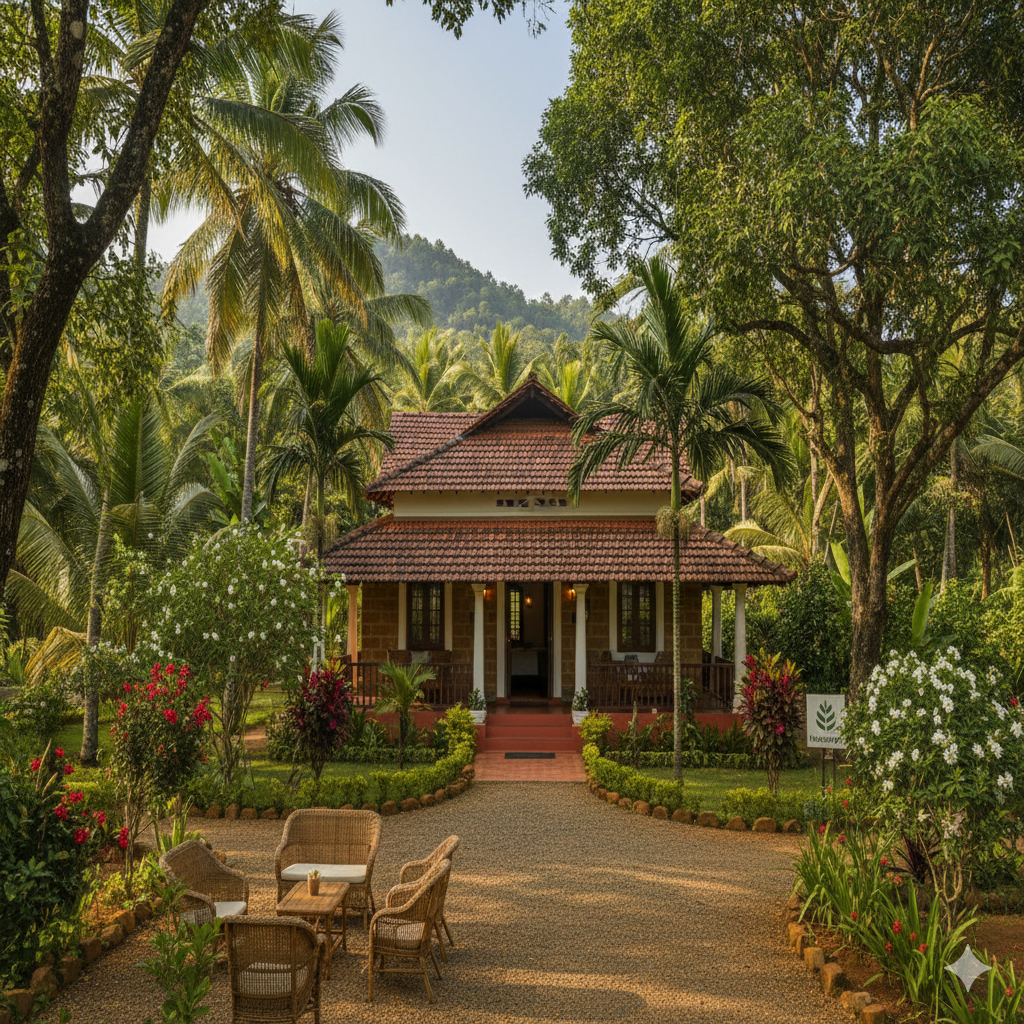
Homestays in South India are typically residential properties where hosts open their homes or independent units to guests. These stays are often located in peaceful villages, plantation regions, coastal towns, or heritage neighborhoods. Unlike hotels, homestays focus on personal interaction, cultural exchange, and a home-like atmosphere.
Most homestays are run by local families who live on the property or nearby, ensuring constant supervision and a sense of accountability. This setup plays a major role in enhancing guest safety.
Host Presence and Personal Accountability
One of the strongest safety advantages of a homestay is the presence of the host. Unlike large hotels where staff may change shifts frequently, homestay hosts are usually owners or caretakers who are deeply invested in maintaining their reputation.
Hosts often:
-
Personally welcome guests
-
Remain available throughout the stay
-
Monitor entry and exit activity
-
Offer immediate assistance in case of emergencies
This level of involvement creates a secure and reassuring environment for travellers.
Safe and Community-Oriented Locations
Most homestays in South India are located in residential or semi-rural areas rather than isolated commercial zones. These neighborhoods are often close-knit communities where locals know each other well.
Such environments contribute to safety in several ways:
-
Lower crime rates compared to busy tourist hubs
-
Community vigilance and mutual support
-
Familiarity with guests staying in the area
This community-based living environment is particularly comforting for solo travellers and families.
Security Features at Modern Homestays
Well-maintained homestays now offer security features comparable to hotels. While the scale may differ, the essentials are usually well covered.
Common safety amenities include:
-
Lockable rooms and secure doors
-
Boundary walls or gated entrances
-
CCTV cameras in common areas
-
Outdoor lighting for night visibility
Some premium properties also have security staff or on-call caretakers, further enhancing safety.
Safety for Solo and Women Travellers
South India is widely regarded as one of the safer regions in the country for women travellers. Homestays add an extra layer of comfort because of their family-run nature.
Women travellers often find homestays safer due to:
-
Presence of families rather than anonymous guests
-
Clear house rules and respectful environments
-
Hosts offering guidance on safe travel routes and timings
Many women travelling alone report feeling more secure in homestays than in large hotels with unknown crowds.
Cleanliness and Hygiene Standards
Safety is not limited to physical security; hygiene also plays a vital role. Reputed homestays maintain high cleanliness standards to protect guests’ health.
Most quality homestays ensure:
-
Regular cleaning of rooms and bathrooms
-
Fresh linens and towels
-
Clean drinking water
-
Proper food hygiene
In plantation and rural homestays, hosts are particularly mindful of cleanliness to prevent health issues related to insects or weather conditions.
Local Knowledge and Emergency Support
A major safety advantage of staying at a homestay is access to local knowledge. Hosts are well aware of the area’s geography, weather patterns, medical facilities, and emergency contacts.
They can assist with:
-
Nearest hospitals or clinics
-
Police station locations
-
Weather-related travel advice
-
Safe transportation options
This local insight can be invaluable during unexpected situations.
Verified Listings and Online Reviews
With the rise of travel platforms, most homestays are now listed online with verified reviews and ratings. These reviews play a crucial role in assessing safety.
Travellers can:
-
Read real guest experiences
-
Check host responsiveness
-
Evaluate cleanliness and security feedback
A well-reviewed homestay usually reflects consistent safety standards and responsible management.
Cultural Respect and House Rules
Homestays often have house rules that promote respectful and safe coexistence. These may include:
-
Quiet hours at night
-
Visitor policies
-
Alcohol or smoking guidelines
While some travellers initially view rules as restrictive, they actually enhance safety and comfort for everyone staying on the property.
Safety for International Travellers
International tourists often feel more secure in homestays due to the personal assistance provided by hosts. Many hosts are experienced in welcoming guests from different countries and cultures.
They commonly help with:
-
Language assistance
-
Currency guidance
-
Cultural norms and etiquette
-
Travel documentation support
This personalized support reduces confusion and potential safety risks.
Transportation and Travel Assistance
Homestay hosts frequently assist guests with transportation arrangements, which significantly improves safety. Trusted drivers, local taxi contacts, and guidance on public transport help travellers avoid scams or unsafe travel options.
Some homestays also offer:
-
Airport or railway station pickups
-
Scooter or car rentals through verified vendors
Reliable transport adds a major layer of security to the travel experience.
Emergency Preparedness in Homestays
Many homestays are well-prepared to handle emergencies. Hosts are often trained or experienced in basic first aid and know how to respond quickly.
Emergency readiness may include:
-
First-aid kits on-site
-
Emergency contact lists
-
Power backup systems
-
Knowledge of evacuation routes in hilly or coastal areas
Such preparedness is especially important in remote or nature-based locations.
Responsible Tourism and Sustainability
Homestays promote responsible tourism, which indirectly improves safety. By supporting local communities, homestays foster mutual respect between guests and residents.
Sustainable practices such as:
-
Controlled guest capacity
-
Eco-friendly construction
-
Respect for local traditions
create a balanced and secure environment for both travellers and hosts.
Choosing the Right Homestay for Maximum Safety
To ensure a safe stay, travellers should:
-
Book through trusted platforms
-
Read recent reviews carefully
-
Communicate with hosts before arrival
-
Confirm location and accessibility
Making informed choices greatly reduces risks and enhances comfort.
Conclusion
Staying at a homestay in South India is generally very safe for travellers when chosen wisely. The combination of host presence, community-based locations, personalized care, and modern safety measures creates a secure and welcoming environment. From solo travellers and families to international guests, homestays offer not just accommodation but peace of mind.
By selecting well-reviewed properties and respecting local guidelines, travellers can enjoy a safe, authentic, and enriching experience while exploring the diverse landscapes and cultures of South India.
Frequently Asked Questions (FAQs)
1. Are homestays in South India safe for solo travellers?
Yes, most homestays are family-run and located in secure communities, making them suitable for solo travellers.
2. Is it safe for women to stay at homestays?
Women travellers generally find homestays safe due to host presence and respectful environments.
3. Do homestays have security arrangements?
Many homestays provide lockable rooms, gated access, lighting, and CCTV in common areas.
4. Are homestays hygienic and clean?
Reputed homestays maintain high cleanliness standards and prioritize guest health and safety.
5. How can I choose a safe homestay?
Check verified reviews, communicate with hosts, and book through trusted platforms to ensure safety.
Read Our Previous Blog————->What amenities can I expect at the best homestays in Majorda?