
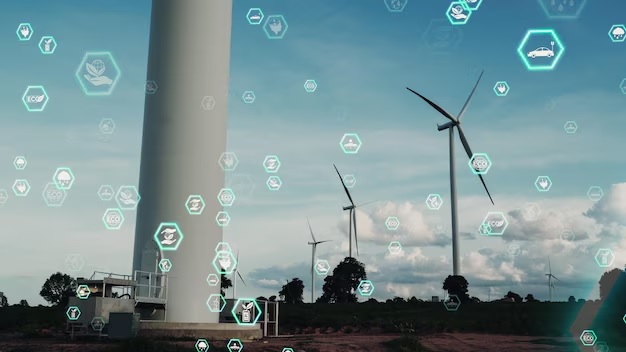
How Modern Power Systems Support the Net Zero Transition
“Net Zero” is the defining challenge of our generation. To avert the worst effects of climate change, the global economy must completely decarbonize by the middle of this century. While this goal involves every sector—from agriculture to transportation—the heavy lifting falls squarely on the shoulders of the power sector.
We are attempting something unprecedented: to electrify the entire economy (cars, heating, industry) while simultaneously cleaning up the electricity supply itself. This is not just a change in fuel sources; it is a fundamental architectural overhaul of the machine that powers our civilization.
Modern power systems are the enabling technology for this transition. Without advanced electrical engineering and design, the vision of a green future would remain just that—a vision. Here is how modern power systems are turning the Net Zero ambition into reality.
1. From One-Way to Two-Way: The Decentralized Grid
The traditional grid was a simple, one-way waterfall: power flowed from massive plants down to passive consumers. Net Zero requires a decentralized grid.
Homes with rooftop solar are now power plants. Electric vehicles are now mobile batteries that can feed the grid. Modern power systems are designed to handle these bidirectional flows. Advanced inverters and smart transformers allow the grid to balance millions of small, distributed energy resources (DERs) without becoming unstable.
2. Solving the Intermittency Puzzle
The sun doesn’t always shine, and the wind doesn’t always blow. A grid powered by renewables is inherently volatile. Modern power systems solve this through flexibility.
- Grid-Scale Storage: Engineers are integrating massive Battery Energy Storage Systems (BESS) into the grid to soak up excess solar at noon and release it at night.
- Demand Response: Instead of just turning up generation to meet demand, smart grids can turn down demand. Smart appliances and industrial machinery can communicate with the grid, pausing energy-intensive tasks for a few minutes to smooth out a spike, reducing the need for dirty “peaker” plants.
3. Digitization: The Nervous System of Net Zero
You cannot manage what you cannot see. The Net Zero grid is a digital grid.
High-speed sensors (PMUs) and AI-driven control algorithms monitor the grid’s heartbeat 60 times a second. This digital layer allows operators to push the grid closer to its physical limits to accommodate more green energy safely. It enables predictive maintenance, fixing faults before they cause outages, and ensures that every electron of renewable energy is used efficiently.
4. Electrifying the “Hard-to-Abate” Sectors
Net Zero means cleaning up heavy industry—steel, cement, chemicals. These sectors require immense amounts of heat and power. Modern high-voltage power systems are enabling this transition through Green Hydrogen.
Engineers are designing massive electrolyzer plants that use renewable electricity to split water into hydrogen. This green fuel can then power ships, trucks, and factories that batteries can’t reach. Designing the massive electrical infrastructure to power these electrolyzers is a new frontier in electrical engineering.
5. Managing the Risk of Innovation
This transition involves massive speed and new technologies, which introduces risk. Investors and insurers are wary of unproven systems.
This is where Sustainable infrastructure insurance management becomes a critical enabler. By using rigorous engineering analysis and technical due diligence, engineers quantify these new risks. They prove to insurers that a new battery chemistry is safe or that a novel microgrid controller is reliable. This engineering assurance unlocks the capital needed to build these projects.
The Role of the Modern Engineer
In this transition, the electrical engineer is a climate warrior. Every fraction of a percent of efficiency gained in a transformer, every optimization in a cable design, and every smart control algorithm written contributes directly to lowering carbon emissions.
The industry is moving from “designing for capacity” to “designing for sustainability.” The metric of success is no longer just reliability; it is carbon intensity.
Frequently Asked Questions (FAQs)
- Can the current grid handle the load if everyone buys an Electric Vehicle (EV)?
Not without upgrades. If everyone plugged in at 6 PM today, the local distribution grids would fail. However, with “Smart Charging” (charging automatically at 2 AM when demand is low) and grid reinforcement, the system can handle the transition.
- What is “Green Hydrogen”?
Green Hydrogen is hydrogen fuel produced by using renewable electricity to split water molecules. It is considered the “Swiss Army Knife” of Net Zero because it can store energy for months and power industries that are too hard to run on batteries alone.
- Why is the grid called the “backbone” of Net Zero?
Because almost every decarbonization strategy relies on electricity. We are cleaning up transportation by switching to electric cars. We are cleaning up heating by switching to electric heat pumps. If the electric grid isn’t clean and robust, none of those other strategies work.
- What is a “Virtual Power Plant” (VPP)?
A VPP is a cloud-based network that connects thousands of small distributed energy resources (like home batteries and smart thermostats). To the grid operator, this aggregated network looks and acts like a single large power plant that can be dispatched to support the grid.
- How long will this transition take?
It is a multi-decade marathon. While we are making rapid progress in renewable generation, upgrading the transmission and distribution infrastructure—the poles and wires—is a massive civil engineering task that will take 20-30 years of sustained investment.
Conclusion
The transition to Net Zero is the greatest engineering challenge of our time. It requires us to rebuild the plane while flying it. Modern power systems—smart, flexible, digital, and decentralized—are the blueprint for this safe landing. By combining advanced technology with rigorous risk management, engineers are building a power grid that is not only clean enough to save the planet but reliable enough to power our future prosperity.