
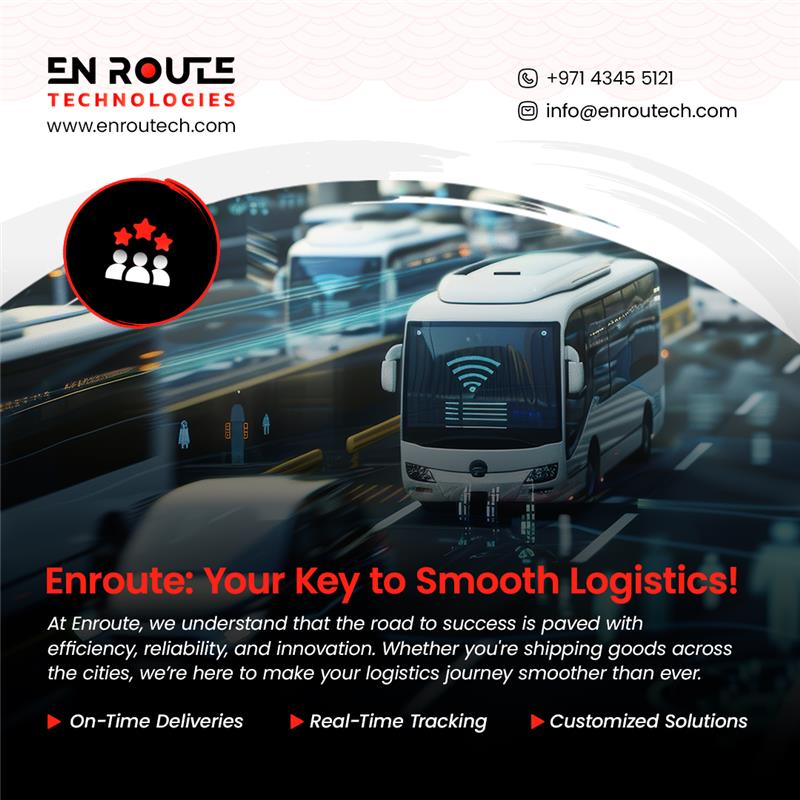
How GPS Tracking System Helps Businesses Gain Full Fleet Control
Managing a fleet is no longer just about knowing where vehicles are. Businesses today require visibility, control, cost optimization, and safety — all at the same time. This is where a modern GPS Tracking System becomes a critical tool for fleet-driven organizations.
From logistics and transportation to service-based businesses, GPS tracking enables companies to monitor vehicles in real time, analyze performance, and make smarter operational decisions. When paired with digital fleet platforms, it transforms fleet management from reactive to fully proactive.
Real-Time Visibility Across the Fleet
One of the most important benefits of GPS tracking is real-time visibility. Fleet managers can instantly see where vehicles are, how fast they’re moving, and whether they’re following assigned routes. This level of transparency reduces guesswork and improves decision-making.
With real-time tracking, businesses can:
-
Respond quickly to delays or emergencies
-
Monitor route compliance
-
Reduce unauthorized vehicle usage
When GPS data is integrated with Fleet Management Software, managers gain a centralized dashboard that connects tracking, reporting, and operational planning in one place.
Reducing Operational Costs Through Smarter Routing
Fuel is one of the biggest expenses in fleet operations. Inefficient routes, traffic congestion, and excessive idling quickly increase costs. GPS tracking helps businesses optimize routes by identifying the shortest and fastest paths.
By analyzing GPS data, companies can:
-
Eliminate unnecessary detours
-
Reduce idle time
-
Improve delivery schedules
Route optimization not only saves fuel but also extends vehicle lifespan and improves customer satisfaction through timely deliveries.
Preventing Vehicle Misuse and Improving Accountability
Unauthorized use of company vehicles can quietly drain resources. GPS tracking creates accountability by recording every trip, stop, and route deviation.
Using a dedicated Car Tracker, businesses can:
-
Monitor off-hours vehicle movement
-
Set location-based alerts
-
Ensure vehicles are used only for business purposes
This visibility encourages responsible driver behavior and helps management enforce company policies fairly and accurately.
Improving Driver Behavior and Road Safety
Driver behavior has a direct impact on fuel usage, vehicle wear, and road safety. GPS tracking systems capture valuable driving data such as speeding, harsh braking, and excessive idling.
Fleet managers can use this information to:
-
Identify risky driving patterns
-
Provide targeted driver training
-
Reward safe and efficient drivers
Improved driving behavior reduces accidents, lowers insurance costs, and protects both drivers and company assets.
Smarter Maintenance Planning with GPS Data
Unplanned vehicle breakdowns disrupt operations and increase repair costs. GPS tracking supports smarter maintenance planning by tracking mileage, engine data, and usage patterns.
When connected with Fleet maintenance systems, businesses can:
-
Schedule maintenance based on real usage
-
Prevent breakdowns before they happen
-
Extend vehicle lifespan
Predictive maintenance reduces downtime and keeps the fleet operating at peak efficiency.
Accurate Reporting and Performance Analysis
Modern GPS tracking platforms generate detailed reports on:
-
Vehicle utilization
-
Fuel consumption
-
Driver performance
-
Route efficiency
These insights allow management to identify inefficiencies and take corrective action. Instead of relying on assumptions, decisions are based on real operational data.
Data-driven management leads to better planning, lower costs, and continuous operational improvement.
Enhancing Customer Experience
Reliable service depends on accurate timing. GPS tracking enables businesses to provide realistic delivery estimates and real-time updates.
With GPS-enabled fleets, companies can:
-
Share accurate ETAs with customers
-
Monitor service completion times
-
Proactively manage delays
This transparency builds trust and strengthens long-term customer relationships.
Scalability for Growing Businesses
As businesses grow, fleet complexity increases. Cloud-based GPS tracking systems are designed to scale effortlessly, allowing companies to add vehicles, drivers, and routes without operational disruption.
Whether managing 10 vehicles or 1,000, GPS tracking ensures consistent control and visibility across the entire fleet.
Supporting Sustainable Fleet Operations
Efficient routing, reduced fuel consumption, and responsible driving contribute to environmentally friendly operations. GPS tracking helps businesses lower emissions while also cutting fuel expenses.
Sustainability is no longer just a trend — it’s a competitive advantage.
Conclusion
A modern GPS tracking solution is no longer optional for fleet-based businesses. By combining real-time visibility, smarter routing, driver accountability, and predictive maintenance, companies gain complete control over fleet operations.
When supported by fleet management platforms and maintenance planning tools, GPS tracking becomes a powerful driver of efficiency, cost savings, and long-term operational success.