
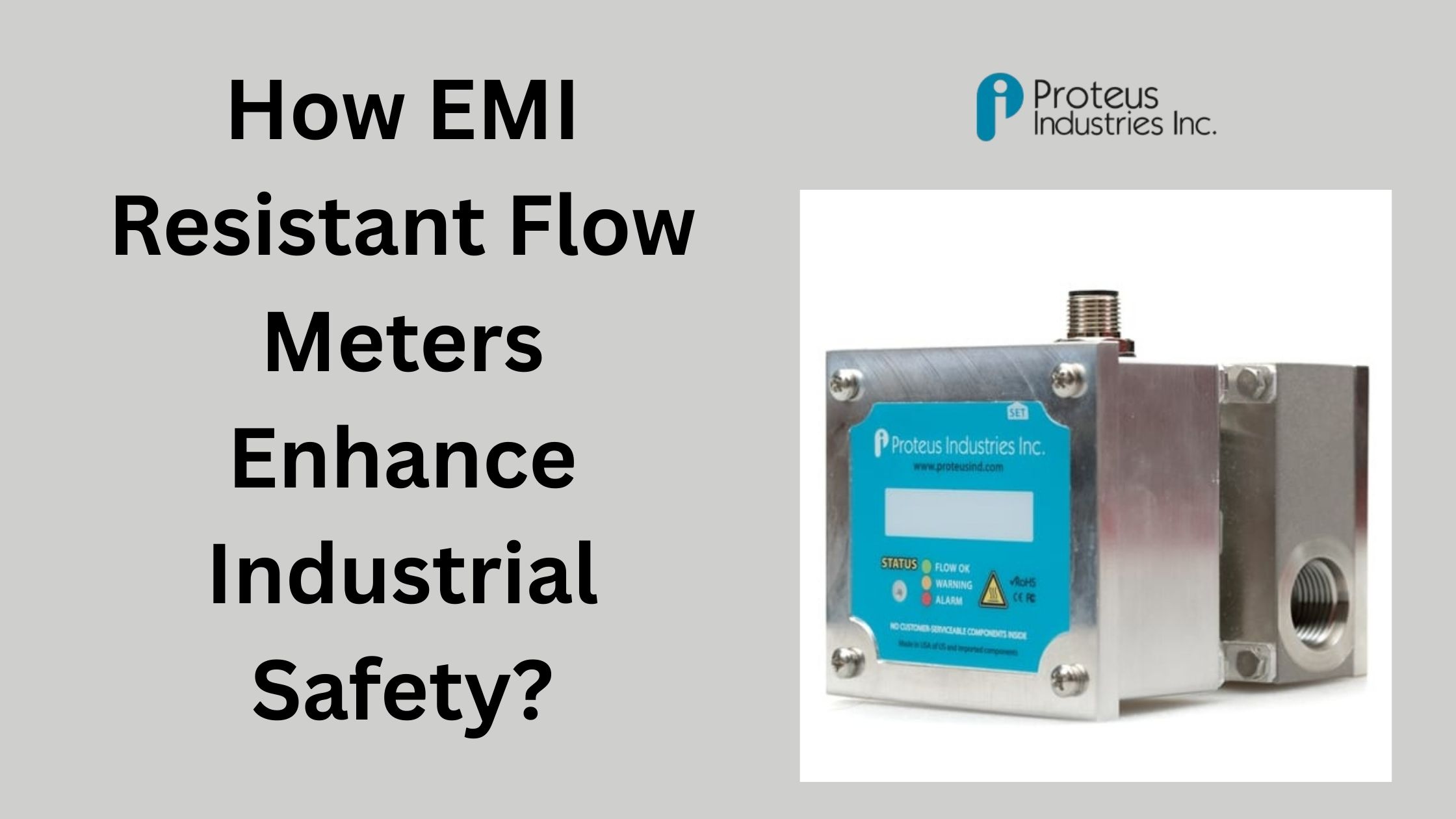
How EMI Resistant Technology Improves Process Reliability?
Process reliability is a critical factor in modern industrial operations. Industries today depend heavily on accurate data, stable automation, and continuous system performance to maintain productivity, safety, and profitability. With the growing use of automation, digital control systems, and electronic instruments, the reliability of measurement and communication has become more important than ever.
However, this technological advancement has also increased exposure to electromagnetic interference (EMI). An electromagnetic interference resistant flow meter can disrupt electronic signals, distort measurement data, and cause unpredictable system behavior. To overcome these challenges, industries are increasingly adopting EMI resistant technology.
Understanding EMI and Its Impact on Industrial Processes
Electromagnetic interference (EMI) is unwanted electrical noise that disrupts electronic signals. It is commonly generated by motors, variable frequency drives (VFDs), transformers, welding machines, power converters, and high-voltage equipment found in industrial facilities. These sources create strong electromagnetic fields that can interfere with sensitive measurement instruments.
EMI disrupts sensors, instruments, and control systems by introducing noise, signal distortion, and data instability. Flow meters, pressure sensors, and transmitters are especially vulnerable because they rely on precise electrical signals. When EMI interferes with these signals, readings may become unstable, inaccurate, or completely unreliable.
What Is EMI Resistant Technology?
EMI resistant technology refers to specialized design techniques that protect electronic devices from electromagnetic interference. Its core purpose is to ensure that measurement and communication signals remain stable, accurate, and unaffected by electrical noise.
This technology protects electronic signals using shielding, grounding, isolation, filtering, and advanced signal processing. Unlike standard systems that may struggle in noisy environments, EMI resistant systems are built to operate reliably even near high-power electrical equipment.
Role of EMI Resistant Technology in Process Stability
One of the main roles of EMI resistant technology is preventing signal distortion and electrical noise from affecting measurements. By blocking interference, it keeps signals clean and reliable.
Consistent and accurate measurements help maintain stable process conditions. Whether controlling fluid flow, temperature, or pressure, reliable data allows systems to operate smoothly and predictably.
This stability supports better process control, reduces sudden operational fluctuations, and ensures that production remains within desired specifications.
Improving Accuracy and Data Integrity
EMI resistant technology ensures reliable signal transmission between instruments and control systems. By filtering out noise and stabilizing signals, it minimizes false readings and data fluctuations.
This improves confidence in process data, allowing engineers and operators to make better decisions. When using an electromagnetic interference-resistant flow meter, industries can trust that the displayed flow values accurately reflect actual conditions, even in electrically noisy environments.
Enhancing Automation and Control System Reliability
Modern automation relies on stable communication with PLC, DCS, and SCADA systems. EMI resistant technology ensures uninterrupted and accurate data transfer between sensors and control platforms.
With clean and stable signals, control systems respond faster and more precisely. This reduces the risk of automation errors, incorrect adjustments, and delayed safety responses, ultimately improving overall system reliability.
Reducing Downtime and Operational Disruptions
EMI-related issues often cause unexplained equipment malfunctions and system errors. EMI resistant technology significantly reduces these problems.
With fewer signal-related faults, industries experience less troubleshooting and maintenance. This leads to improved system uptime, smoother operations, and higher productivity.
Increasing Equipment Lifespan
Sensitive electronic components can be damaged by continuous exposure to electrical noise and voltage spikes. EMI resistant designs protect internal electronics from such stress.
This protection reduces wear and tear, minimizes premature failures, and extends the service life of instruments and control devices. An electromagnetic interference resistant flow meter, therefore, offers long-term reliability and cost savings.
Supporting Safety and Risk Reduction
Incorrect measurements caused by EMI can trigger unsafe control actions. EMI resistant technology prevents faulty data from influencing critical decisions.
This is especially important in hazardous environments involving high temperatures, pressure, or dangerous chemicals. Stable and accurate measurement enhances safety and reduces operational risks.
Improving Energy Efficiency and Process Optimization
Accurate control of flow, pressure, and temperature helps reduce energy waste. EMI resistant technology ensures that control systems receive reliable data for efficient process optimization.
Better measurement accuracy leads to improved resource utilization, lower operating costs, and more sustainable industrial operations.
Applications of EMI Resistant Technology
EMI resistant technology is widely used in:
- Flow meters and pressure sensors
- Control panels and automation systems
- Communication networks in industrial plants
In particular, the electromagnetic interference resistant flow meter is essential in power plants, chemical processing facilities, oil and gas installations, and heavy manufacturing industries.
Future Importance of EMI Resistant Technology
With the growth of Industry 4.0 and smart manufacturing, dependence on digital data will continue to increase. Systems will become more connected, making them even more vulnerable to EMI.
This will drive greater demand for EMI resistant solutions that guarantee interference-free measurement and control.
Conclusion
EMI resistant technology plays a crucial role in improving process reliability by ensuring accurate measurements, stable automation, and safe operations. It protects systems from electrical noise, enhances data integrity, reduces downtime, and extends equipment lifespan.
Devices like the electromagnetic interference resistant flow meter demonstrate how advanced EMI protection directly contributes to accuracy, safety, and efficiency. For modern industrial operations, investing in EMI resistant technology is no longer optional; it is essential for long-term reliability and performance.