
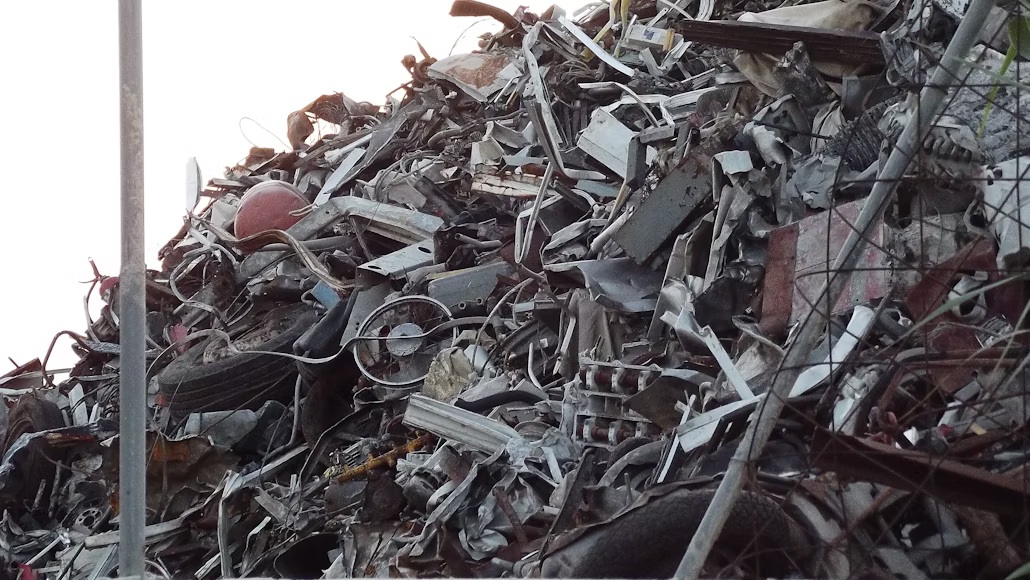
From Old Whitegoods to Wrecked Cars: The A-Z of Scrap Metal Recycling with Metal Biz
Scrap metal recycling is far more than just getting rid of rubbish; it is a complex, essential industry that underpins global manufacturing and resource sustainability. Every discarded household item, from a broken washing machine to a written-off car body, holds inherent value and the potential for new life. For Queensland residents and businesses, understanding the full scope of this process—from collection to manufacturing—demonstrates why partnering with a reliable, local expert like Metal Biz is the most responsible and profitable choice.
What is Scrap Metal Recycling and Why is it Essential?
Scrap metal recycling is the process of recovering metal materials from end-of-life products and industrial waste, then reprocessing them into new raw materials. This practice is essential for conserving our planet’s finite natural resources, significantly reducing the energy required to produce new metals, and diverting massive quantities of dense waste from landfills. Recycling steel, for example, saves approximately 56% of the energy that would be required to produce the same steel from virgin ore. The process cuts greenhouse gas emissions dramatically and protects ecosystems from the damage caused by extensive mining and smelting operations.
Ferrous vs. Non-Ferrous: Knowing Your Metals
Recycling processes and the payment you receive are determined by sorting metal into two fundamental categories. Metal Biz uses state-of-the-art equipment and advanced knowledge to accurately grade and process these materials to maximise their return.
Ferrous Metals: The Backbone of Industry
Ferrous metals contain iron, which makes them magnetic and often gives them superior strength and durability. These metals are the most commonly recycled globally due to their abundance.
| Ferrous Metal Type | Common Sources (Use Cases) | Key Feature |
| Steel (Carbon Steel) | Car bodies, refrigerators, construction beams, structural components, fencing. | Highly strong, most recycled metal globally. |
| Cast Iron | Engine blocks, heavy pipes, old bathtubs, manhole covers, industrial machinery bases. | Heavy and brittle with high carbon content. |
| Stainless Steel | Kitchen sinks, medical equipment, food processing machinery, some appliances. | Contains chromium (and sometimes nickel) to resist rust/corrosion. |
Non-Ferrous Metals: The High-Value Conductors
Non-ferrous metals do not contain iron, meaning they are non-magnetic, corrosion-resistant, and generally more valuable per kilogram than their ferrous counterparts. These materials are essential for electrical and electronic applications due to their conductivity and lightweight properties.
| Non-Ferrous Metal Type | Common Sources (Use Cases) | Key Feature |
| Copper | Electrical wiring, plumbing pipes, air conditioning units, roofing materials. | High electrical and thermal conductivity; one of the highest-value scraps. |
| Aluminium | Beverage cans, window frames, bicycle frames, car parts, roofing sheets. | Extremely lightweight and corrosion-resistant; can be recycled indefinitely. |
| Brass | Plumbing fixtures, taps, decorative items, musical instruments, keys. | An alloy of copper and zinc, known for its gold-like appearance. |
| Lead | Car batteries, radiation shielding, old pipes, wheel weights. | Heavy and dense; requires careful, regulated handling due to toxicity. |
The Full Scrap Metal Recycling Process
The path from an old, rusted machine on a Brisbane property to a usable raw material follows a strict, systematic procedure designed for efficiency and environmental compliance.
Step 1: Collection and Acceptance
The process begins when scrap material is generated from various sources. Metal Biz caters to all requirements, offering solutions for residential, commercial, and industrial customers. For large quantities, free scrap bins are provided and delivered within 48 hours to sites across Brisbane and the wider Queensland area, including Ipswich, the Gold Coast, and the Sunshine Coast. Alternatively, customers can drop off smaller loads at one of the three established Brisbane scrap yards (in Rocklea, Slacks Creek, or Geebung).
Step 2: Inspection, Weighing, and Payment
Once the material arrives, it is weighed on a certified, accurate weighbridge. Experienced staff then inspect and grade the material based on its type and purity. Purity is a key attribute, as non-metal contaminants (like rubber, plastic, or concrete) reduce the value. The material is then processed, and the customer receives an accurate, top-dollar quote. Payment options are typically provided on the spot, ensuring you receive cash quickly and efficiently for your goods.
Step 3: Sorting and Processing
This is a critical function performed using state-of-the-art recycling technologies. Magnets are used to easily separate ferrous (magnetic) scrap, while non-ferrous metals require more specialised techniques, often involving visual identification, density separation, or advanced sensors. The metals are then prepared for shipment to smelters. This preparation involves reducing the size of the material, often through:
-
Shredding: Used for light gauge scrap like whitegoods and vehicle bodies.
-
Baling/Compacting: Compressing sheet metal into dense, manageable cubes.
-
Shearing: Using heavy hydraulic shears to cut thick structural steel and cast iron into furnace-ready sizes.
Step 4: Smelting and Re-Casting
The processed, clean scrap is delivered to industrial furnaces. The smelting function involves melting the metal at extremely high temperatures. The resulting molten metal is purified further to remove any remaining impurities, ensuring the resulting product meets quality standards. The purified metal is then poured into moulds to create new semi-finished products, such as ingots, billets, or sheets, which are supplied back to manufacturers both locally and internationally.
visit: https://www.metalbiz.com.au/scrap-metal/
Target Audience and Use Cases
The scrap metal recycling service offered by Metal Biz has high situational relevance for several key target audiences across Queensland.
| Target Audience | Common Scrap Sources (Use Cases) | Functions & Benefits |
| Homeowners & Individuals | Old appliances (fridges, washing machines), broken outdoor equipment, old fencing, water heaters. | Garage decluttering, instant cash for unused items, free car body removal. |
| Auto Workshops & Panel Beaters | Wrecked vehicles, end-of-life cars, damaged engine parts, catalytic converters, auto batteries. | Consistent disposal channel for liability-free wreck removal, reliable cash flow from materials. |
| Construction & Demolition Firms | Structural steel beams, piping, copper wire offcuts, roofing material, machinery wreckage. | Large-scale, regular scrap bin supply, certified destruction, and site clean-outs. |
| Industrial & Manufacturing | Machining swarf, offcuts from production lines, damaged machinery, factory clean-outs. | Customised bin collection schedules (weekly, monthly), clear metal grading for maximum return. |
The Advantage of Recycling End-of-Life Vehicles (ELVs)
Wrecked cars and other ELVs (trucks, buses, utes) represent one of the single largest sources of recyclable metal scrap. An average car contains approximately 65% steel and iron, making vehicle recycling incredibly important for resource conservation.
When you sell an ELV to a licensed auto wrecker like Metal Biz, the process extends far beyond crushing the car body. They first conduct a detailed dismantling process. This ensures hazardous materials, such as battery acid, oils, coolants, and mercury switches, are safely removed and disposed of or neutralised. Next, reusable parts (engines, tyres, accessories) are salvaged. Finally, the metal body is processed into high-quality scrap for re-entry into the manufacturing stream. Choosing this method over simply dumping a car provides a clear environmental benefit and earns the owner instant, significant cash.
The Eco-Friendly Impact: Specific Facts and Figures
Recycling scrap metal has quantifiable pros that directly benefit the environment and economy.
-
Energy Conservation: Recycling aluminium saves 92% of the energy needed to produce new aluminium from bauxite ore. Recycling copper saves 90% of the energy.
-
Resource Preservation: For every tonne of steel scrap recycled, 1,150 kilograms of iron ore, 650 kilograms of coal, and 40 kilograms of limestone are conserved.
-
Reduced Landfill Volume: Metal is heavy and takes up significant space. The industrial-scale recycling of construction and auto wreck scrap massively reduces the pressure on Queensland’s landfill facilities.
-
Lower Emissions: Producing recycled steel generates 75% less CO2 emissions compared to using raw materials.
visit: https://www.metalbiz.com.au/scrap-metal/rocklea/
Choosing the Right Partner in Queensland
Selecting a reputable and licensed scrap metal dealer is crucial to ensure you receive a fair price and that the recycling is conducted to the highest Australian environmental standards. Metal Biz Recyclers has been a leading resource recovery specialist in Queensland since 2007. They operate with a strong focus on safety, compliance, and operational excellence, holding all necessary licences and authorisations for both ferrous and non-ferrous material handling.
By providing convenient solutions—from free bin hire for large commercial projects to efficient, same-day cash for car removal—they make the complex process of scrap metal disposal simple, profitable, and ecologically sound for every customer. Turn your forgotten clutter into environmental good and instant cash by engaging with a certified local expert today.