
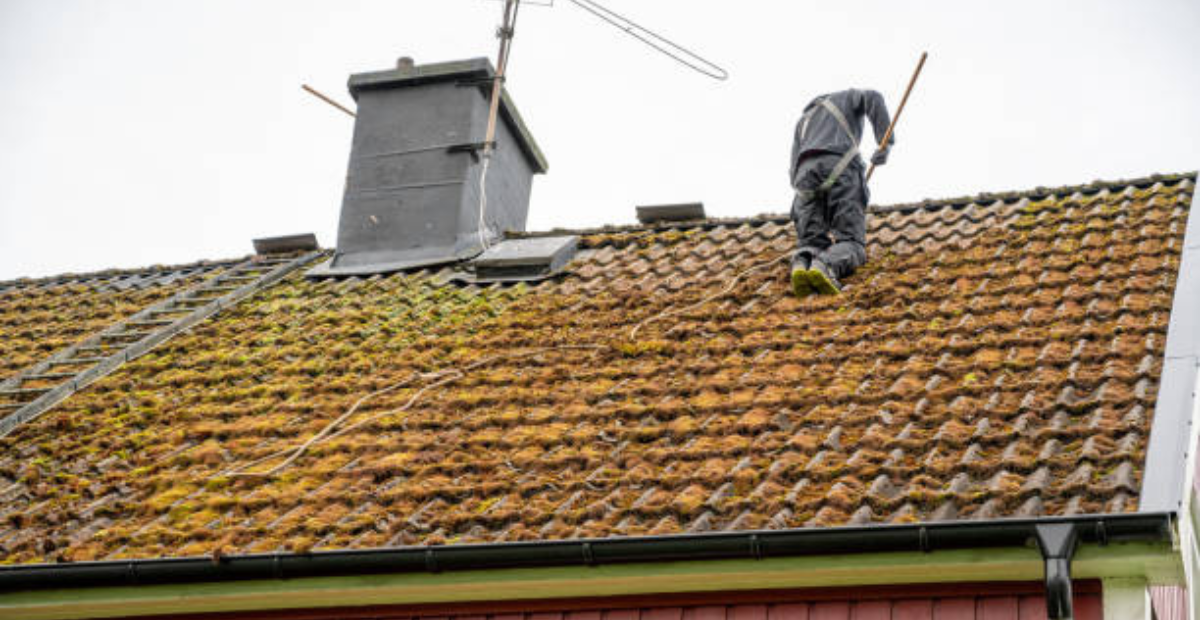
Complete Guide to Understanding and Managing Moss on Roof
If you have noticed green patches or small plants growing on your roof, it could be moss on roof. Moss grows naturally in damp, shaded areas and can create problems if left untreated. While it might seem harmless at first, it can damage your shingles, create leaks, and shorten the life of your roof.
In this guide, we will explain what moss is, why it grows on roofs, its potential risks, and how you can prevent and remove it effectively. This information is written in simple English, so any homeowner can understand it clearly.
What Is Moss on Roof?
Moss is a small, non-vascular plant that grows in areas with moisture and little sunlight. Unlike grass, moss does not have deep roots. On a roof, it attaches to the surface of shingles or tiles and absorbs water and nutrients from the environment.
Moss prefers roofs that are shaded by trees, in areas that receive frequent rain, or where debris accumulates. While moss may look harmless, over time it can cause serious damage to roofing materials.
Why Moss on Roof Can Be Harmful
Even a small patch of moss can create problems if ignored. Here are some of the main issues caused by moss growth on roofs:
- Shingle Damage – Moss holds moisture, which can slowly deteriorate asphalt shingles and lead to rot.
- Blocked Gutters – Moss can fall into gutters and cause clogs, leading to water overflow and potential damage to walls and foundation.
- Leaks – As moss lifts shingles, it creates gaps that allow water to enter, increasing the risk of leaks.
- Roof Longevity – Continuous moisture exposure from moss can reduce the lifespan of the roof.
- Appearance – Moss makes the roof look old and neglected, affecting curb appeal.
Because of these risks, it’s important to address moss on roof as soon as you notice it.
Common Causes of Moss Growth on Roof
Moss grows in certain conditions more than others. Here are the most common causes:
- Shade from Trees – Reduced sunlight makes it easier for moss to grow.
- Moisture Retention – Roof areas that trap water, such as flat sections or valleys, encourage moss growth.
- Debris Accumulation – Leaves, branches, and dirt retain moisture and create a perfect environment for moss.
- Poor Ventilation – Roofs with inadequate airflow stay damp longer, which promotes moss growth.
Understanding these causes helps in preventing moss before it becomes a serious problem.
Preventing Moss on Roof
Preventive measures are often better than dealing with large moss patches. Here are some simple steps to prevent moss growth:
- Trim Nearby Trees – Allow sunlight to reach the roof and reduce shade.
- Clean Roof Regularly – Remove leaves, branches, and other debris to prevent moisture buildup.
- Check Drainage – Make sure gutters and downspouts are clear and water flows away from the roof.
- Install Metal Strips – Zinc or copper strips along the roof ridge can help prevent moss. When it rains, metal ions wash down the roof and inhibit moss growth.
- Regular Inspections – Check your roof twice a year to catch moss early.
How to Remove Moss from Roof Safely
If your roof already has moss, it’s important to remove it carefully to avoid damaging shingles. Here are some effective methods:
1. Manual Removal
Use a soft-bristled brush or broom to gently remove moss. Avoid pressure washing, as high-pressure water can lift and damage shingles.
2. Moss-Killing Solutions
There are commercial solutions available specifically for roof moss. Many contain zinc or potassium salts. Apply according to the instructions and rinse thoroughly.
3. Water and Bleach Mixture
A mixture of water and bleach can help remove moss. Spray lightly on moss patches, let it sit for a few minutes, and rinse with water. Be careful to avoid contact with plants around your house.
4. Professional Help
For steep or large roofs, hiring a professional is safer. Professionals use proper tools and treatments that remove moss without harming the roof.
After removal, applying preventive treatments can help keep moss from returning.
Tips for Safe Moss Removal
Working on a roof can be dangerous. Follow these tips to stay safe:
- Use a sturdy ladder and place it on firm ground.
- Wear non-slip shoes to avoid slipping.
- Avoid walking on wet or steep areas of the roof.
- Work with a partner if possible.
- Follow safety instructions when using chemicals.
Safety is just as important as removing moss effectively.
Natural Ways to Prevent Moss
In addition to professional treatments, some natural methods help keep moss at bay:
- Baking Soda – Sprinkle on moss to change the pH and slow growth.
- Vinegar – A diluted vinegar solution can kill small moss patches.
- Sunlight Exposure – Trim trees and branches so more sunlight reaches the roof.
Natural methods are safe for the environment and reduce the need for harsh chemicals.
Here is the second natural mention of the keyword: moss on roof.
Signs You Have a Moss Problem
It’s important to recognize early signs of moss growth:
- Green patches along shingles or tiles
- Roof feels damp after rain
- Moss falling into gutters
- Shingles lifting or curling
- Dark streaks appearing on roof surfaces
Early detection allows you to take action before damage becomes severe.
Benefits of Removing Moss on Roof
Removing moss is not just about appearance. There are several practical benefits:
- Prevents Leaks – Keeps water from seeping into your home.
- Extends Roof Life – Protects shingles and tiles from moisture damage.
- Improves Home Value – A clean roof increases curb appeal.
- Reduces Repair Costs – Regular maintenance prevents expensive replacements.
By removing moss, your roof remains strong, functional, and visually appealing.
Maintenance Tips to Keep Your Roof Moss-Free
- Inspect Regularly – Check for small moss patches and remove them immediately.
- Clean Gutters – Ensure water drains properly.
- Trim Trees – Allow sunlight and airflow.
- Apply Preventive Treatments – Zinc, copper, or moss-preventing sprays work well.
- Call Professionals – If needed, hire a roofing expert to handle moss safely.
Here is the third mention of the keyword: moss on roof.
When to Call a Professional
While small moss patches can be removed by homeowners, consider professionals when:
- Moss covers a large area
- Roof is steep or slippery
- You are unsure about safety measures
- You want long-term prevention
Professional services ensure the moss is removed safely and treated so it does not return.
Conclusion
Dealing with moss on roof is an essential part of home maintenance. Moss can damage shingles, cause leaks, and reduce the life of your roof. Regular inspections, preventive steps, safe removal techniques, and professional help when needed can keep your roof in great condition.
By staying proactive, you can protect your home, maintain its appearance, and avoid costly repairs. A moss-free roof not only looks better but also ensures your home stays safe and durable for years to come.