
Closed-Cell vs. Open-Cell Spray Foam: Which Is Better for Your Project?
Spray foam insulation remains a popular choice for residential and commercial buildings. It helps control temperature, reduces air leakage, and improves comfort. Many property owners struggle to choose between open-cell and closed-cell options. Each type works differently and suits different conditions. Cost, moisture levels, space limits, and climate all influence the final decision. Choosing the right material early prevents performance issues later.
This comparison explains how both types work and where each fits best. It also highlights how closed-cell spray foam suppliers support projects that demand strength, durability, and long-term insulation performance.
Understanding Spray Foam Insulation Types
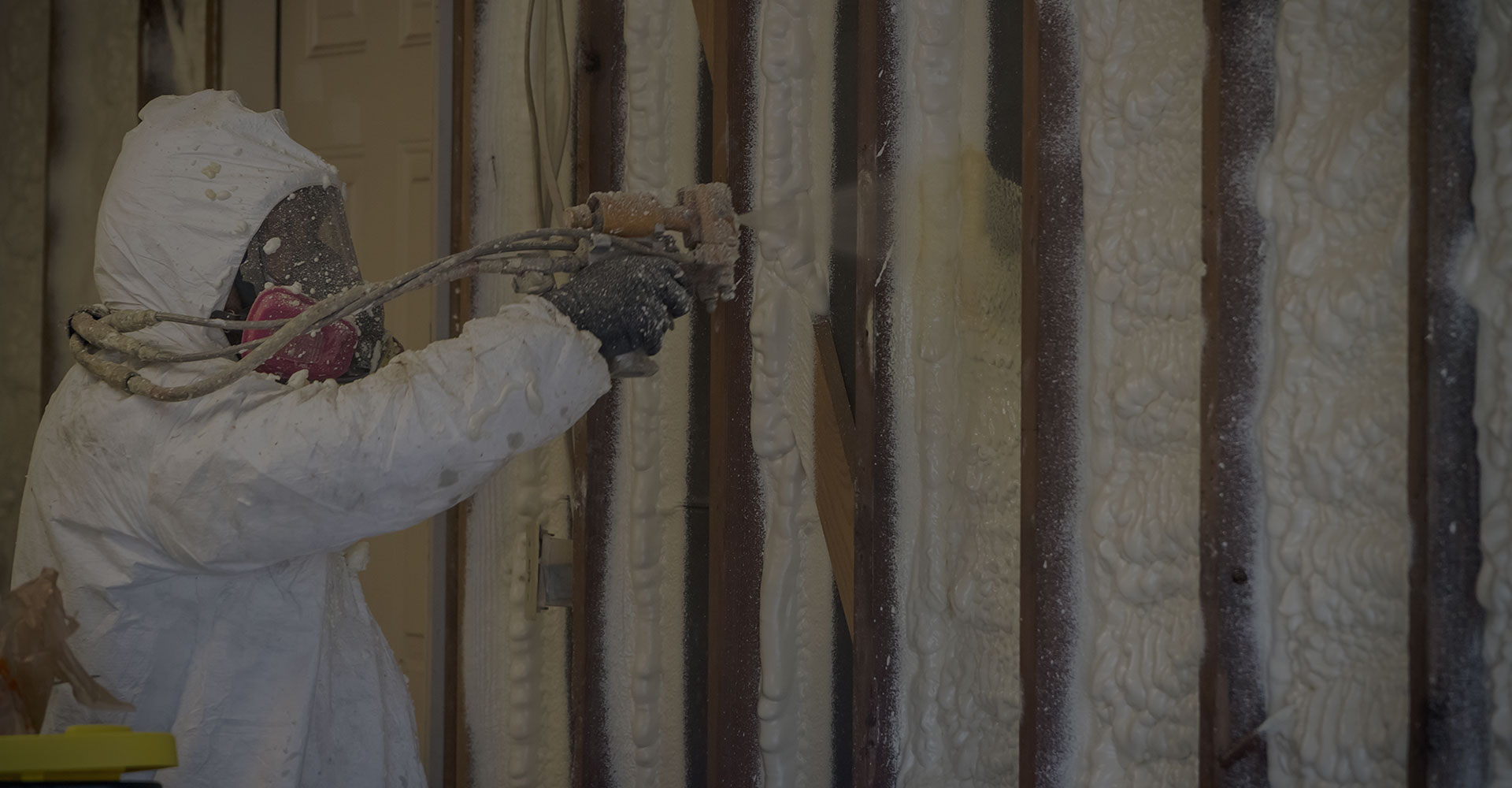
Spray foam expands after application and seals gaps that traditional insulation misses. Contractors use two main types: open-cell and closed-cell. Both improve energy efficiency but behave differently once installed. Density, rigidity, and moisture resistance set them apart. Knowing these differences helps avoid incorrect use.
Open-Cell Spray Foam Explained
Open-cell spray foam feels soft and lightweight after curing. It expands quickly and fills wall cavities with ease. The foam structure contains tiny air pockets that stay connected. This design allows airflow control but not moisture blocking. Open-cell insulation works well in interior walls and attic spaces. It also absorbs sound effectively. Builders often choose it for noise reduction between rooms. However, it needs more thickness to reach higher insulation values.
Closed-Cell Spray Foam Explained
Closed-cell spray foam cures into a rigid, dense layer. Each cell remains sealed, trapping gas inside. This structure increases insulation strength and moisture resistance. Closed-cell foam adds structural support to walls and roofs. It also resists water penetration in damp environments. Many closed-cell spray foam suppliers recommend it for basements, crawl spaces, and exterior walls. It delivers high insulation value with less material thickness. This feature matters when space remains limited.
Thermal Performance Comparison
Insulation value affects heating and cooling efficiency. Closed-cell spray foam provides higher thermal resistance per inch. It reduces heat transfer more effectively in tight spaces. Open-cell foam insulates well but requires a thicker application. Both types create airtight seals that limit energy loss. Climate conditions often determine which option performs better in the long term.
Moisture and Vapor Control
Moisture control protects building materials from damage. Closed-cell foam blocks water and slows vapor movement. It suits humid areas and flood-prone spaces. Open-cell foam allows moisture to pass through. This feature helps detect leaks early but offers less protection. Many closed-cell spray foam suppliers stress moisture resistance as a key advantage.
Conclusion
Both spray foam types deliver strong insulation benefits when used correctly. Open-cell spray foam works well for interior comfort and sound control. Closed-cell spray foam excels in durability, moisture resistance, and thermal efficiency. The right choice depends on the environment, space limits, and performance goals. Builders should evaluate each area separately rather than use one solution everywhere. Consulting experienced closed-cell spray foam suppliers ensures proper material selection and installation quality.
A well-informed decision leads to better energy savings, improved comfort, and fewer long-term maintenance concerns.