Bali Tattoo Designs Reimagined: Cultural Roots, Symbolism, and Contemporary Expression
Bali has always spoken in symbols. From temple carvings to ceremonial cloth, meaning is woven into everyday life. Tattoos here are no exception. They are not trends picked up overnight. They are stories, beliefs, and personal vows etched into skin. And that depth is exactly why Bali tattoo designs continue to attract people who want more than decoration.
This is not about copying a design from a wall. It is about understanding where it comes from and why it still matters.
Where Bali Tattoo Designs Truly Begin
Traditional Balinese tattoos draw heavily from Hindu mythology, spiritual protection, and the balance between good and evil. Many early motifs were inspired by temple guardians, deities, and natural forces believed to influence daily life.
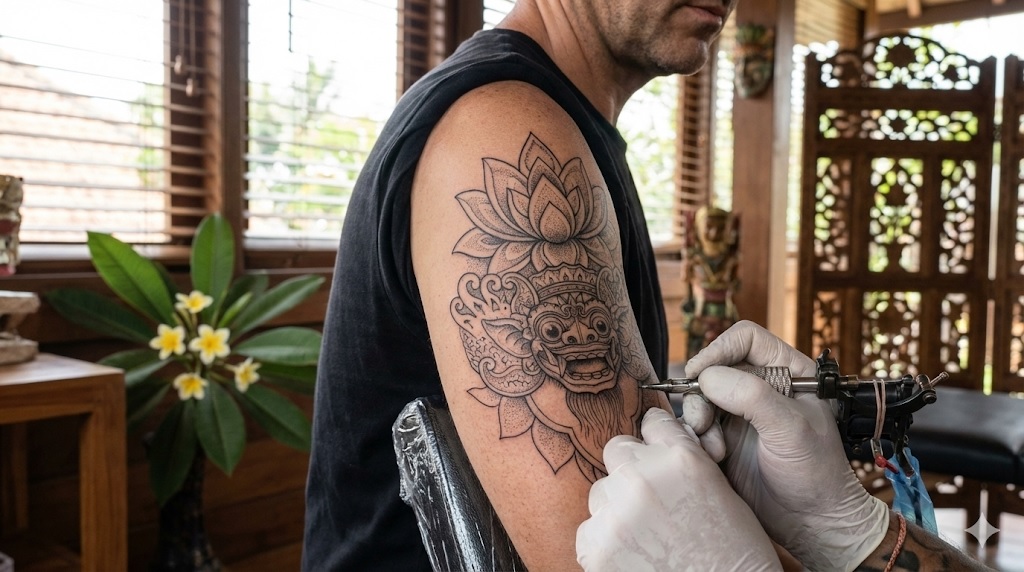
Barong figures symbolized protection and strength. Rangda represented chaos and the darker side of existence. Lotus flowers spoke of purity through struggle. These were not aesthetic choices. They were personal markers of belief and respect.
In older times, tattoos were rare and intentional. They carried weight. That philosophy still shapes how serious artists approach the craft today.
Meaning First, Design Second
One thing becomes clear when speaking with experienced tattoo artists in Bali. Meaning always comes first.
A mandala may represent balance, but its geometry can change depending on personal intention. A dragon might symbolize power, but also responsibility. Even simple line work often reflects ideas of karma, rebirth, or protection.
This is why many travelers spend time discussing their stories before choosing a design. In places like Uluwatu tattoo shops, conversations often go deeper than placement and size. Artists ask questions. Not to sell. But to understand.
That exchange is part of the experience.
Cultural Influence Meets Modern Style
Modern Bali tattoo designs do not abandon tradition. They reinterpret it.
Fine-line techniques now replace heavy blackwork for those who want subtlety. Sacred geometry blends with dotwork. Ancient symbols appear alongside minimalist scripts or contemporary compositions.
Western styles such as realism or abstract shading often merge with Balinese elements, creating designs that feel personal rather than borrowed. This balance is what defines today’s Bali tattoo scene.
An experienced Uluwatu tattoo studio often acts as a bridge. Respecting heritage, while adapting to global aesthetics.
Placement, Flow, and the Body’s Role
Balinese tattoo philosophy considers how energy flows through the body. Placement matters. A design on the spine may represent alignment. Tattoos on the arms often symbolize action and protection. Chest pieces are tied to intention and emotion.
Artists trained in this mindset do not treat the body as a flat canvas. They design with movement in mind. The tattoo should live with you, not sit on you.
This approach separates thoughtful work from impulsive decisions.
Choosing the Right Artist in Bali
Skill is important. Respect is essential.
A good artist will explain cultural context without lecturing. They will guide, not push. And they will refuse designs that misuse sacred symbols without understanding.
This is why Bali has built a reputation not just for artistry, but for integrity. The best studios focus on consultation, hygiene, and long-term meaning.
A tattoo here becomes a memory, not a souvenir.
Why Bali Tattoos Feel Different?
People often say their Bali tattoo feels different. Not visually. Emotionally.
It is because the process slows you down. You listen. You reflect. You choose with intention. That alone changes the outcome.
The island leaves its mark quietly.