
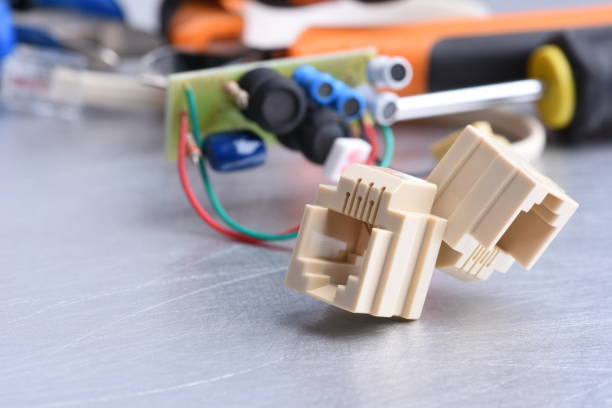
A Comprehensive Guide to Phone Line Jacks: Connecting Your Devices with Ease
In today’s connected world, the backbone of home and office communication often depends on the humble phone line jack. While mobile devices have taken over much of our communication needs, landline phones, fax machines, and certain internet connections still rely on these jacks. Understanding the different types of phone line jacks can save you time and headaches, especially when setting up or troubleshooting your system.
What is a Phone Line Jack?
A phone line jack is the interface that connects a telephone or other telecommunication device to the broader telephone network. These jacks are typically installed in walls and come in various shapes and sizes, designed to accommodate different types of connectors. While they might seem like a small piece of hardware, choosing the correct jack is crucial for ensuring a reliable connection.
Phone line jacks are more than just plastic ports on your wall. They play a significant role in maintaining signal quality, preventing interference, and supporting multiple lines or devices simultaneously. When dealing with home offices, small businesses, or complex phone systems, knowing the right jack type becomes essential.
RJ11 vs RJ14: The Most Common Phone Connectors
Among the myriad of phone jacks, RJ11 and RJ14 are the most widely recognized.
-
RJ11: This is the standard phone jack found in most homes. It supports a single line and typically uses a 6-position, 2-conductor connector (6P2C). This is sufficient for the majority of personal phone setups.
-
RJ14: Slightly larger, RJ14 supports two phone lines simultaneously. This makes it ideal for households or small offices requiring multiple lines without installing separate jacks.
Both types are compatible with a wide range of telecommunication devices, but it’s important to match the correct cable and connector to your jack to ensure proper functionality.
Specialty Jacks for Modern Needs
With technology evolving, specialized phone jacks have emerged to meet various requirements. These include:
-
RJ25: This type supports three phone lines, commonly used in small businesses.
-
RJ45: While mostly associated with Ethernet networking, some voice-over-IP (VoIP) phones use RJ45 jacks. These allow for higher-speed digital communication and integration with network systems.
-
Modular jacks with surge protection: For areas prone to electrical surges, these jacks protect sensitive equipment from damage.
Choosing the right specialty jack ensures that your communication devices function optimally while reducing the risk of connection issues or equipment failure.
Installation Tips for Phone Line Jacks
Installing phone line jacks requires some basic understanding of wiring and placement. Here are a few key tips:
-
Choose the right location: Place jacks in areas where phones or other devices will be frequently used. Avoid locations near electrical panels or high-interference equipment.
-
Use quality cables: Cheap or substandard wiring can degrade signal quality. Consider using cables designed specifically for telephone lines.
-
Test connections: Always test a jack after installation to ensure it’s properly connected and functional. A simple line tester can help detect issues before you complete the setup.
-
Label your jacks: For setups with multiple lines, labeling can save time during troubleshooting or future upgrades.
Following these tips can simplify your setup process and help prevent common problems such as static, dropped calls, or connectivity issues.
Understanding the Top 10 Phone Line Jack Types
For enthusiasts and professionals alike, knowing the Top 10 Phone Line Jack Types can be invaluable. This knowledge allows you to select the correct type for your needs, whether for residential, commercial, or specialized applications. From basic RJ11 to advanced modular jacks with additional features, each type has unique characteristics that serve different communication purposes. Understanding their functionality ensures that your telecommunication system operates smoothly and efficiently.
Common Problems and How to Fix Them
Even with the right jacks, problems can arise. Here are some typical issues and fixes:
-
Loose connections: Check that all cables are securely plugged in. Sometimes, simply re-seating a connector resolves connectivity problems.
-
Corrosion or dirt: Over time, jacks can accumulate dust or develop corrosion. Clean contacts gently with a contact cleaner.
-
Line interference: Electrical interference from nearby devices can disrupt phone signals. Use shielded cables or reposition the jack away from potential sources.
-
Damaged wiring: Frayed or damaged wires inside walls can cause poor signal quality. Replacing the wiring may be necessary for long-term reliability.
Addressing these issues promptly ensures that your communication lines remain clear and dependable.
Future of Phone Line Jacks
While traditional phone lines are becoming less common in favor of VoIP and mobile networks, the demand for reliable physical jacks persists in certain industries. Offices with secure networks, hospitals, and government facilities still depend on wired connections for consistent service. Additionally, hybrid systems combining VoIP with traditional lines often require a mixture of old and new jack types.
Understanding the various types of phone line jacks, their uses, and their installation requirements is not just technical knowledge—it’s practical know-how for maintaining effective communication in both personal and professional environments.
Conclusion
Phone line jacks might appear to be a minor component, but they are the unsung heroes of seamless communication. Knowing the different types—from RJ11 to modular specialty jacks—can prevent frustrations and enhance connectivity. Whether you are setting up a home phone system, equipping a small office, or maintaining a hybrid telecommunication network, selecting the correct jack type is essential. Taking the time to understand installation, troubleshooting, and the Top 10 Phone Line Jack Types ensures that your devices stay connected efficiently and reliably.