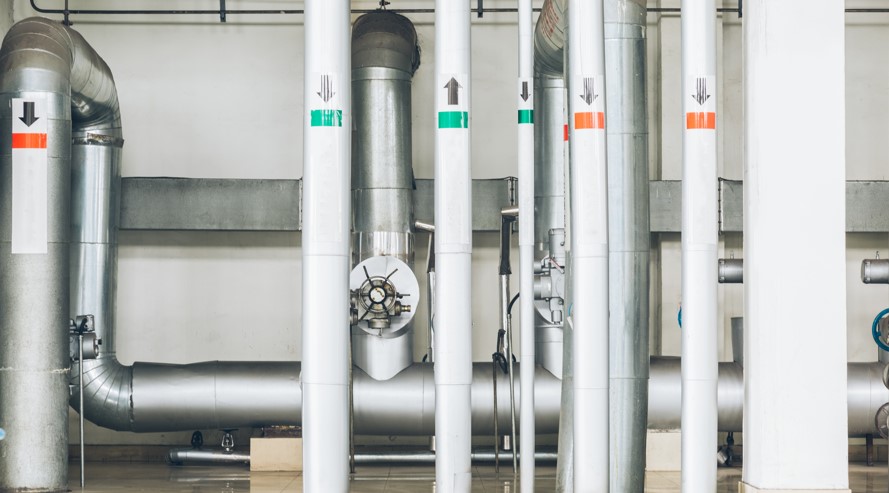
Chilled Water Piping System Solutions for HVAC Energy Efficiency
Workplaces, buildings, and shared spaces continue to evolve as people search for ways to create smoother comfort with less energy use. Many teams want cooling systems that support steady temperature control without wasting resources. This interest grows stronger as offices focus on long-term performance and simple day-to-day comfort. Because of this shift, many turn to a chilled water piping system in the middle of their planning to build cooling solutions that guide energy use with clear direction and improved structure.
Modern cooling systems shape how buildings feel and function. These systems help teams manage indoor climates while reducing strain on equipment. When people understand the value behind structured cooling networks, they gain clearer pathways to energy control. This article explains how chilled water solutions work, how they support long-term gains, and why they strengthen HVAC energy efficiency. With thoughtful design and steady flow, these systems help buildings stay comfortable, stable, and easy to manage.
Understanding the Role of Chilled Water Systems
A chilled water system cools large spaces by moving chilled water through insulated pipes. These pipes guide cold water to air-handling units, which push cool air through each room. Teams value this method because it delivers smooth and steady cooling across wide areas. This structured flow helps buildings stay comfortable even during heavy heat loads.
Buildings also gain stronger control when they manage chilled water movement with intention. When pipes support consistent temperature levels, cooling stays balanced across long durations. This creates a more dependable indoor climate that helps teams work comfortably throughout the day.
Key roles of chilled water systems:
- They guide cooling across large spaces with steady precision.
- They support stable temperature control in different zones.
- They reduce strain on equipment by spreading cooling tasks evenly.
These points show how chilled water systems create a strong foundation for indoor climate control. With reliable movement and structured flow, buildings support comfort with less effort.
These Systems Improve HVAC Energy Efficiency
Energy efficiency grows stronger when cooling systems work with organised flow and reduced strain. Chilled water networks support this structure by moving cool water through insulated lines that protect temperature levels. By using this design, buildings use energy wisely and gain better climate control across wide spaces.
Teams that look at HVAC energy efficiency study how well systems move cool air without overworking their chillers. Chilled water designs distribute the cooling load, which means equipment handles tasks more smoothly. This balance helps buildings maintain comfort while reducing unnecessary energy use.
Chilled systems improve efficiency:
- They minimise wasted cooling by protecting the temperature in insulated pipes.
- They share cooling tasks across multiple components to reduce strain.
- They improve temperature control with steady, predictable flow.
These advantages show how chilled water systems help buildings use energy more responsibly. When teams follow structured cooling paths, they build stronger energy habits that last longer.
Key Components That Strengthen Performance
A chilled water network relies on several parts that work together to support strong system performance. Pipes carry the cooling water, pumps drive movement, and chillers remove heat before sending the water back into the cycle. This combination helps buildings maintain a smooth cooling rhythm throughout the day.
Teams value the role of each part because strong performance depends on steady coordination. When components connect clearly, the system delivers cooling with stable pressure and reliable temperature levels. This creates a resilient design that protects long-term performance.
Important components in chilled water systems:
- Pipes that move chilled water across building zones.
- Pumps that drive strong and steady circulation.
- Chillers that remove heat and reset water temperature.
These parts work together to shape dependable cooling networks. When components follow clear flow paths, the system maintains comfort with smooth and balanced energy use.
Piping Design Shapes Energy Control
Piping layout strongly affects the performance of any cooling system. When pipes move chilled water in smooth paths, the system responds quickly to temperature needs. This layout helps buildings control energy use because smooth movement prevents strain on pumps and chillers.
Teams that want better HVAC energy efficiency study their pipe layout to ensure balanced flow. When water moves freely, the system adjusts to changes without heavy pressure drops. This balance leads to smoother cooling, fewer disruptions, and greater energy savings.
Piping design shapes energy control:
- Balanced pipe paths improve water movement and system response.
- Clear layouts reduce pump strain and stabilise performance.
- Strong design supports even cooling across building zones.
These points show how important piping design is in shaping energy control. With proper structure, buildings gain consistent cooling with reduced power use.
Maintenance Approaches That Strengthen Longevity
Maintenance plays a vital role in shaping long-term system performance. Teams who care for pipes, pumps, and chillers keep their systems running smoothly. When buildings adopt simple maintenance routines, they protect energy efficiency and reduce sudden equipment strain.
Strong maintenance plans focus on checking flow rates, inspecting insulation, and ensuring clean water quality. These steps help buildings avoid blockages that disrupt cooling cycles. When maintenance stays consistent, systems work with better control and lower energy loss.
Maintenance steps that support longevity:
- Checking water flow to ensure smooth system movement.
- Inspecting insulation to protect temperature levels.
- Cleaning filters and parts to keep components free from build-up.
These routines help buildings maintain strong performance across long periods. When teams care for their systems with steady attention, they gain smoother operation and better energy efficiency.
Chilled Water Designs Support Modern Buildings
Modern buildings grow larger, more connected, and more complex. This growth requires cooling systems that handle broad zones without heavy energy use. Chilled water designs support this need with structured flow, efficient cooling, and stable climate control. Teams rely on these systems as they plan energy-focused buildings that perform well across changing seasons.
Buildings also gain flexibility because chilled water networks adjust to shifting loads. This adaptability helps teams manage long-term performance without overwhelming their equipment. When systems respond smoothly to demand, buildings maintain comfort and energy stability.
Reasons chilled water systems benefit modern spaces:
- They support large building zones with steady cooling.
- They shape flexible systems that respond to changing loads.
- They help teams prioritise HVAC energy efficiency across long periods.
These reasons show why chilled water systems remain important in modern construction. As buildings evolve, they rely on strong cooling methods to support comfort and energy stability.
Conclusion
Cooling systems shape how buildings feel and perform each day. A well-planned chilled water design supports energy control, balanced flow, and steady comfort across large spaces. When teams choose systems that match building size and cooling demands, they build stronger foundations for long-term performance. Chilled water solutions help offices embrace energy-wise habits while maintaining a comfortable environment. With structured flow and thoughtful design, modern buildings gain cooling systems that strengthen stability and support HVAC energy efficiency at every stage.
FAQs
How does a chilled water system help cooling performance?
It moves cold water through pipes to support steady cooling across large building zones with clear and balanced flow.
Why does pipe layout matter in chilled systems?
Pipe design shapes how water moves, which influences system response, energy use, and overall temperature control.
How do chilled water systems support energy efficiency?
They protect temperature levels, reduce equipment strain, and guide cooling tasks with smooth and structured movement.
What makes chilled water systems useful for modern buildings?
They support large spaces, respond to changing loads, and help teams build strong cooling strategies with a long-term energy focus.