Luminous Ceiling Panels vs. Traditional Lighting: What’s the Difference?
Lighting choices affect comfort, energy use, and long-term costs. Many spaces still rely on tube lights or bulbs. At the same time, luminous ceiling panels are becoming common in offices, hospitals, and modern homes. Both options serve the same purpose, but they work very differently. Understanding these differences helps in making better lighting decisions. This comparison focuses on performance, efficiency, appearance, and practical use. The goal is to explain how each option functions and where each fits best. With rising energy costs and changing design needs, lighting now plays a larger role than ever before.
What Are Luminous Ceiling Panels?
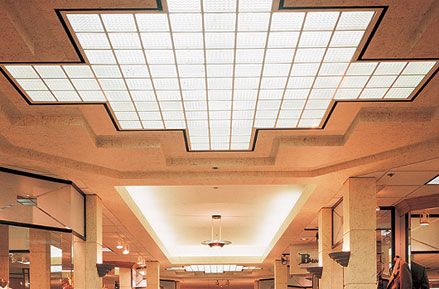
Luminous Ceiling panels use LED technology to evenly distribute light. Luminous ceiling panels are flat lighting fixtures installed in ceilings. They use LEDs placed behind a diffuser. This design spreads light across the entire surface. The result feels uniform and soft. These panels usually sit flush with the ceiling. Many models support different color temperatures. Some also support dimming. Offices prefer them for glare control. Medical spaces use them for visual comfort. Homes use them for clean, modern interiors.
What Falls Under Traditional Lighting?
Traditional lighting includes incandescent bulbs, CFLs, and fluorescent tubes. These fixtures emit light from a single point or tube. They often require reflectors or covers. Light distribution depends on fixture placement. Bright spots and shadows often appear. Bulbs usually sit below the ceiling surface. Replacement cycles happen more frequently. Heat output remains higher with many traditional options.
Energy Use and Efficiency
Energy performance creates one of the biggest differences. Luminous ceiling panels use far less power for the same brightness. LEDs convert more energy into light. Traditional bulbs waste more energy as heat. Panels also maintain stable brightness over time. Many older bulbs lose output before failure. Lower power use reduces monthly energy bills. This advantage becomes clear in large spaces with long usage hours.
Light Quality and Visual Comfort
Light quality directly affects daily comfort. Panels provide consistent light across the room. Glare remains minimal due to diffusers. Eye strain reduces during long work hours. Traditional lighting often creates uneven brightness. Flicker appears in older fluorescent fixtures. Shadows form around work areas. Adjustable color temperatures in panels support different tasks and moods.
Installation and Design Impact
Ceiling appearance changes with lighting choice. Luminous ceiling panels integrate smoothly into ceilings. They suit drop ceilings and recessed layouts. Rooms feel open and uncluttered. Traditional fixtures often hang lower. They draw visual attention. Some designs suit decorative needs. Others look outdated in modern spaces. Retrofit options exist for both systems.
Maintenance and Lifespan
Maintenance needs differ greatly over time. LED panels last for many years with regular use. Replacement happens far less often. Maintenance teams spend less time on upkeep. Traditional bulbs burn out faster. Frequent replacements increase labor and material costs. Sudden failures also disrupt workspaces.
Cost Comparison
Cost includes more than the purchase price. Panels cost more at installation. Energy savings recover the cost over time. Reduced maintenance adds further value. Traditional lighting costs less upfront. Long-term expenses remain higher. Power bills and replacements add up quickly. Budget planning should consider the total ownership cost.
Conclusion
Choosing between luminous ceiling panels and traditional lighting depends on priorities. Panels offer efficiency, comfort, and modern design. Traditional fixtures still suit decorative or focused lighting needs. Spaces with long operating hours benefit most from panels. Homes and offices gain visual balance and lower energy use. Older lighting still works in specific cases. The right choice depends on usage patterns, budget, and design goals. Understanding these differences allows smarter decisions. Lighting should support both function and comfort without adding a long-term burden.