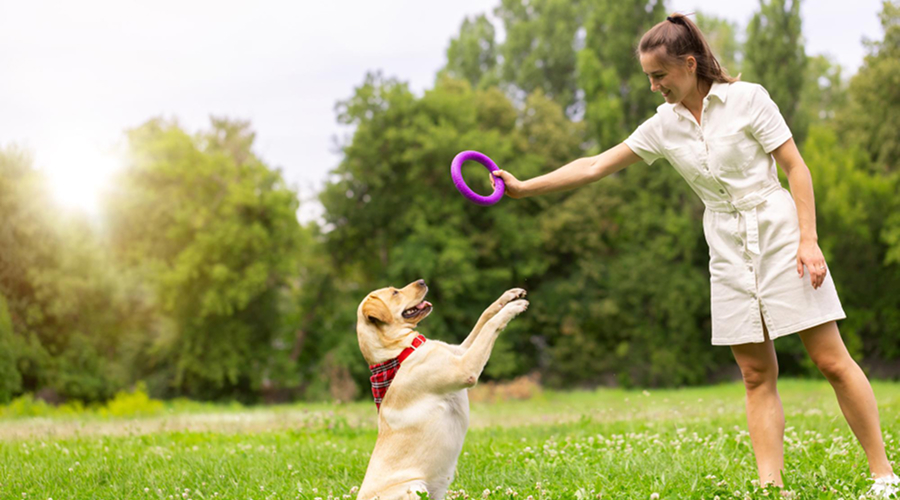
Dog Toys That Strengthen the Bond Between You and Your Pet
Every pet owner knows that the relationship with their furry friend goes beyond basic care. Spending quality time with your dog is essential, and it doesn’t have to be complicated. One of the most effective ways to nurture this relationship is through interactive play. Using dog toys and even considering dog clothes for specific activities can make bonding fun, engaging, and beneficial for both you and your dog. These simple tools aren’t just for entertainment—they can improve your pet’s mental and physical health, reinforce training, and deepen the emotional connection between you and your four-legged companion.
The Importance of Play in a Dog’s Life
Play is a fundamental aspect of a dog’s development and well-being. From the moment they are puppies, dogs explore the world through play, learning vital skills like social interaction, problem-solving, and communication. Adult dogs also thrive on regular play, which helps reduce stress, anxiety, and boredom. Incorporating dog toys into daily routines provides mental stimulation and encourages physical activity, creating a healthy balance for your dog.
Interactive play isn’t just beneficial for the dog—it’s rewarding for owners too. Engaging in games like fetch, tug-of-war, or hide-and-seek strengthens trust, encourages obedience, and enhances mutual understanding. Dogs quickly learn to associate these activities with positive experiences, which can make training sessions smoother and life together more enjoyable.
Choosing the Right Dog Toys
Not all dog toys are created equal. Selecting the right type of toy depends on your dog’s age, size, breed, and temperament. Puppies may enjoy softer chew toys that soothe teething discomfort, while adult dogs might prefer durable, challenging toys that can withstand heavy chewing.
Interactive toys are particularly effective in strengthening bonds. Puzzle toys, treat-dispensing toys, and toys that encourage problem-solving engage your dog’s mind and keep them occupied for longer periods. This type of play encourages communication between you and your pet, as you guide them through challenges and celebrate their successes together.
Chew toys are another excellent option. Dogs have a natural need to chew, which helps maintain healthy teeth and gums. Providing appropriate chew toys reduces destructive behavior and can prevent frustration. When you join your dog in play with chew toys, it reinforces positive interaction and strengthens trust.
Outdoor Toys for Active Dogs
Outdoor play is an essential part of a dog’s routine. Activities like running, fetching, and swimming are excellent for maintaining a healthy weight and building strong muscles. Certain dog toys are designed specifically for outdoor use, like flying discs, balls, and ropes. These toys not only encourage physical activity but also give your dog the chance to explore their environment safely.
Taking your dog outdoors for playtime is a perfect opportunity for bonding. Throwing a ball, chasing a frisbee, or playing tug-of-war in the park builds teamwork and communication. Dogs respond to the attention, encouragement, and guidance provided during these activities, creating a lasting bond.
Indoor Play for Mental Stimulation
Indoor play is just as important, especially during extreme weather or when outdoor space is limited. Puzzle toys, treat dispensers, and interactive games challenge your dog’s intellect and keep them mentally engaged. Mental stimulation is just as crucial as physical exercise—it reduces boredom, prevents destructive behavior, and strengthens the bond between pet and owner.
Training games can also be incorporated into indoor play. Teaching tricks, obedience commands, or agility exercises using toys rewards your dog with treats and praise. These activities reinforce good behavior while providing a fun, interactive experience that both of you enjoy.
Social Play and Bonding
Dogs are naturally social animals. Playtime with other dogs can be highly beneficial, helping to develop social skills and reduce anxiety. When combined with dog toys, social play offers multiple advantages. Interactive toys that can be shared, like tug ropes or group puzzle games, teach your dog cooperation and patience while allowing owners to supervise and join in the fun.
Moreover, observing your dog interact with other pets provides insight into their personality, preferences, and energy levels. This knowledge helps you select the best toys and activities that suit their temperament, further enhancing your connection.
Role of Dog Clothes in Play and Bonding
While toys are the most direct tools for play, dog clothes can also contribute to bonding. Protective gear, jackets, or even themed outfits for special occasions can make outdoor adventures more comfortable and fun. For example, a dog jacket can allow your pet to enjoy outdoor play during colder months without discomfort, ensuring that playtime remains a positive experience.
Some owners use clothing as part of training or enrichment activities. For instance, agility courses that involve crawling through tunnels or running in protective vests can make playtime more structured and engaging. Dogs often respond positively to these activities, associating the clothing with enjoyable experiences, treats, and praise.
DIY Dog Toys for Creative Bonding
Creating your own dog toys at home can be an inexpensive and fun way to engage your dog. Simple items like knotted ropes, treat-filled bottles, or homemade tug toys can provide hours of entertainment. DIY toys allow you to customize the difficulty and type of play based on your dog’s preferences and energy level.
Making toys together, even if your dog can’t physically help, strengthens the bond because it involves you dedicating time and creativity to their happiness. It also encourages problem-solving, as your dog figures out how to extract treats or maneuver through obstacles you’ve set up.
The Benefits of Routine Playtime
Establishing a consistent play schedule benefits both the dog and the owner. Regular interaction reduces stress, builds trust, and creates anticipation for positive experiences. Dogs thrive on routine, and knowing when playtime occurs adds structure to their day.
Routine play also enhances training. Commands and tricks practiced during fun sessions are more likely to stick because the dog associates learning with enjoyment. Over time, these moments of shared activity contribute to a deep, trusting relationship that goes beyond basic care.
Interactive Games to Try
There are countless games that can enhance bonding between you and your dog. Here are some effective examples:
Fetch and Retrieve
A classic game that never loses its charm. It encourages physical exercise, strengthens recall skills, and fosters cooperation. Using brightly colored balls or toys ensures your dog stays engaged and motivated.
Tug-of-War
A controlled tug-of-war game teaches impulse control, strength, and coordination. It also builds confidence and allows dogs to express natural behaviors safely. Always ensure the game is supervised to prevent aggression and encourage fair play.
Hide-and-Seek
Hide treats, toys, or even yourself around the house or yard for your dog to find. This game stimulates their mind, enhances their problem-solving abilities, and encourages them to use their natural scent-tracking skills.
Puzzle Toys
These toys challenge your dog to figure out how to access hidden treats or move pieces around. Puzzle toys provide mental stimulation, reward perseverance, and reinforce a positive bond as you guide them through the challenge.
Agility Courses
Set up simple agility exercises in your yard or living room using tunnels, jumps, and cones. This activity promotes physical fitness, confidence, and communication between you and your pet. Dogs often thrive when learning new skills, and your encouragement strengthens trust and respect.
Understanding Your Dog Through Play
Playtime offers more than just fun—it’s an opportunity to observe and understand your dog’s behavior. Different toys, games, and activities reveal preferences, personality traits, and energy levels. Some dogs enjoy chasing and retrieving, while others prefer tugging, chewing, or problem-solving.
Understanding these tendencies allows you to select the most appropriate dog toys and activities. Catering to your dog’s natural inclinations ensures that playtime is enjoyable, safe, and beneficial, further deepening the bond between you.
Safety Tips for Playtime
While play is essential, safety should always come first. Here are some key points to keep in mind:
- Choose toys appropriate for your dog’s size and strength to prevent choking hazards.
- Regularly inspect toys for wear and tear, replacing damaged items promptly.
- Avoid toys with small parts that can be swallowed.
- Supervise outdoor play, especially near roads or water.
- Introduce new toys gradually to ensure your dog is comfortable and confident.
By following these precautions, playtime remains a positive experience, free from unnecessary risk or stress.
Wrapping Up
Strengthening the bond with your dog doesn’t require elaborate routines or expensive gadgets. Dog toys and thoughtfully chosen dog clothes can transform everyday interactions into meaningful moments of connection. Play nurtures mental and physical well-being, reinforces training, and fosters trust and companionship.
Whether through interactive puzzle toys, outdoor games, or creative DIY activities, dedicating time to engage with your dog pays off in countless ways. Observing their behavior, understanding their preferences, and incorporating enjoyable activities into daily routines ensures that your relationship grows stronger with every shared experience.
Ultimately, the bond between you and your dog is built on consistency, attention, and love. By embracing play as a vital part of life, you create joyful memories, a healthier and happier pet, and a deeper, lasting connection that enriches both your lives.