
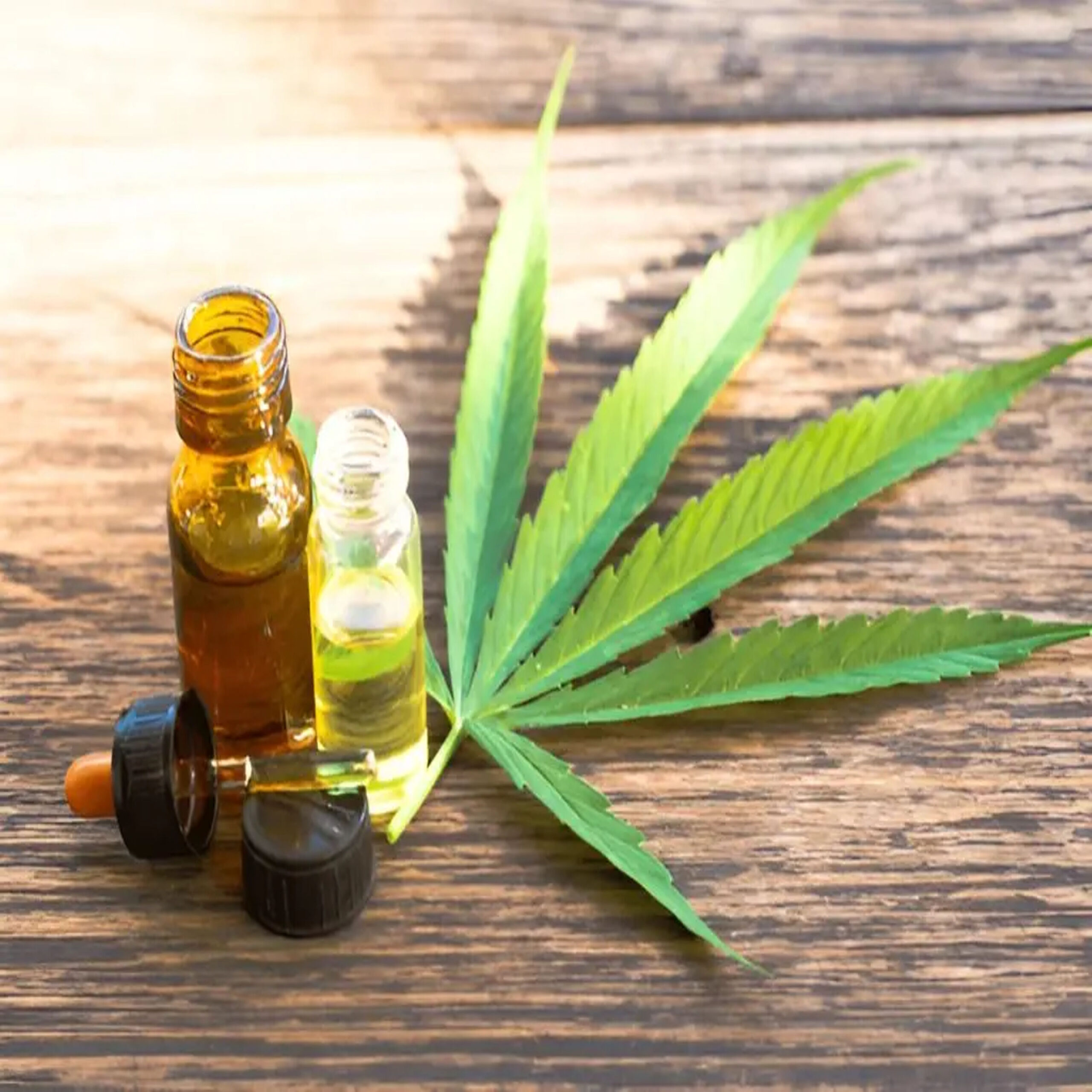
Understanding Spasticity and the Emerging Role of Cannabis-Based Care
Spasticity is a complex neurological condition that affects muscle control, often leading to stiffness, involuntary contractions, and restricted movement. It commonly appears in people living with conditions such as multiple sclerosis, cerebral palsy, spinal cord injuries, stroke, or traumatic brain injury. While spasticity varies in severity, even mild cases can interfere with daily activities, sleep, and overall quality of life.
Traditional treatment approaches have long focused on physical therapy, oral medications, injections, and, in some cases, surgical interventions. These methods can be effective, but they are not without limitations. Side effects, reduced long-term efficacy, and incomplete symptom relief have led researchers and clinicians to explore complementary options that may better address both physical discomfort and patient well-being.
One area gaining increasing attention is the therapeutic use of cannabis-derived compounds.
What Makes Spasticity Difficult to Treat?
Spasticity is not simply muscle tightness. It is the result of disrupted communication between the brain, spinal cord, and muscles. Damage to the central nervous system alters how signals are sent, causing muscles to remain in a constant state of contraction. This can lead to pain, fatigue, reduced mobility, and secondary complications such as joint deformities or pressure sores.
Medications such as baclofen, tizanidine, and benzodiazepines are commonly prescribed to manage symptoms. While helpful for many patients, these drugs can cause drowsiness, weakness, dizziness, or cognitive impairment. Over time, some individuals develop tolerance, requiring higher doses for the same effect.
Because spasticity affects each person differently, there is no universal treatment plan. This variability has driven interest in more personalized and flexible therapeutic approaches.
The Endocannabinoid System and Muscle Control
To understand why cannabis-based treatments are being explored, it helps to look at the endocannabinoid system (ECS). The ECS is a network of receptors found throughout the brain, spinal cord, immune system, and peripheral tissues. It plays a key role in regulating pain perception, muscle tone, inflammation, and neurological signaling.
Cannabinoids such as THC and CBD interact with ECS receptors, particularly CB1 receptors in the central nervous system. Research suggests this interaction may help modulate abnormal nerve signaling that contributes to muscle stiffness and spasms. Unlike many conventional medications, cannabinoids may influence multiple pathways simultaneously, potentially offering broader symptom support.
This mechanism has led scientists to investigate medical marijuana for spasticity as a therapeutic option, particularly for patients who do not respond well to standard treatments.
What the Research Suggests
Clinical studies, especially those involving multiple sclerosis patients, have shown promising results. Some trials report reductions in muscle stiffness, spasm frequency, and associated pain when cannabinoid-based therapies are used. Patients often describe improved sleep quality and a greater sense of physical ease, which can be just as important as measurable clinical outcomes.
It is important to note that cannabis is not a cure for spasticity. Rather, it may serve as a symptom-management tool within a broader care plan. Responses vary based on dosage, cannabinoid composition, method of administration, and individual physiology.
Ongoing research continues to refine best practices, explore long-term safety, and determine which patient populations benefit most.
Patient-Centered Perspectives
One reason cannabis-based therapies are gaining acceptance is the emphasis on patient experience. Many individuals with spasticity live with chronic discomfort that affects both physical and emotional health. When symptoms are poorly controlled, daily routines can become exhausting and discouraging.
Patients who explore cannabinoid therapies often report feeling more in control of their symptoms. Some describe smoother muscle movement, fewer sudden spasms, and reduced reliance on high-dose pharmaceuticals. For others, the benefit lies in improved sleep or decreased anxiety related to chronic pain.
These subjective improvements, while not always captured fully in clinical metrics, play a meaningful role in overall quality of life.
Safety, Oversight, and Responsible Use
As with any therapeutic approach, safety and medical oversight are essential. Cannabis-based treatments should be considered under the guidance of a qualified healthcare professional, particularly for individuals with complex neurological conditions or those taking multiple medications.
Factors such as dosage, cannabinoid ratio, and delivery method can significantly influence outcomes. Responsible use prioritizes symptom relief without unnecessary side effects or impairment. Continued education for both patients and providers remains a key component of effective care.
Legal frameworks also shape access and usage, making it important for patients to stay informed about regulations in their region.
Looking Ahead
The growing interest in medical marijuana for spasticity reflects a broader shift toward integrative and patient-focused care. As research expands and clinical experience deepens, cannabis-based therapies may become more refined, targeted, and widely understood.
For individuals living with spasticity, progress is not measured only in reduced muscle tone, but in regained independence, comfort, and dignity. Exploring new therapeutic avenues grounded in science and guided by medical expertise offers hope for more adaptable and responsive treatment strategies in the future.
Name – Kentucky Medical Marijuana Program
Address – 1215 Nebo Rd, Madisonville, KY 42431, United States
Phone – 12702775589
Website – https://kentuckymarijuana.org/