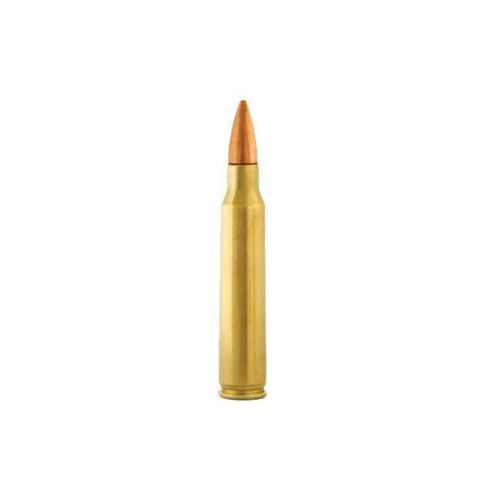
Same Size, Different Story: 5.56×45 vs .223 Explained Simply
If you’ve ever held a round of 5.56×45 ammo and a .223 cartridge side by side, you might think they’re twins. Same length, same diameter, same look. But in reality, the story behind these two rounds is very different. Using the wrong one in your rifle can affect accuracy, pressure, and even safety.
Let’s break it down in simple terms so you know what really happens when you pull the trigger.
The Basics: Same Dimensions, Different Pressure
Both 5.56×45 ammo and .223 rounds measure nearly the same. But the pressure levels they are designed for aren’t identical. Military 5.56 rounds are loaded to higher pressures, while commercial .223 rounds are slightly milder.
This means a rifle chambered strictly for .223 might experience higher stress if fired with military-spec 5.56 rounds. On the other hand, a 5.56-chambered rifle can safely handle both rounds, giving shooters flexibility in ammunition choices.
5.56x45mm 55gr FMJ Ammo: Why It Matters
One common 5.56 load you’ll see is 5.56x45mm 55gr FMJ Ammo. These full-metal jacket rounds are often used in training and practice. Their consistent weight and design give predictable performance in rifles built for 5.56.
They’re also widely available, making them a go-to choice for shooters looking to build confidence and practice efficiently.
FMJ rounds are not designed for maximum expansion but deliver steady, reliable flight and impact for most target scenarios.
Accuracy Differences Between the Two Rounds
Because of the pressure differences, accuracy can vary between rifles.
A .223 round in a rifle chambered for 5.56 might hit slightly lower than expected, while a 5.56 round in a .223-only rifle can create unpredictable patterns. Even slight velocity differences change bullet trajectory and recoil feel.
For casual shooters, this might be negligible, but for precision practice or tactical situations, it’s critical to match the round to the rifle chamber.
Range Safety and Rifle Longevity
Using the wrong caliber or pressure level repeatedly can wear out your firearm faster.
Short-term use might not be noticeable, but over time, higher-pressure 5.56 rounds in a .223-only rifle can increase barrel wear and stress components like the bolt and receiver.
Sticking to the recommended rounds ensures smoother operation, consistent performance, and a longer lifespan for your rifle.
Choosing the Right Round for Your Rifle
When deciding what to shoot, consider:
- Rifle chambering – Check if your rifle is marked .223, 5.56, or both.
- Purpose – Are you practicing, hunting, or training? 5.56 rounds are better for higher-pressure setups; .223 works well in milder rifles.
- Availability – Many shooters stock up on FMJ rounds like 5.56x45mm 55gr FMJ Ammo for regular range sessions.
Matching your round to your firearm keeps shots predictable, safe, and effective.
Practical Tips for Everyday Shooters
- Always read your rifle’s chamber markings before buying ammo.
- Use FMJ rounds for training to save on cost and ensure consistent flight.
- Avoid mixing high-pressure 5.56 rounds in a rifle designed only for .223.
- Keep bulk options handy if you plan long practice sessions or frequent range trips.
By understanding the differences, you get more consistent performance and can enjoy shooting without surprises.
Final Words
Although 5.56×45 ammo and .223 cartridges look nearly identical, the differences in pressure, performance, and intended use are important. FMJ rounds like 5.56x45mm 55gr FMJ Ammo are reliable, predictable, and perfect for rifles built to handle them.
Everyday shooters can enjoy safe, controlled, and accurate shooting by knowing these subtle but crucial differences. Matching ammo to your firearm ensures every shot counts, whether you’re training, plinking, or preparing for more serious applications.