
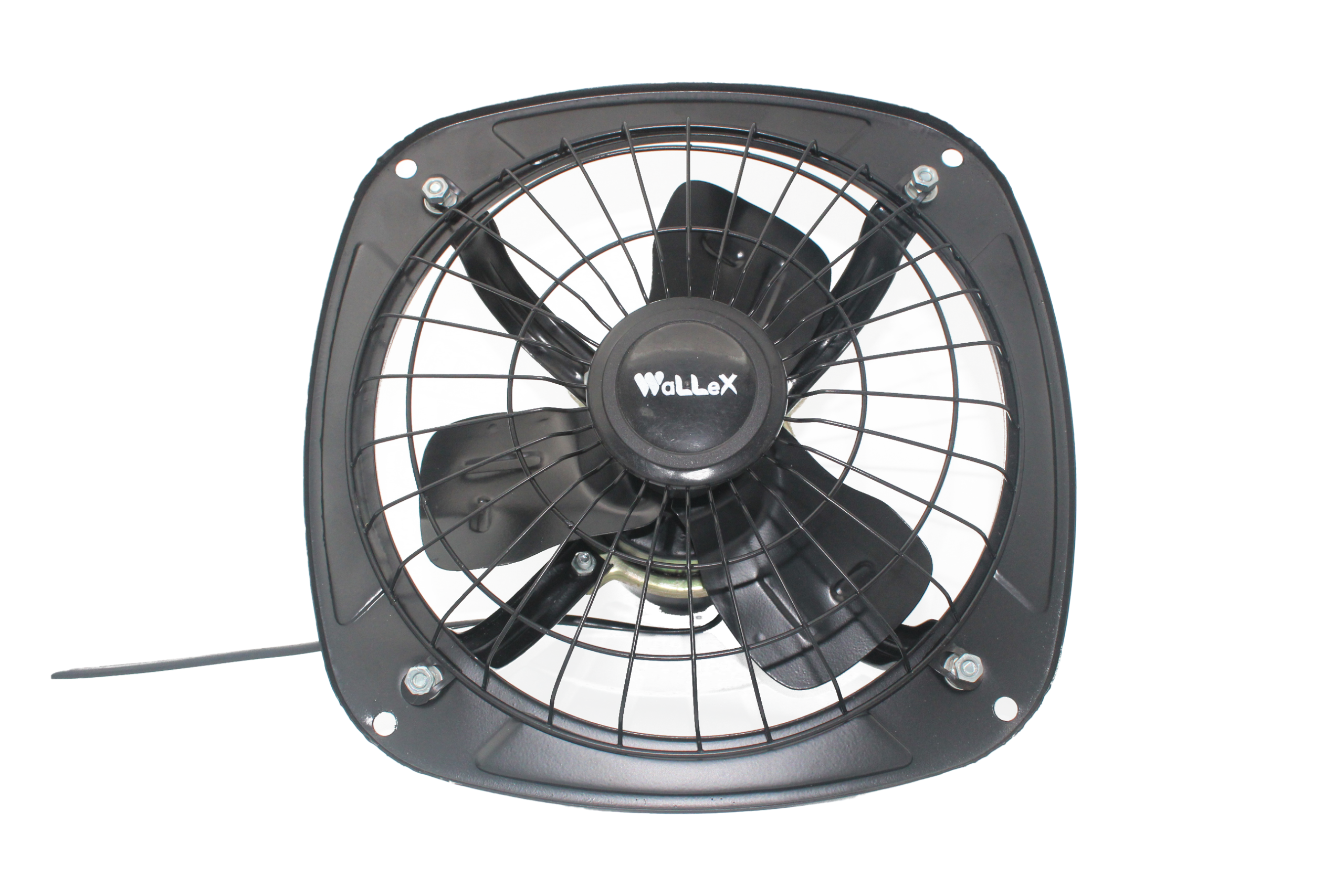
Exhaust Fan Cleaning: A Complete Guide to Efficiency, Safety, and Hygiene
Exhaust fan cleaning is an essential yet often neglected aspect of home and workplace maintenance. Exhaust fans are designed to remove heat, moisture, smoke, odors, and airborne contaminants from enclosed spaces such as kitchens, bathrooms, factories, and offices. Over time, these fans accumulate grease, dust, lint, and grime that can significantly reduce their efficiency and pose health and safety risks.
Regular cleaning not only improves airflow and performance but also enhances indoor air quality, reduces fire hazards, and extends the lifespan of the exhaust fan. This in-depth guide explains the importance of exhaust fan cleaning, methods, tools, safety measures, and long-term maintenance practices.
Why Exhaust Fan Cleaning Is Important
Exhaust fans operate continuously in environments where air contains moisture, oil, and dust. Without regular cleaning, contaminants build up quickly.
Improves Airflow and Ventilation
A clogged exhaust fan struggles to pull air efficiently. Grease and dust restrict blade movement and block vents, reducing airflow. Cleaning restores proper ventilation and improves overall air circulation.
Enhances Indoor Air Quality
Dirty exhaust fans recirculate pollutants, allergens, and unpleasant odors instead of removing them. Cleaning helps eliminate airborne contaminants, creating a healthier living and working environment.
Reduces Fire Risk
Grease buildup, especially in kitchen exhaust fans, is highly flammable. Regular cleaning lowers the risk of overheating and fire hazards caused by accumulated oil residues.
Prevents Mold and Moisture Damage
In bathrooms and laundry rooms, exhaust fans remove moisture. When clogged, humidity levels rise, leading to mold growth, peeling paint, and structural damage. Cleaning ensures effective moisture control.
Extends Equipment Lifespan
Excess dirt places strain on the motor and bearings, causing premature wear. A clean fan operates smoothly and lasts longer, reducing repair and replacement costs.
Types of Exhaust Fans That Require Cleaning
Different environments use different exhaust fan designs, but all require routine maintenance.
Kitchen Exhaust Fans
These fans collect grease, oil vapors, smoke, and food particles. They require frequent cleaning to prevent fire hazards and odors.
Bathroom Exhaust Fans
Bathroom fans accumulate dust, hair, and moisture, which can lead to mold growth if left uncleaned.
Industrial and Commercial Exhaust Fans
Factories, workshops, and restaurants rely on high-capacity exhaust fans that accumulate heavy dust, chemicals, and grease. These require professional cleaning schedules.
Window and Wall-Mounted Exhaust Fans
Common in homes and offices, these fans are exposed to both indoor and outdoor pollutants and need periodic cleaning.
How Often Should Exhaust Fans Be Cleaned?
Cleaning frequency depends on usage and environment.
-
Residential kitchen exhaust fans: Every 1–3 months
-
Bathroom exhaust fans: Every 3–6 months
-
Commercial kitchens: Weekly or bi-weekly
-
Industrial exhaust fans: Monthly or as per safety regulations
Signs such as noise, weak airflow, visible dirt, or persistent odors indicate the need for immediate cleaning.
Tools and Supplies Needed for Exhaust Fan Cleaning
Before starting, gather essential tools and materials:
-
Screwdriver
-
Degreasing dish soap or cleaner
-
Baking soda
-
White vinegar
-
Warm water
-
Soft brush or toothbrush
-
Microfiber cloth
-
Sponge
-
Rubber gloves
-
Vacuum cleaner with brush attachment
-
Bucket or basin
Safety Precautions Before Cleaning
Safety should always come first when cleaning electrical appliances.
-
Turn off the power supply and unplug the fan if possible
-
Allow the fan to cool completely
-
Wear gloves to protect against sharp edges and grease
-
Avoid excessive water near the motor
-
Use a stable ladder if the fan is mounted high
Step-by-Step Exhaust Fan Cleaning Process
Step 1: Switch Off Power and Access the Fan
Disconnect the fan from the power source. Remove the front cover or grille using a screwdriver or by unclipping it carefully.
Step 2: Clean the Cover or Grille
-
Soak the cover in warm water mixed with dish soap and baking soda
-
Let it sit for 15–30 minutes
-
Scrub gently with a brush to remove grease and dust
-
Rinse thoroughly and dry completely
Step 3: Remove Dust from the Fan Blades
-
Use a vacuum cleaner to remove loose dust
-
Wipe each blade with a damp cloth
-
Apply degreaser if grease is present
-
Use a toothbrush for corners and blade edges
Avoid bending or forcing the blades.
Step 4: Clean the Fan Housing and Surrounding Area
-
Wipe internal surfaces with a damp cloth
-
Use vinegar-water solution for stubborn stains
-
Ensure no moisture enters the motor housing
Step 5: Dry and Reassemble
Allow all parts to dry completely before reassembling. Secure the cover and restore power. Test the fan to ensure smooth operation.
Natural and Eco-Friendly Cleaning Methods
Natural cleaners are effective and safe for exhaust fan cleaning.
Baking Soda
Breaks down grease and neutralizes odors without harsh chemicals.
Vinegar
Dissolves grime and disinfects surfaces.
Lemon Juice
Cuts oil buildup and leaves a fresh scent.
These solutions are especially useful for households with children or pets.
Common Mistakes to Avoid
-
Cleaning without turning off power
-
Using abrasive scrubbers that damage blades
-
Spraying water directly onto the motor
-
Skipping drying before reassembly
-
Ignoring regular maintenance schedules
Signs of a Dirty or Failing Exhaust Fan
-
Reduced airflow
-
Loud or rattling noises
-
Persistent odors
-
Overheating
-
Visible grease or dust buildup
Addressing these issues early prevents costly repairs.
Professional Exhaust Fan Cleaning Services
Professional cleaning may be necessary for:
-
Commercial kitchens
-
Industrial exhaust systems
-
Fans with heavy grease buildup
-
Hard-to-reach installations
Professionals use specialized tools and follow safety standards to ensure thorough cleaning.
Benefits of Regular Exhaust Fan Cleaning
Consistent maintenance offers multiple advantages:
-
Improved ventilation
-
Healthier indoor environment
-
Lower energy consumption
-
Reduced fire and electrical hazards
-
Longer fan lifespan
Maintenance Tips to Keep Exhaust Fans Clean Longer
-
Run the exhaust fan during and after cooking or bathing
-
Wipe external surfaces weekly
-
Clean filters regularly
-
Avoid excessive oil usage in kitchens
-
Schedule routine inspections
Simple habits help maintain performance between cleanings.
Conclusion
Exhaust fan cleaning is a vital maintenance task that ensures efficient airflow, enhances air quality, and promotes safety. Whether in homes, offices, or industrial settings, clean exhaust fans prevent health risks, reduce fire hazards, and extend equipment life.
By following proper cleaning methods, using safe tools, and maintaining a regular schedule, you can keep your exhaust fans operating at peak performance. Investing time in exhaust fan cleaning is a small effort that delivers long-term benefits for comfort, safety, and hygiene.