
How an Interior Designer Enhances Productivity in Workplaces
Modern workplaces must do more than simply accommodate teams; they must actively support comfort, clarity and efficiency. As expectations evolve, design has become a crucial contributor to employee performance. Spaces that feel organised and easy to navigate naturally reduce stress and allow workers to concentrate for longer periods. A skilled interior designer understands how layout, lighting, colour, materials and atmosphere influence behaviour throughout the day. By shaping these elements with purpose, the workplace becomes a setting that strengthens focus rather than distracting from it. This blog explains how thoughtful interior design can significantly boost workplace productivity.
Understanding Productivity Through Workspace Design
Spatial planning has a direct effect on how smoothly employees work. A poorly structured environment causes repeated interruptions, unclear movement routes and a general lack of order. A well-planned layout, however, supports clear circulation and predictable workflow. When people understand how to move through space without confusion, tasks become easier to complete. A reliable interior designer Cardiff focuses on reducing obstacles, positioning equipment more logically and ensuring staff can complete tasks with minimal disruption.
Key advantages of strong spatial planning include:
- Reduced visual clutter for calmer concentration
- Logical workstation placement
- Defined pathways that prevent unnecessary movement
- Better access to key tools and materials
These small but meaningful adjustments lay the foundation for daily productivity.
Interior Design Principles That Support Performance
Zoning is one of the most valuable principles in workplace design. It assigns specific functions to specific areas, creating order and reducing friction between activities. Quiet work zones must be placed away from collaborative areas, and break spaces must be accessible without interfering with focused tasks. When zones are balanced, the workplace feels more predictable and easier to use.
Lighting also plays a crucial role. Good designers prioritise natural light wherever possible, as it helps regulate energy and alertness. When artificial lighting is required, strength, colour temperature and distribution are considered carefully. Proper lighting reduces eye strain, supports longer working periods and maintains consistent visibility.
Colour psychology is equally influential. Neutral tones create balance, while gentle accent colours can lift mood without causing distraction. Designers avoid visual noise, aiming instead for combinations that feel calm and cohesive. This contributes to long-term comfort, which directly supports consistent productivity.
Workplace Design Elements and Their Productivity Benefits
| Design Element | What It Improves | Productivity Result |
| Spatial Layout | Movement clarity | Faster, smoother workflow |
| Lighting | Visual comfort | Less fatigue, better focus |
| Colour Scheme | Mood stability | Improved concentration |
| Ergonomics | Physical wellbeing | Longer, more comfortable working time |
| Bespoke Joinery | Organisation | Quicker access to essentials |
| Tech Integration | Workspace flow | Reduced clutter, higher efficiency |
Ergonomics, Furniture and Material Choices
Ergonomics for Comfort
- Adjustable seating and correct desk heights support healthy posture
- Reduced strain helps employees maintain focus longer
- Essential items kept within reach limit unnecessary movement
Furniture for Organisation
- Multi-functional furniture with storage reduces clutter
- Clean, ordered spaces support clearer thinking
- Easy access to tools saves time during tasks
Materials That Shape Atmosphere
- Acoustic panels lower noise levels
- Durable surfaces retain a professional look
- Warm textures create a calm, balanced environment
The Value of Texture and Bespoke Joinery
Texture brings depth and balance to a workplace. A mixture of soft and firm finishes helps prevent the environment from feeling too stark or too chaotic. Soft textures absorb sound and create a quiet, composed feel, while structured materials give a sense of order. Designers understand how to combine these elements to shape a supportive atmosphere.
Bespoke joinery significantly improves organisation and daily efficiency. Tailored shelves, built-in workstations and purpose-designed storage ensure everything has a place. These solutions are often crafted by experienced professionals offering joinery Cardiff, providing a precise fit and long-lasting function. When surfaces remain clear and equipment is stored correctly, employees lose less time and experience fewer frustrations. A thoughtful interior designerwill integrate bespoke joinery seamlessly into the wider design so the workspace feels cohesive and practical.
Technology Integration in Modern Workplaces
Workplaces depend heavily on digital systems, so interiors must be designed to support technology in a practical and unobtrusive way. A well-structured digital setup allows employees to work efficiently without unnecessary clutter or disruption.
Key elements of technology-friendly workplace design include:
- Cable management solutions that reduce visible wires and eliminate trip hazards
- Power points positioned for easy access without overcrowding work areas
- Dedicated spaces for screens, devices and accessories to maintain organisation
- Layouts designed to support stable connectivity and seamless operation
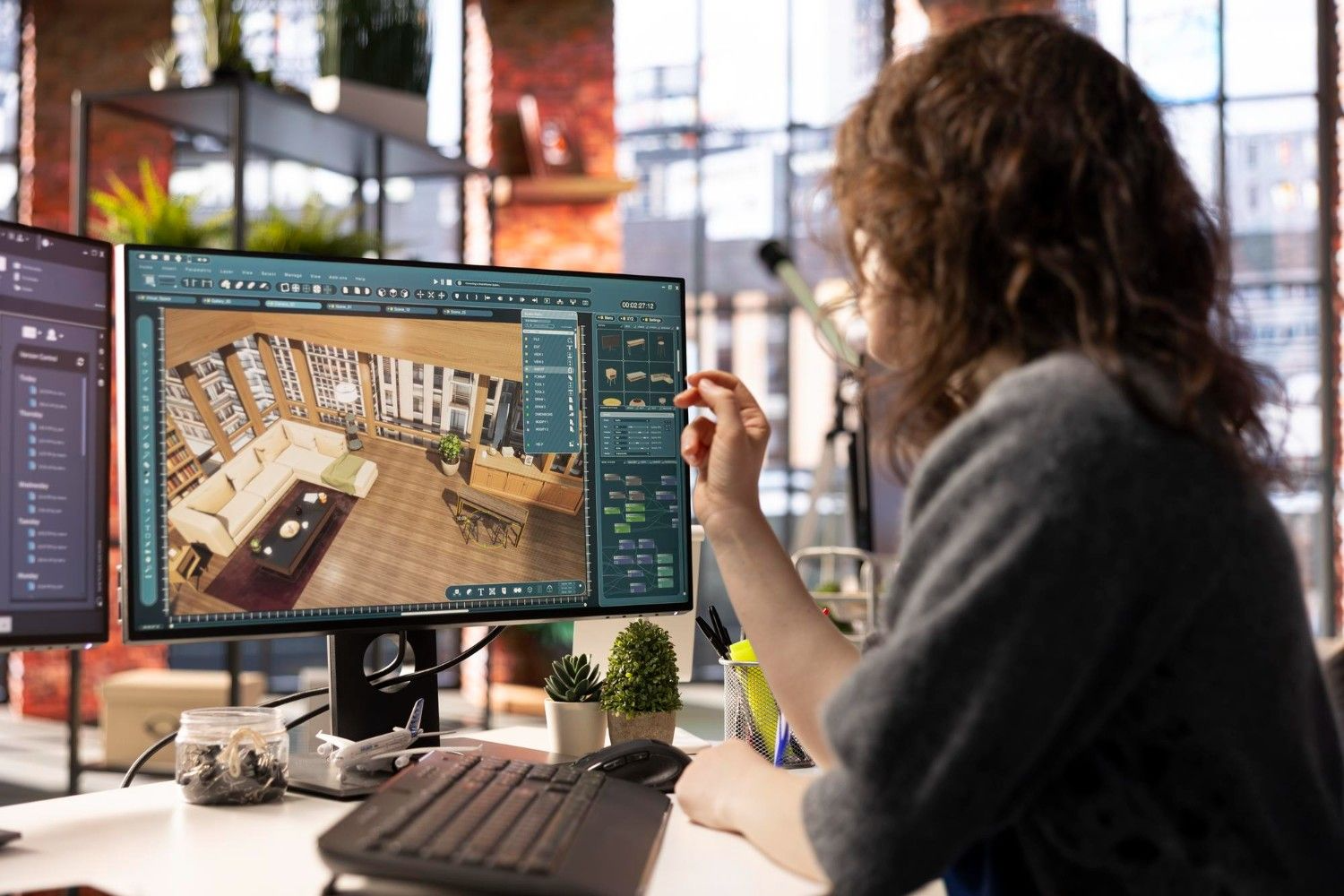
Digital planning tools also play an important role in shaping accurate, functional workplaces.
Benefits of digital design tools include:
- 3D visualisations that provide a clear preview of the final layout
- Simulations that test proportions, circulation paths and desk placement
- Early identification of design challenges, reducing costly mistakes
- More consistent results through precise planning and improved decision-making
These features ensure the workspace functions smoothly, supports productivity and feels well balanced once complete.
Supporting Staff Wellbeing Through Interior Design
Mental wellbeing is essential for sustained productivity. Designers create calm areas where staff can briefly reset during the day. These zones are quieter, softer and often placed away from the busiest parts of the workplace. Having a restorative corner helps prevent burnout and supports balanced energy levels.
Brand identity also plays a part. A workplace that reflects company values through colour, structure and materials helps employees feel connected to the organisation. When the environment aligns with the brand, it reinforces unity and encourages staff pride. This emotional connection leads to stronger engagement and more consistent performance.

Selecting the Right Designer
Choosing the right designer ensures that workplace goals are understood from the outset. Strong communication, technical knowledge and a practical approach to decision-making are essential qualities. Designers must balance creativity with logic, ensuring every choice supports both appearance and function.
Collaboration with skilled trades ensures that the design is executed accurately. Joiners, builders and installation teams translate design intent into long-lasting physical structures. This cooperation produces a workplace that not only looks organised but also performs efficiently in everyday use.
Conclusion
Productive workplaces are shaped through thoughtful design choices that support clarity, comfort and daily organisation. From ergonomic arrangements and balanced lighting to tailored storage and purposeful zoning, every element contributes to smoother routines and stronger performance. When employees feel supported by their environment, they work with greater focus and confidence. Whether updating a single room or rethinking a full commercial space, design remains a powerful tool for improving workplace efficiency. For businesses seeking dependable support with well-planned interiors, AO Builders Cardiff provides solutions tailored to lasting productivity.