
Dental Implants Dubai: Guide to Treatment Steps and Recovery
Dental health is a crucial part of overall well-being. Missing teeth not only affect your smile but can also impact your ability to eat, speak, and maintain proper oral hygiene. Thankfully, modern dentistry offers a reliable solution: dental implants dubai. Dental implants are artificial tooth roots made from biocompatible materials that are surgically placed into the jawbone to support replacement teeth, crowns, or bridges. They provide a permanent, natural-looking solution that restores function and aesthetics.
In this guide, we will walk you through everything you need to know about dental implants, including the treatment process, what to expect during recovery, and tips to maintain your new smile for years to come.
What Are Dental Implants?
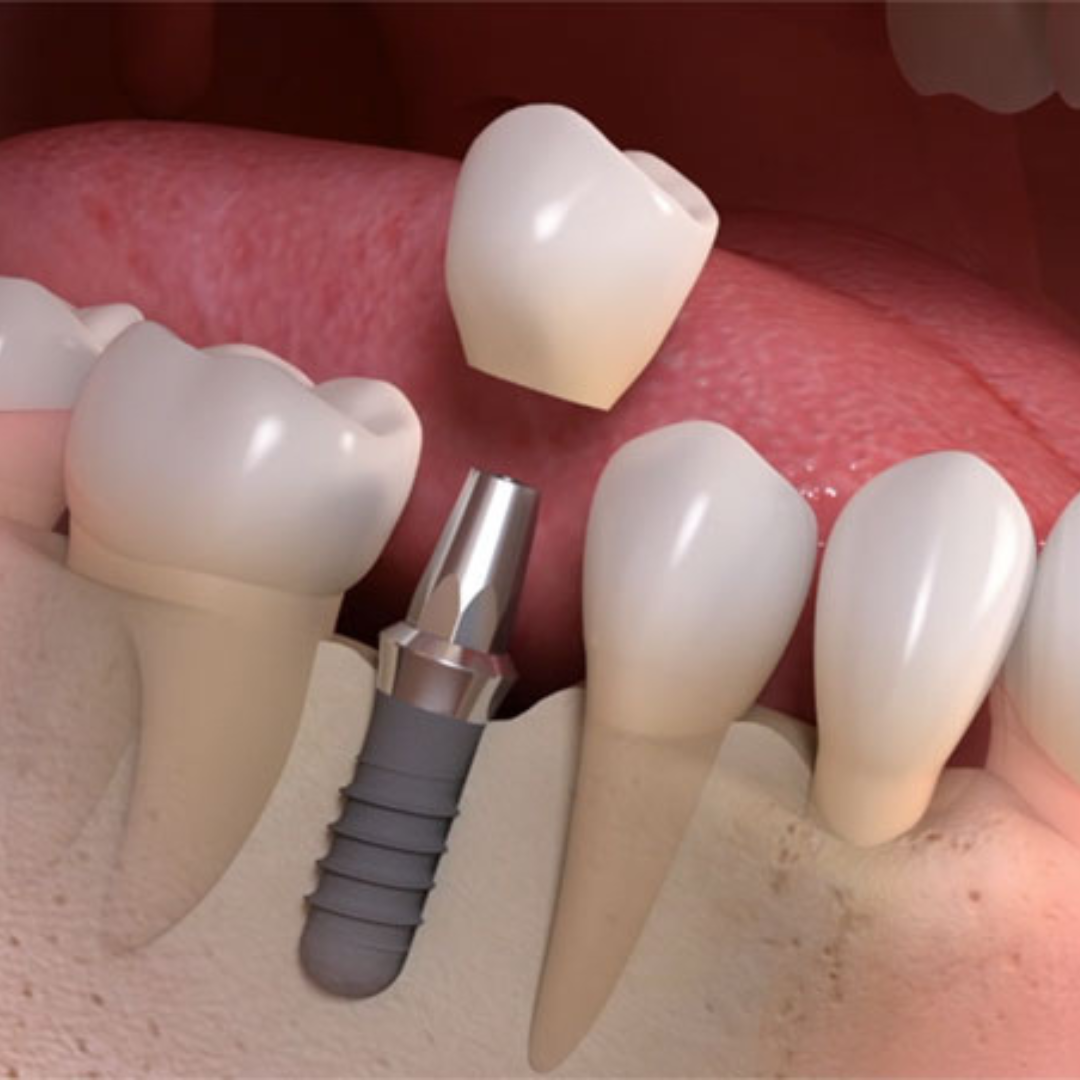
A dental implant is a small titanium post that acts as an artificial root for a missing tooth. Once placed in the jawbone, it fuses with the bone through a process called osseointegration, providing a strong foundation for a crown, bridge, or denture. Unlike traditional dentures, dental implants are permanent and do not slip or cause discomfort.
Dental implants are suitable for people with missing teeth due to injury, decay, or periodontal disease. They are designed to mimic natural teeth in both function and appearance.
Who Is a Good Candidate for Dental Implants?
Not everyone can receive dental implants immediately. Ideal candidates typically have:
-
Good overall health and oral hygiene
-
Sufficient jawbone density to support the implant
-
Healthy gums free from infection or disease
-
Commitment to follow-up care and proper dental hygiene
Certain conditions, such as uncontrolled diabetes, heavy smoking, or severe bone loss, may affect the success of dental implants. In such cases, additional procedures like bone grafting may be required before implant placement.
Step 1: Initial Consultation and Assessment
The first step in the dental implant journey is a comprehensive consultation with a qualified implant specialist. During this visit, the dentist will:
-
Review your medical and dental history
-
Examine your teeth and gums
-
Take X-rays or 3D scans to assess jawbone quality
-
Discuss treatment options, costs, and expected outcomes
This assessment helps the dentist create a personalized treatment plan, ensuring the best results for your specific needs.
Step 2: Pre-Implant Preparations
Before placing the dental implant, your dentist may recommend certain preparatory procedures:
-
Tooth Extraction: If a damaged tooth is present, it may need to be removed before implant placement.
-
Bone Grafting: If your jawbone is not thick or strong enough, bone grafting may be performed to provide a solid foundation for the implant.
-
Sinus Lift: For implants in the upper jaw, a sinus lift may be necessary to create enough space for the implant.
These procedures are crucial for ensuring the implant integrates properly and remains stable for the long term.
Step 3: Dental Implant Surgery
Once the preparations are complete, the actual implant procedure can begin. The surgery is typically performed under local anesthesia, and in some cases, sedation may be used for added comfort.
Procedure steps include:
-
Making a small incision in the gum to expose the jawbone
-
Drilling a precise hole in the bone for the implant
-
Placing the titanium implant into the bone
-
Closing the gum tissue with stitches over the implant
After surgery, a healing period of 3–6 months is usually required for osseointegration, during which the implant fuses with the jawbone.
Step 4: Abutment Placement
After the implant has fully integrated with the jawbone, a small connector called an abutment is attached to the implant. The abutment serves as the base for the crown or prosthetic tooth.
This step may involve a minor surgical procedure to expose the implant if it was covered by gum tissue. Once the abutment is in place, your gums are given a few weeks to heal before the final crown is attached.
Step 5: Placement of the Crown
The final stage involves attaching the custom-made crown to the abutment. Crowns are designed to match the color, shape, and size of your natural teeth, ensuring a seamless appearance.
Modern dental crowns are made from durable materials like porcelain or ceramic, providing a natural look and long-lasting performance. Once placed, the implant functions like a real tooth, allowing you to eat, speak, and smile confidently.
Recovery After Dental Implants
Recovery time varies depending on the complexity of the procedure and your overall health. Here’s what you can expect:
-
Immediate Post-Surgery: Mild swelling, bruising, and discomfort are common. Pain relief medication and antibiotics may be prescribed.
-
First Week: Soft foods are recommended, and chewing should be minimized near the implant site. Oral hygiene should continue with gentle brushing and rinsing.
-
Osseointegration Period: Over the next 3–6 months, the implant gradually fuses with the jawbone. Regular check-ups ensure proper healing.
-
Final Healing: Once the crown is placed, your new tooth is fully functional. Most patients experience little to no discomfort after the final restoration.
Following post-operative instructions is essential for successful healing and long-term implant stability.
Tips for Maintaining Dental Implants
Dental implants are durable, but proper care is necessary to maximize their lifespan. Consider the following tips:
-
Brush twice daily and floss around the implant
-
Use a non-abrasive toothpaste to avoid scratching the crown
-
Schedule regular dental check-ups and cleanings
-
Avoid hard or sticky foods that may damage the crown
-
Quit smoking, as it can interfere with bone healing
With proper care, dental implants can last for decades, making them one of the most reliable solutions for missing teeth.
Benefits of Dental Implants
Dental implants offer several advantages over other tooth replacement options:
-
Natural Appearance: They look and feel like real teeth
-
Durability: Implants can last a lifetime with proper care
-
Improved Function: Restore chewing and speaking abilities
-
Bone Preservation: Prevent jawbone loss and facial sagging
-
Comfort: No slipping or irritation like dentures
Because of these benefits, dental implants are often considered the gold standard in tooth replacement.
Potential Risks and Complications
Like any surgical procedure, dental implants carry some risks, although complications are rare:
-
Infection at the implant site
-
Nerve damage causing numbness or tingling
-
Sinus problems for upper jaw implants
-
Implant failure if osseointegration does not occur
Choosing an experienced implant specialist and following post-surgery care instructions significantly reduces these risks.
Cost of Dental Implants in Dubai
The cost of dental implants in Dubai can vary depending on factors such as the number of implants, type of restoration, and any preparatory procedures like bone grafting. On average, a single implant can cost between AED 7,000 and AED 15,000. While this may seem high initially, dental implants offer long-term value compared to dentures or bridges, which may require frequent replacements.
Many dental clinics in Dubai offer flexible payment plans or financing options to make treatment more accessible. It’s essential to discuss all costs during the initial consultation to avoid surprises.
Choosing the Right Dental Implant Specialist in Dubai
Selecting the right dentist is crucial for a successful implant procedure. Look for a specialist who:
-
Has extensive experience in dental implant surgery
-
Uses advanced technology for precise placement
-
Provides clear treatment plans and explanations
-
Maintains a sterile, comfortable clinic environment
-
Offers post-treatment care and follow-up appointments
A well-chosen dental implant specialist ensures a smooth procedure, faster recovery, and long-lasting results.
Conclusion
Dental implants are a highly effective and permanent solution for missing teeth, offering improved appearance, function, and confidence. By understanding the treatment steps, from consultation and preparatory procedures to surgery, abutment placement, and crown attachment, you can approach the process with clarity and confidence. Recovery may take several months, but following your dentist’s instructions and maintaining proper oral hygiene ensures excellent long-term results.
For anyone considering dental implants cost in dubai, consulting with an experienced specialist is essential. Dr. Philippe Chanavaz’s clinic provides comprehensive implant services, personalized treatment plans, and post-operative care to help you achieve a healthy, natural-looking smile. Investing in dental implants today can transform not only your smile but also your overall oral health and quality of life.