
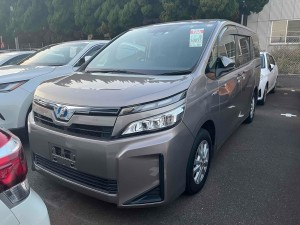
From Auction House to Driveway: Understanding the Import Journey
Bringing a car from Japan to your home country looks hard at first. Many people want to try it, but they do not know how the full process works. The truth is simple. With the right steps, the right checks, and the right dealer, anyone can enjoy a clean and well-kept car straight from Japan. This guide explains the full journey, from the auction house to your driveway, in easy words.
Many buyers today want japanese imported cars in pakistan because they see better quality, better fuel use, and better care. But every buyer also wants trust. They want to make sure they pick the right path when they import a car. This blog tells the real process in simple steps so you can follow it with ease.
What Are Japanese Car Auctions?
Japanese car auctions are large places where thousands of cars are sold every week. These cars come from past owners, companies, and rental groups. Each car is checked and graded. A trained inspector looks at the body, the engine, the drive feel, and the inside. Then the inspector writes a full report. Buyers like these auctions because they can see the true condition of the car.
Why Do Buyers Trust Japanese Auctions?
-
Clear reports
-
Honest grades
-
Real photos
-
Safe bidding
-
No hidden tricks
These points make auctions the most trusted source for quality used cars.
Step 1: Finding a Trusted Agent
To take part in the auction, you need a registered agent or dealer in Japan. You cannot join alone. A good agent has years of work in the field. They know how to check cars well. They know how to bid the right price. They tell you what is good and what is not.
How a Good Agent Helps
-
Checks the car on site
-
Shares real info
-
Gives price advice
-
Helps with papers
-
Keeps the process clean
A trusted agent is the start of a safe import.
Step 2: Choosing the Right Car
At this stage, the buyer looks for a car that meets their needs. Small cars. Big cars. Hybrid cars. Family cars. Japan has all types. The auction sheet helps you see the real story of the car.
What You Should Check
-
Mileage
-
Body grade
-
Engine grade
-
Full report notes
-
Past repairs
Even a small note on the sheet matters. Good agents explain the sheet in simple words so you know the truth.
Step 3: Bidding at the Auction
The agent starts the bid when the car goes live. Each bid lasts only a few seconds. If the bid wins, the car is yours. If you lose, you wait for the next car.
What Affects Auction Prices
-
Brand
-
Demand
-
Condition
-
Mileage
-
Model year
Bidding is fast. But a smart agent knows how to set the right limit.
Step 4: Export and Shipping
This is the part where many buyers get confused. But the steps are simple.
Export Steps
-
Car moves from auction yard to the port.
-
Export papers are made.
-
The Japan side checks the car.
-
The car is loaded on the ship.
Shipping Options
-
RoRo (Roll-on Roll-off): Low cost, fast loading.
-
Container: Higher cost but safer storing.
Each option has its own use, and a good dealer helps you pick the right one.
Step 5: Arrival at Your Country
Once the car reaches your port, local steps begin. These steps differ by country, but the goal is the same: clear the car and take it home.
Common Steps After Arrival
-
Pay duty
-
Pay tax
-
Local check
-
Registration
-
Number plate
After this, the car is ready for the road.
Why the Import Journey Feels Safe
The process feels safe because Japan uses clean systems. Auction sheets are trusted. Grades are fair. Cars are kept with care. This makes buyers feel safe and happy while shipping their cars across the world.
What Helps Build Trust
-
True reports
-
Full check
-
Clear papers
-
Good agents
-
Clean history
These points add to the trust value.
Tips for First-Time Buyers
Start Small
Pick a small and simple car if you are new. You learn the process better this way.
Read the Auction Sheet Slowly
Do not rush. Every small line has meaning.
Ask for More Photos
Real photos help you see what the report says.
Check Duty Rules
Every country has its own rules. Learn them early.
Follow Clear Payment Steps
A trusted dealer gives clear payment rules.
What You Should Avoid
Do Not Rush the Process
Take time to pick the right car.
Do Not Trust Fake Sheets
Some sellers outside Japan edit sheets. Always use real auction data.
Do Not Choose Very Cheap Deals
Very low prices often mean low quality or hidden issues.
Do Not Ignore Your Agent’s Advice
Good dealers know the system. Their advice saves you from mistakes.
How the Journey Ends
The journey ends when you drive your car home. You now have a clean, checked, and graded car that came from one of the most trusted markets in the world. Many buyers say the effort was worth it. They enjoy the smooth drive, low fuel use, and long life of Japanese cars.
In fact, many importers follow the same steps when dealing with Japanese car auctions for Pakistan because the demand for clean cars is always high.
In the end, a trusted brand like Nobuko Japan makes the whole journey easy. They help from the first call to the final handover. They guide with clear steps, real reports, and full support so buyers can enjoy a smooth and safe import experience.
FAQs
1. How long does it take to import a car from Japan?
Most shipments take 4 to 8 weeks. It depends on the ship schedule and your port rules.
2. Are Japanese auction sheets real and trusted?
Yes. Japan uses strict checks. The sheets are made by trained inspectors.
3. Can a first-time buyer take part in an auction?
Yes. But you need a registered agent in Japan to bid for you.
4. Is shipping in a container safer?
Yes. A container gives more safety. But it costs more than RoRo.
5. Do all cars from Japan have low mileage?
Not all. But many cars do have low mileage because Japan has strong care rules and shorter drive needs.