
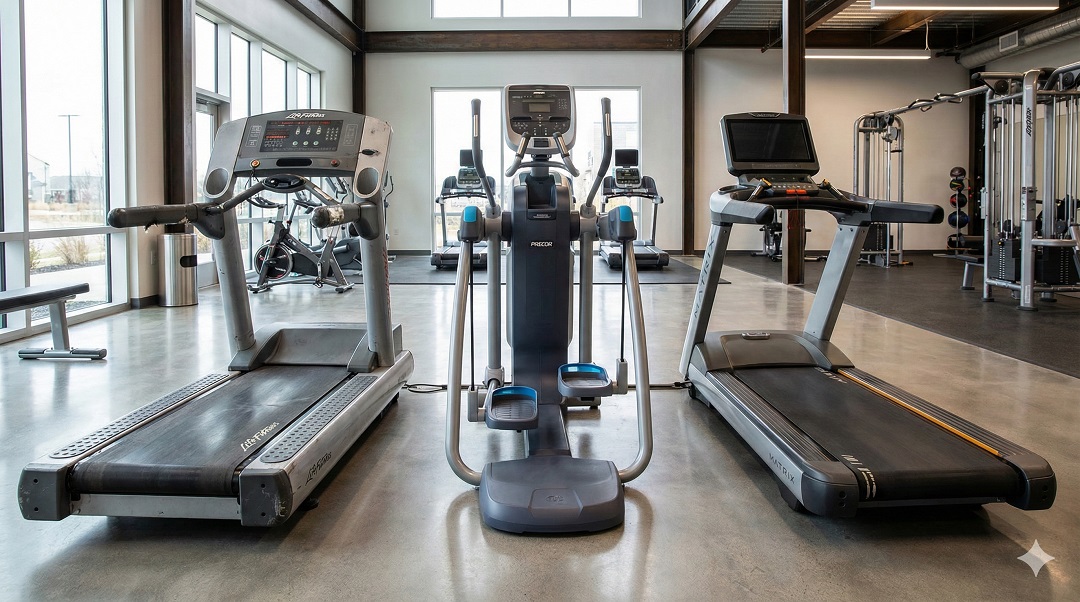
Used, Refurbished, or Remanufactured Gym Equipment — Making the Right Call Without Regret
A new setup always feels exciting. But when the price tag hits, reality steps in. That is where the choice between used, refurbished, and remanufactured gym equipment starts to matter. The decision is not only about cost. It shapes safety, performance, and peace of mind. And yes, getting it right saves future headaches.
A quick reality check before choosing
Most gyms and home trainers do not need factory-fresh machines. What they need is reliability. Stability. Smooth performance. The good news? Each option has merit. The difference lies in expectations and long-term use.
Used Equipment: The honest, as-is option
Used gym equipment means exactly what it says. Someone owned it before. No upgrades. No part replacement. No cosmetic fixes.
This choice suits:
- Short-term setups
- Tight budgets
- Trial runs for new fitness spaces
But there is a risk. Bearings may wear out. Frames may weaken. Cables might stretch. Always inspect in person. Check noise during motion. Look for rust or uneven resistance.
Experts from NSCA often stress one point: mechanical wear directly affects workout form and injury chances. That detail matters more than people admit.
Used can be smart. But only after a detailed check.
Refurbished Equipment: Professionally refreshed
Refurbished machines sit in the middle ground. They go through technical servicing. Worn components get replaced. Surfaces receive cosmetic repairs. But the base structure stays original.
This suits:
- Moderate budgets
- Boutique gyms
- Regular home users
You get better reliability without paying new-equipment prices. Sellers usually provide limited warranties. That adds reassurance.
But a small note. Refurbishment quality varies by provider. Some only replace surface parts. Some rebuild performance systems too. Asking for a repair checklist always helps.
When people buy gym equipment from refurbished sources, they often secure a sweet spot between cost and durability.
Remanufactured Equipment: Deep-level restoration
Remanufactured equipment undergoes a full technical overhaul. Every core part is inspected, repaired, or replaced. It often meets factory specifications. In some cases, performance becomes better than the original model.
This option works best for:
- Commercial gyms
- High-traffic fitness studios
- Long-term investments
It feels close to new but costs far less. Most remanufactured machines come with strong warranties and safety certifications.
According to standards referenced by ACSM, equipment with certified structural integrity reduces long-term maintenance risk and injury probability. That’s a big advantage for professional environments.
So how does one actually decide?
Here’s the practical thinking lens:
Budget vs safety expectation
- Low budget and light use? Used might work.
- Stable budget and regular use? Refurbished feels safer.
- Premium safety and longevity? Remanufactured wins.
User volume
Home workouts differ from gym footfall. More people means more wear. Simple.
Maintenance tolerance
Anyone not keen on frequent repairs should lean toward refurbished or remanufactured.
Space purpose
Temporary setup? Go basic. Permanent gym? Invest wisely.
When people buy gym equipment without mapping these aspects, regret arrives quietly later.
The emotional side nobody talks about
There is comfort in smooth motion. In quiet operation. In knowing that a squat rack will not wobble mid-set. That confidence changes how people train. It improves focus. And oddly enough, consistency grows too.
Ever noticed how frustrating a noisy treadmill becomes after a week? Exactly.
Small checklist to follow before purchase
- Ask for service history
- Check warranty duration
- Inspect moving joints
- Confirm certification
- Request usage records
- Test the machine personally
Skipping these steps often leads to hidden repair costs later.
Final thought
Choosing gym equipment is not just transactional. It reflects how seriously fitness is taken. Used, refurbished, and remanufactured each serve a purpose. The key lies in clarity. Match the equipment with goals. Respect safety. Think long term. And yes, that makes every workout smoother.