
Why Knee Cartilage Damage Happens and the Best Ways to Repair It
A healthy knee is essential for an active life, allowing smooth, effortless motion for everything from walking to exercising. At the heart of this function lies the cartilage, a resilient cushion that prevents bone-on-bone friction. Unfortunately, this vital tissue is vulnerable. Daily wear and tear, the passage of time, or an unexpected sports injury can damage it, leading to pain and restricted movement.
In India, where activity levels vary widely, there is a growing need for early, accurate diagnosis and access to modern, effective treatment options. This blog breaks down the reasons behind cartilage damage, the symptoms you shouldn’t ignore, and the best current methods available to repair your knee.
What is Knee Cartilage, and Why Does it Break Down?
Knee cartilage is the smooth, rubber-like tissue that covers the ends of bones, allowing them to glide without friction. It acts as a natural shock absorber every time you walk, run, or squat. The knee mainly has two types of cartilage: articular cartilage, which coats bone surfaces, and the meniscus, which helps with load distribution.
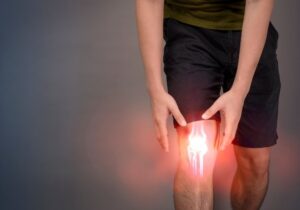
The challenge is that cartilage has very little blood supply, which means it cannot heal quickly on its own. When it gets damaged due to wear, injury, or pressure, the body struggles to repair it. Over time, even a small injury can turn into a persistent problem, affecting movement and comfort.
Common Culprits: Causes of Cartilage Wear and Tear
Cartilage breakdown rarely happens overnight. Often, several factors come together and gradually wear it down.
- Ageing & Wear-and-Tear: As we age, the cartilage becomes thinner and loses its ability to absorb shock. Years of walking, climbing stairs, or sitting cross-legged contribute to natural degeneration.
- Sports Activities & Sudden Injuries: Running on hard surfaces, sudden twists, jumps, or falls during sports can injure cartilage directly. Athletes often face overload or impact-related damage.
- Obesity & High Joint Load: Excess body weight puts extra pressure on knee cartilage. Studies show that every additional 1 kg of body weight adds nearly 4 kg of pressure on the knee joint during activities like walking.
- Poor Muscle Strength & Imbalance: Weak thigh and hip muscles fail to support the knee properly. This imbalance increases friction inside the joint, stressing cartilage over time.
- Previous Knee Injuries: ACL tears, ligament sprains, and meniscus injuries can change knee mechanics. This leads to uneven pressure, making cartilage more vulnerable to damage.
- Genetic or Structural Factors: Some people naturally have slight knee malalignment, such as bow legs or knock knees. This causes uneven load distribution, accelerating cartilage breakdown.
During this stage, many patients choose to meet an orthopaedic surgeon or a trusted local specialist to understand the exact cause and prevent worsening.
When Should You Consult a Specialist?
It is easy to dismiss minor knee pain as temporary soreness, but persistent symptoms are your body’s signal that something serious is happening inside the joint. If you experience any of the following symptoms lasting more than a few weeks, it is time to seek expert help:
- Persistent pain that worsens with movement, especially walking, climbing stairs, or standing for long periods.
- Swelling or Stiffness in the knee joint, particularly when waking up or after extended rest.
- A Grinding, Clicking, or cracking sensation (crepitus) when you bend or straighten the knee.
- A sensation of the knee locking or catching when you walk, suggesting a loose piece of cartilage or a meniscal tear is momentarily jamming the joint.
When these symptoms start to affect your daily routine and quality of life, it’s crucial to consult a specialist. Early intervention is key to preserving the joint. If you are in Gujarat, finding a qualified professional is the priority; many patients benefit greatly from seeing an experienced orthopaedic surgeon in Ahmedabad to get a precise diagnosis.
How Doctors Diagnose Knee Cartilage Damage
Diagnosis usually starts with a detailed physical examination to check pain points, movement restrictions, and joint stability. Doctors may then order imaging tests:
- X-rays to study joint spacing and alignment
- MRI scans to see the exact condition of cartilage, meniscus, and soft tissues
Early diagnosis helps prevent long-term joint degeneration and ensures that treatment begins at the right stage.
The Best Ways to Repair Knee Cartilage
1. Lifestyle Corrections & Early-Stage Management
In many early cases, simple changes can significantly ease symptoms.
- Weight Control: Reducing body weight lowers pressure on the knees, slowing further cartilage deterioration.
- Low-Impact Activities: Cycling, swimming, and brisk walking help maintain joint movement without adding stress.
- Physiotherapy: Strengthening the quadriceps, hamstrings, and hip muscles improves knee alignment and reduces uneven pressure.
During such early-stage treatment, doctors often recommend coordinating with an orthopaedic surgeon if the condition requires ongoing monitoring or specialised exercises.
2. Non-Surgical Medical Treatments
When discomfort continues despite lifestyle changes, doctors may use medical treatment to support healing.
Medications: Anti-inflammatory medicines help manage pain and swelling.
Injection Therapies
- Viscosupplementation (Hyaluronic Acid): Restores lubrication inside the knee
- Platelet-Rich Plasma (PRP): Uses the patient’s own platelets to support tissue healing
These are helpful for mild to moderate cartilage damage where replacement surgery is not yet needed.
3. Minimally Invasive Procedures
For targeted cartilage defects, minimally invasive surgical methods offer good results.
- Arthroscopy: Doctors insert a tiny camera and tools into the knee to remove loose cartilage fragments or smooth damaged areas.
- Microfracture Technique: Small holes are made in the bone beneath the damaged cartilage to stimulate new tissue formation. This works best for small, isolated defects in younger individuals.
4. Regenerative & Advanced Cartilage Repair Techniques
These treatments aim to repair or grow new cartilage using modern biological methods.
- Stem-Cell-Based Repair: Stem cells taken from the bone marrow or fat tissue may help regenerate damaged cartilage when injected or implanted into the injured area.
- Matrix-Induced Cartilage Regeneration (MACI): A patch seeded with a patient’s own cells is placed over the defect. This helps create new cartilage-like tissue.
Such treatments are ideal for young or middle-aged patients with specific cartilage defects who wish to delay major surgery.

Damage Type v/s Best Repair Option
| Cartilage Damage Type | Severity | Ideal Repair Method |
| Minor wear-and-tear | Mild | Physiotherapy + lifestyle correction |
| Localised cartilage defect | Moderate | Arthroscopy / regenerative therapy |
| Multiple cartilage lesions | Moderate–Severe | Biologic repair procedures |
| Advanced cartilage loss | Severe | Partial or total knee replacement |
For severe cases, approaching the best doctor for knee replacement surgery in Ahmedabad helps patients understand whether they need partial or total replacement and what outcomes to expect.
Conclusion
Knee cartilage damage is a common concern, but living with chronic pain is no longer necessary thanks to advancements in orthopaedic care. From simple lifestyle adjustments and regenerative therapies to modern knee replacement surgery, effective solutions are available for virtually every type and severity of damage. Taking prompt action upon noticing persistent symptoms is crucial to maintaining your joint health and mobility for years to come. For expert guidance on your knee pain and to discuss cutting-edge treatment options, you may also consult Dr. Meet Mehta for trusted orthopaedic care.