Guide to Leather Types Used in Manufacturing Stylish Jackets
Have you ever thought of why two leather jackets that look almost the same may feel so different? The leather is what makes it work. Different stories exist regarding how each type of leather was tanned, where it originated from, and how it changes the jacket’s appearance. We constantly remember that leather is more than simply a material when we make something at AU LeatherX. It’s a person. If you use the correct quality of leather, such as soft lambskin or strong cowhide, your simple design could last forever.
Understanding Leather in Jacket Manufacturing
Leather isn’t just about fashion; it’s about craftsmanship and purpose. The kind of leather chosen decides everything, from the jacket’s texture and weight to how it feels after years of wear. Think of it like choosing wood for furniture; some are soft and refined, others strong and rugged. That’s exactly why premium brands pay attention when crafting biker jackets for women; they need leather that’s both durable and flexible enough to move comfortably while keeping that bold, confident edge.
The Role of Tanning in Leather Quality
Tanning is where raw hide becomes wearable luxury. Two major tanning methods dominate: vegetable tanning and chrome tanning.
- Vegetable-tanned leather uses organic tree bark and natural tannins. It’s stiffer at first but ages into a deep, rich tone with character.
- Chrome-tanned leather, on the other hand, uses chemicals to speed things up. It is softer, doesn’t soak up water, and is a popular choice for stylish jackets.
Vegetable tanning is the best choice if you want leather that lasts and is good for the environment. But if you favor soft, flexible styles that are ready to wear right away, chrome-tanned leather can be the ideal choice for you.
How Leather Grains Define Texture
You’ve probably heard terms like “full-grain” or “top-grain” tossed around, but here’s what they really mean:
| Grain Type | Description | Best For |
| Full-Grain | Top layer with natural marks and imperfections. The strongest and most authentic. | Premium jackets and heritage styles |
| Top-Grain | Slightly sanded for smoothness. Still durable but softer to the touch. | Every day wear and sleek fashion looks |
| Corrected-Grain | Buffed and embossed to hide flaws. Less expensive but less breathable. | Affordable fashion pieces |
| Split Leather | Lower layers of hide; often turned into suede. | Casual jackets and budget styles |
Each grain type tells its own story. Full-grain feels real and unfiltered, while top-grain offers that refined, polished finish most people love.
Popular Leather Types Used for Stylish Jackets
Cowhide Leather: The Classic Power Choice
People normally think of cowhide when they think of a classic leather jacket. It is thick, protective, and is meant to last for many years. Bikers appreciate it because it is actually strong, not just looks strong. It’s the kind of leather that breaks in slowly but rewards you with unmatched durability.
Sheepskin Leather: Soft Luxury
Sheepskin feels like butter in your hands, soft, flexible, and warm. It’s great for winter clothes and shearling coats. One of the coziest textiles ever manufactured is wool, which traps heat inside.
Why it works: Sheepskin has natural insulation, meaning you get warmth without heaviness. It’s ideal for people who love a jacket that feels as good as it looks.
Goatskin Leather: Durable Yet Flexible
Goatskin is kind of a middle ground, tougher than lambskin but more flexible than cowhide. It’s naturally water-resistant, which makes it perfect for bomber or field jackets. Over time, it develops a unique pebbled texture that adds character.
Lambskin Leather: High-End Fashion Favorite
If you’ve ever tried on a jacket that felt impossibly smooth, it was probably lambskin. It’s luxurious, lightweight, and drapes beautifully on the body. This is the go-to leather for high-end fashion houses.
Buffalo Leather: Rugged and Textured
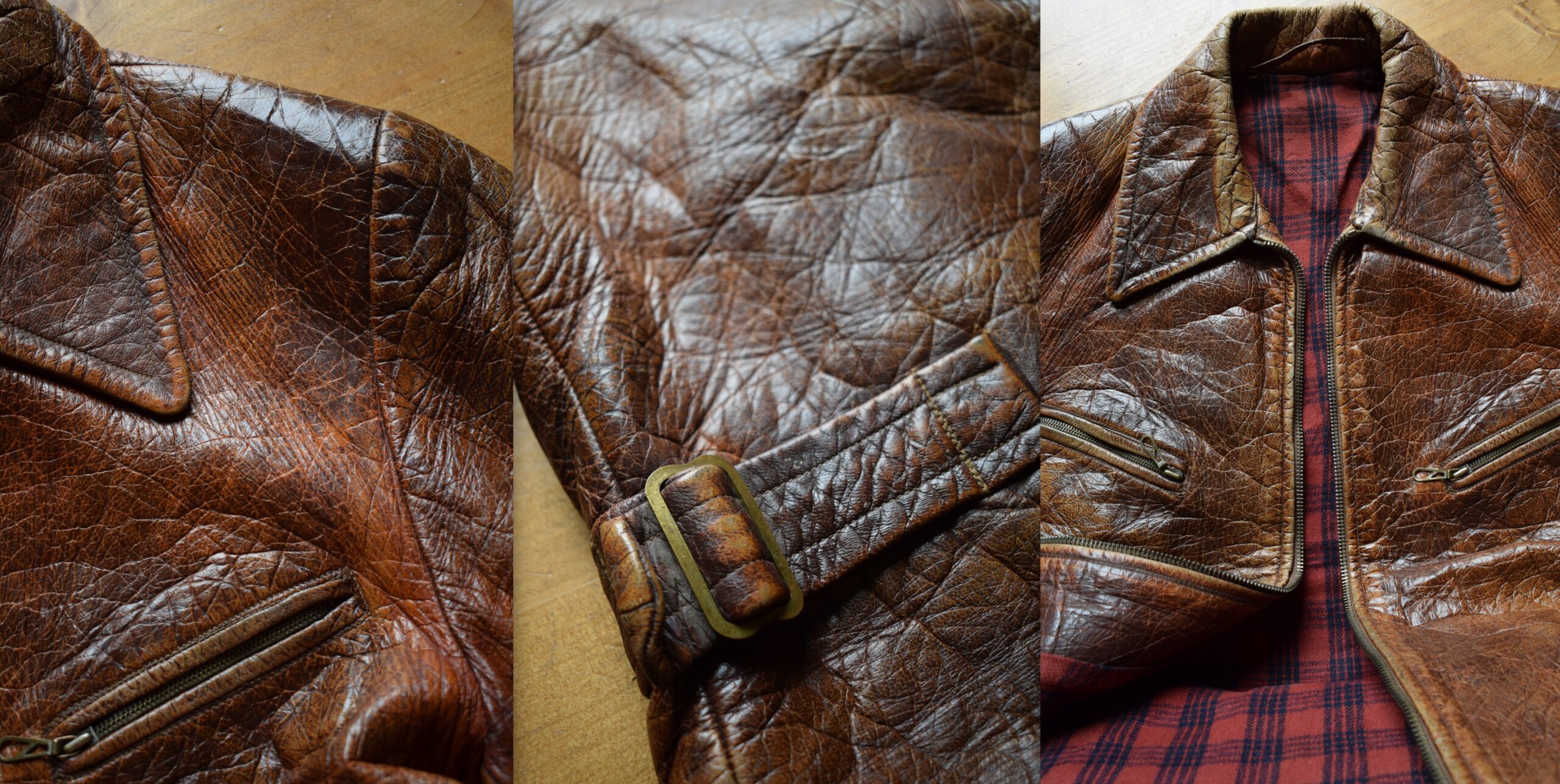
For those who like their jackets bold and tough, buffalo leather is the real deal. It’s coarse, thick, and built to last. The irregular grain gives it a naturally worn look that looks fantastic on motorcycle jackets for men and women who like vintage styles.
Suede and Nubuck Leather: Refined Texture Choices
Both suede and nubuck have that soft, velvety feel people can’t resist.
- Suede is made from the underside of the hide, giving it a plush texture.
- Nubuck is made by sanding the top-grain layer for a more durable, velvet-like surface.
They’re beautiful but a little high-maintenance. Keep them away from rain, and they’ll reward you with unmatched sophistication.
Exotic and Premium Leather Types
Calfskin: Smooth and Sophisticated
Calfskin has a smooth, consistent grain and a finish that is a little shiny. It’s not too thick or too thin, so it’s a good choice for blazers and dressier leather coats.
Expert Insight: Calfskin is less likely to wrinkle than lambskin, so it’s great for designs that are polished and fit well.
Deerskin: Naturally Supple and Strong
People usually like deerskin leather because it is supple, like a glove, and lets air flow through it. It’s often used in custom jackets or limited-edition pieces because it’s rare and costly. The bonus? It adjusts to your body shape over time, almost like a second skin.
Kangaroo, Alligator, and Ostrich Leather
These are the heavyweights of the luxury segment. Kangaroo leather is lighter than cowhide but stronger. Alligator and ostrich leather have unique designs that make them stand out. Ethical sourcing is very important because most brands now get sustainability certifications before they start making things.
Synthetic Alternatives and Sustainable Innovations
Not every jacket has to come from an animal source. Modern fashion has opened the door to incredible alternatives.
- PU Leather (Polyurethane): Affordable, cruelty-free, and stylish for short-term wear.
- Microfiber and recycled leather are made from scraps of leather and other materials that would otherwise go to waste.
- Plant-Based Leathers: Made from mushrooms, apples, or cactus fibers, the future of sustainable fashion.
Why it works: They give the same visual appeal without the ethical conflict or cost of genuine leather.
Choosing the Right Leather for Style and Purpose
Here’s a quick cheat sheet if you’re shopping or designing your own jacket:
| Purpose | Best Leather Type | Reason |
| Everyday Wear | Top-grain or sheepskin | Soft, comfortable, and easy to maintain |
| Riding or Biker Jackets | Cowhide or buffalo | Strong protection and long life |
| Luxury or Fashion Wear | Lambskin or calfskin | Smooth texture and premium finish |
| Casual Chic | Suede or nubuck | Stylish, lightweight, and soft |
Maintenance Tip: Always condition your jacket once or twice a year. Avoid hanging it in direct sunlight, and if it gets wet, just let it air dry naturally.
Final Thoughts
When you pick the right kind of leather, it’s not just about the feel; it’s also about who you are. The fabric that makes up a jacket is the first item that conveys the story of the jacket. If you know about leather, you can make better choices on what to wear, whether you favor the roughness of buffalo or the softness of lambskin. The next time you wear a leather jacket, take a moment to notice how it smells, feels, and looks. That’s not just clothes; it’s art that you wear.