
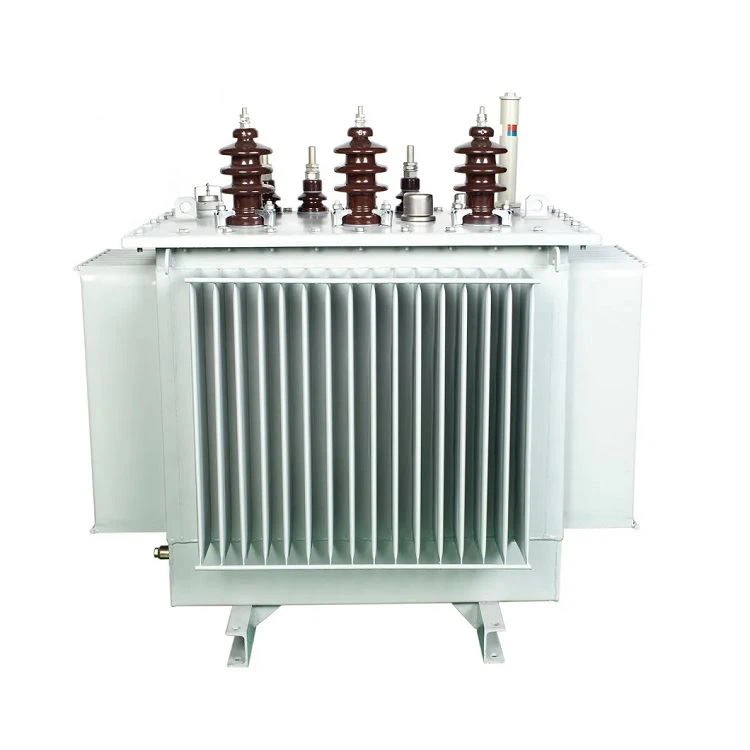
25 kVA Transformer in Electrical Distribution Networks
A 25 kVA transformer is one of the most widely used and reliable distribution transformers in many regions, especially in residential and semi-urban areas. It plays a key role in supplying safe, stable, and efficient electricity to homes, shops, small commercial buildings, and rural areas. Because the demand for electricity is increasing every year, the importance of a properly selected and maintained 25 kVA transformer becomes even more significant.
In many electrical distribution networks, the 25 kva transformer is preferred due to its size, power capacity, and suitability for different consumer loads. It is cost-effective, easy to install, and requires less maintenance compared to larger transformers. This is why utilities, contractors, and infrastructure developers rely on these transformers for small-scale distribution needs.
1. Introduction to Distribution Transformers
Distribution transformers are devices that step down high-voltage electricity from the main power lines into lower voltages that can be used safely in homes and commercial spaces. They work continuously, 24 hours a day, delivering steady power without interruptions.
A 25 kVA transformer falls under the category of small distribution transformers. It is typically used in areas where the load requirement is moderate, such as small residential clusters, farmhouses, local shops, or village households.
Why Distribution Transformers Are Important
-
They make electricity safe to use
-
They reduce voltage to usable levels
-
They help supply power to remote and rural areas
-
They ensure steady and stable power supply
-
They protect electrical appliances from high-voltage damage
Distribution transformers, even though they appear simple from the outside, contain advanced engineering and design elements that help them perform efficiently for many years.
2. Understanding the 25 kVA Transformer
A 25 kVA transformer has a rating that defines how much load it can handle. “kVA” stands for kilovolt-ampere, which is a measure of the transformer’s capacity. A 25 kVA rating means the transformer can safely handle a load equal to 25,000 volt-amperes.
Where 25 kVA Transformers Are Used
These transformers are commonly found in:
-
Small residential areas
-
Rural and semi-urban distribution lines
-
Farmhouses, agricultural pumps, and irrigation points
-
Local shops and marketplaces
-
Small offices and commercial spaces
-
Streetlight distribution networks
-
Compact industrial setups with small load requirements
Because of their size and efficiency, 25 kVA transformers are easy to install on poles, plinths, or small substations.
3. Key Features of a 25 kVA Transformer
A 25 kVA transformer includes several important features that make it one of the most preferred choices in distribution networks.
3.1 High Efficiency
Due to its small size and optimized design, the power loss is very low. It performs efficiently even during continuous operation.
3.2 Compact and Lightweight
It is easier to transport, install, and maintain compared to large transformers. Utility companies often mount these transformers on poles.
3.3 Long Operational Life
Most 25 kVA transformers have a lifespan of 20–25 years when maintained properly.
3.4 Low Noise Level
They generate very little vibration and noise, which makes them suitable for residential and quiet areas.
3.5 Safe and Reliable
These transformers are designed with proper insulation, protection features, and robust construction to prevent failures and accidents.
4. Technical Specifications of a 25 kVA Transformer
While specifications may vary from one manufacturer to another, the basic technical characteristics remain similar.
Typical Technical Parameters
-
Capacity: 25 kVA
-
Primary Voltage: 11 kV or 33 kV (depending on the distribution line)
-
Secondary Voltage: 433 V / 415 V
-
Frequency: 50 Hz
-
Cooling Type: ONAN (Oil Natural Air Natural)
-
Phase: Usually 3-phase
-
Insulating Oil: Mineral oil or upgraded eco-friendly oil
-
Vector Group: Dyn11 (commonly used in India)
Efficiency Standards
Approved manufacturers follow BIS (Bureau of Indian Standards) norms like:
-
IS 1180 (Part 1)
-
Eco-level efficiency ratings
-
Energy-efficient design principles
5. Construction of a 25 kVA Transformer
To understand how it works, let’s explore its important components.
5.1 Core
The core is made of high-grade silicon steel laminations. It helps reduce energy loss and improves efficiency.
5.2 Windings
Copper or aluminum windings convert high-voltage electricity to lower voltage. Copper windings are more efficient and preferred for long-term reliability.
5.3 Insulating Oil
Mineral oil acts as a coolant and insulation medium. It prevents overheating and extends the life of internal parts.
5.4 Tank and Radiators
The outer tank contains the core and windings. Some models have radiator fins for better cooling.
5.5 Bushings
These are insulated terminals that connect the transformer to incoming and outgoing electrical lines.
5.6 Conservator & Breather (If Present)
Some transformers include a conservator tank for oil expansion and a silica gel breather to maintain moisture-free air.
6. How a 25 kVA Transformer Works
The working principle is simple yet powerful:
-
High-voltage electricity enters the transformer through the primary winding.
-
Magnetic induction transfers this electrical energy to the secondary winding.
-
The voltage is reduced to a safer level, usually 415/433 V.
-
Electricity is distributed to homes and businesses through low-tension lines.
The transformer continuously balances the load, manages voltage variations, and protects connected appliances.
7. Advantages of Using a 25 kVA Transformer
7.1 Cost-Effective Solution
It provides an economical option for small and medium-scale electricity distribution.
7.2 Easy Installation
Pole-mounted installation makes it ideal for areas with limited space.
7.3 Low Maintenance
Thanks to its simple design, it requires minimal maintenance.
7.4 Suitable for Rural Electrification
Many village electrification projects use these transformers because they are reliable and efficient.
7.5 Supports Multiple Consumers
A single 25 kVA transformer can support:
-
8–10 households in rural areas
-
5–7 households with heavy appliance usage in urban areas
-
A small commercial cluster
7.6 Reduced Energy Losses
The transformer is engineered to minimize copper loss and iron loss, improving overall performance.
8. Installation Requirements
Installing a 25 kVA transformer involves following certain safety and technical guidelines.
8.1 Pole or Plinth Installation
Depending on the area, it may be:
-
Mounted on a double-pole structure
-
Installed on a concrete plinth
-
Installed on a compact substation
8.2 Earthing is Essential
Proper earthing protects from electric shocks, lightning, and faults.
8.3 Maintaining Safe Clearance
There must be sufficient distance between the transformer, public space, and nearby buildings.
8.4 Fencing and Protection
Fencing protects the transformer from vandalism, animals, and accidental contact.
9. Maintenance of a 25 kVA Transformer
Even though it requires less maintenance, regular check-ups improve performance and lifespan.
Maintenance Checklist
-
Check oil level
-
Test oil quality
-
Inspect bushings
-
Tighten all connections
-
Remove dust and debris
-
Check for leaks
-
Inspect earthing connections
-
Ensure protection devices are working
Annual Testing
-
Insulation resistance test
-
Turns ratio test
-
Winding resistance test
-
Load check test
Proper maintenance helps avoid failures, breakdowns, and costly repairs.
10. Common Applications of 25 kVA Transformers
10.1 Residential Areas
Provides stable electricity to homes, apartments, and gated communities.
10.2 Small Commercial Areas
Shops, schools, clinics, and small offices often depend on these transformers.
10.3 Agricultural Use
Farm pumps, irrigation systems, and rural industries rely on 25 kVA transformers.
10.4 Street Lighting
Often used for powering municipal and highway streetlights.
10.5 Temporary Construction Sites
Construction companies use these transformers for powering tools and temporary setups.
11. Factors to Consider Before Buying a 25 kVA Transformer
Choosing the right model ensures safety, durability, and long-term performance.
11.1 Load Requirement
Understand how many consumers or appliances will be connected.
11.2 Voltage Level
Select the correct primary voltage—11 kV or 33 kV.
11.3 Copper or Aluminum Windings
Copper windings are long-lasting, but aluminum is cost-effective.
11.4 Warranty and Certification
Ensure the product is BIS-certified and follows IS 1180 standards.
11.5 Energy Efficiency
A more energy-efficient transformer saves electricity and reduces long-term cost.
11.6 Safety Features
-
Pressure relief device
-
Buchholz relay (if applicable)
-
Proper sealing and insulation
12. Why the 25 kVA Transformer Remains Popular
Despite the availability of larger transformers, the 25 kVA unit continues to be one of the most preferred.
Reasons for Popularity
-
Ideal for small to medium load
-
Affordable and easy to install
-
Very low maintenance cost
-
Highly reliable in all weather conditions
-
Suitable for rural electrification schemes
-
Longer lifespan with minimal issues
Utility companies and private consumers both trust this capacity because it perfectly balances power requirement and cost.
13. Conclusion
A 25 kva transformer price plays an essential role in delivering safe and reliable electricity to homes, small commercial buildings, farms, and rural regions. Its balanced capacity, long lifespan, simple installation, and high efficiency make it one of the most widely used transformers in electrical distribution networks. Whether for new electrification projects or replacement of older systems, choosing a high-quality 25 kVA transformer ensures stable performance and long-term reliability.
If you are looking for dependable and efficient 25 kVA transformers, Prabha Power offers durable, high-quality solutions designed to meet modern distribution needs.