
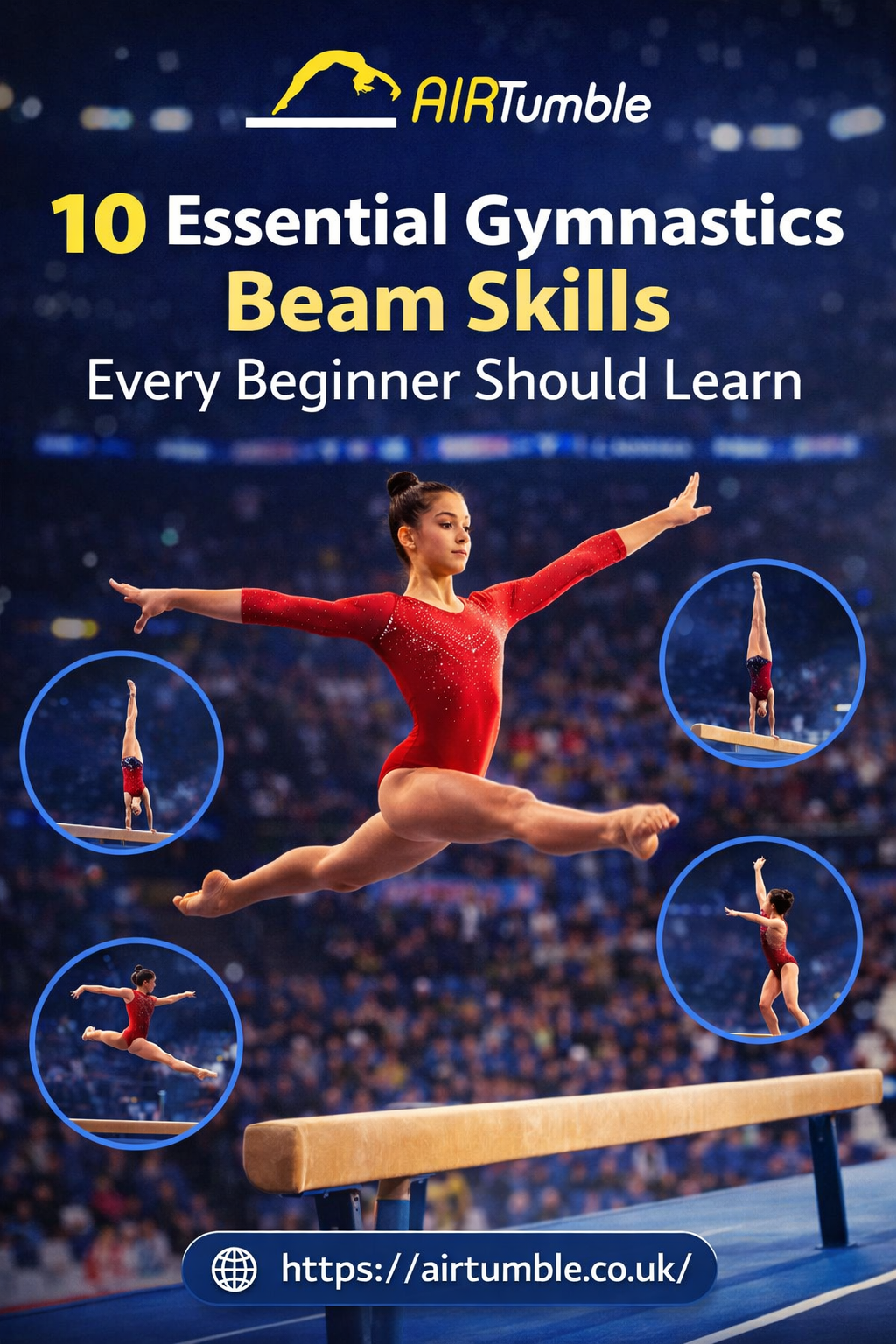
10 Essential Gymnastics Beam Skills Every Beginner Should Learn
Mastering the Gymnastics Beam is one of the most exciting yet challenging parts of any gymnastics journey. For beginners, building confidence on the beam starts with learning fundamental skills that improve balance, coordination, and control. With the right approach, proper use of gymnastics training aids, and supportive gymnastics mats, progression becomes safer and more enjoyable.
This guide explores ten essential beam skills every beginner should learn, along with practical insights to help develop strong technique from the start.
1. Mounting the Beam
A proper mount sets the tone for an entire routine. Beginners should start with a simple squat or step-on mount. Focus on controlled movement and steady balance rather than speed.
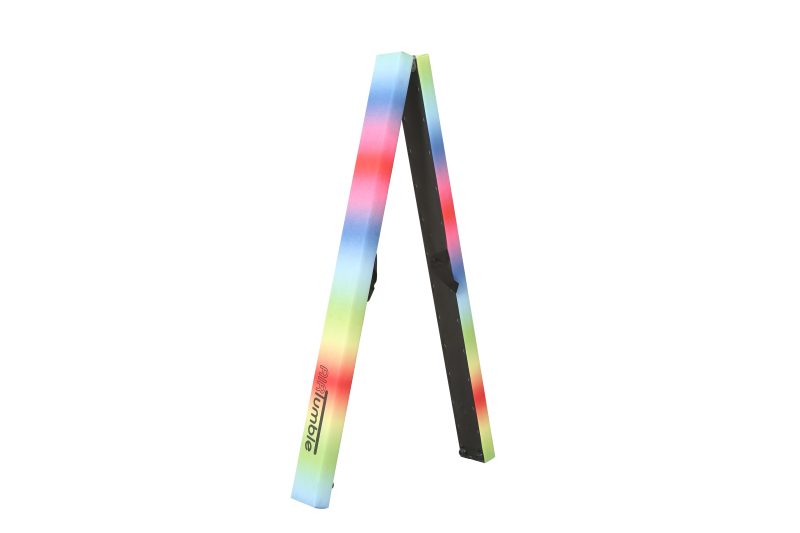
Using quality equipment from AirTumble can make practice more comfortable, especially when learning mounts at lower heights before progressing to standard beams.
2. Basic Walking Technique
Walking confidently on the Gymnastics Beam is a foundational skill. Start by placing one foot directly in front of the other, keeping eyes forward and arms extended for balance.
Practising on low beams with gymnastics mats underneath builds confidence while reducing fear of falling.
3. Relevé Walk (Toe Walking)
Once basic walking feels natural, progress to walking on toes (relevé). This skill strengthens ankles and improves posture.
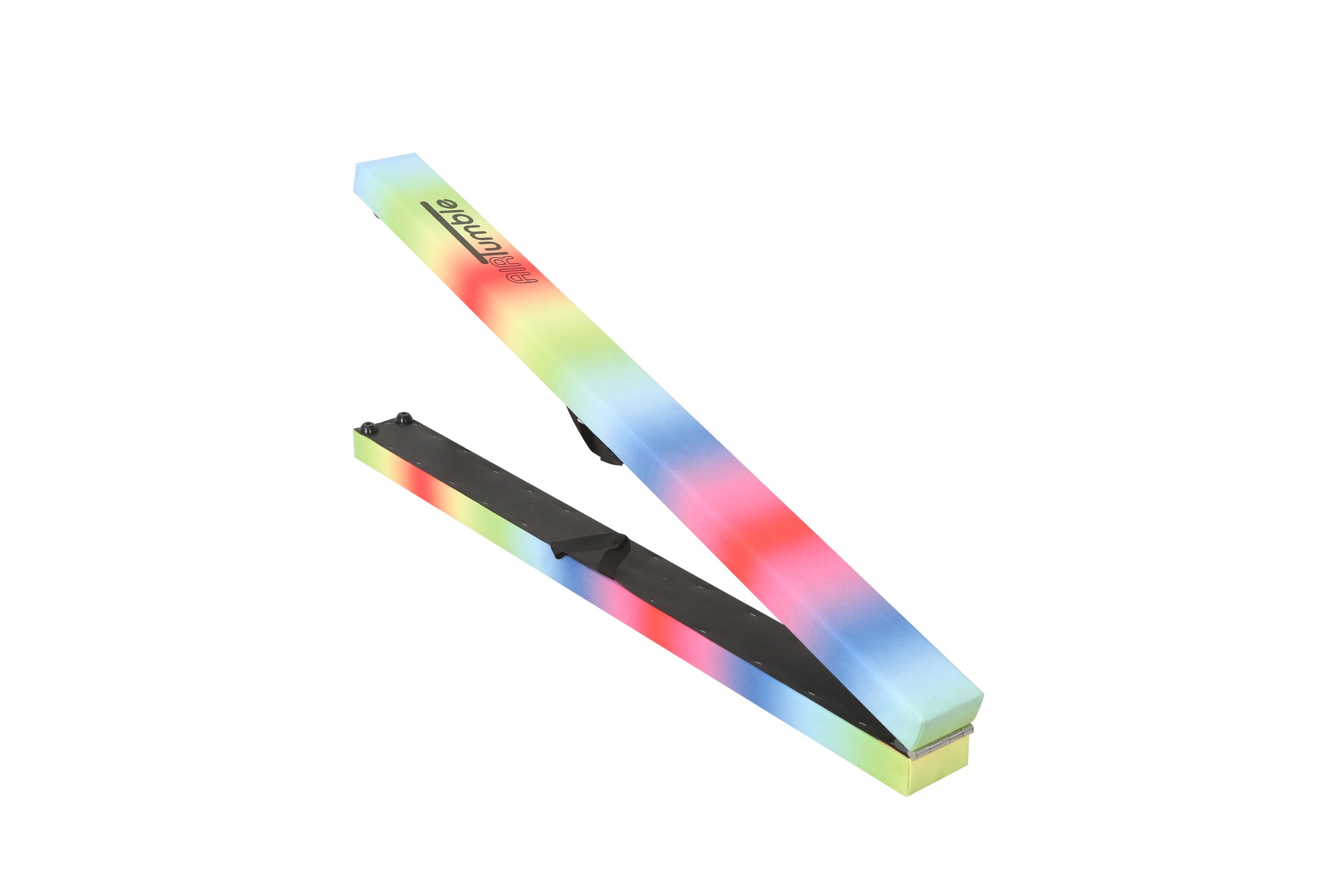
Use gymnastics training aids such as balance beams designed for home training to repeat movements consistently and safely.
4. Straight Jump
The straight jump is often the first aerial skill beginners attempt. The aim is to jump upward with both feet together while maintaining alignment.
Key tips:
-
Keep legs straight and together
-
Land softly with bent knees
-
Maintain focus on a fixed point
Adding gymnastics mats ensures safe landings during repeated attempts.
5. Tuck Jump
A tuck jump introduces more complexity by bringing knees toward the chest mid-air. This skill develops core strength and coordination.
Beginners should practise this skill off the beam first using gymnastics training aids before attempting it on the Gymnastics Beam.
6. Pivot Turn
A pivot turn improves balance and introduces controlled rotation. Start with a half turn (180 degrees) before progressing further.
Technique pointers:
-
Keep weight centred over the supporting foot
-
Use arms for balance control
-
Move slowly and deliberately
Practising on a line on the floor before using the beam can be very helpful.
7. Arabesque Hold
The arabesque is a graceful balance position where one leg lifts behind while the upper body leans slightly forward.
Benefits include:
-
Improved flexibility
-
Better posture
-
Enhanced control on the Gymnastics Beam
Consistent practice with gymnastics training aids can help maintain correct form.
8. Lunge Position
The lunge is a transition skill used before and after many movements. It involves stepping forward with one leg bent and the other extended behind.
Although simple, a strong lunge:
-
Improves stability
-
Supports safe landings
-
Connects skills smoothly
Using cushioned gymnastics mats during practice reduces strain on joints.
9. Cartwheel Preparation
A full cartwheel on the beam is advanced for beginners, so preparation drills are essential. Start with:
-
Side hand placements on floor lines
-
Elevated surfaces before narrow beams
High-quality gymnastics training aids help break the skill into manageable steps, making learning safer and more structured.
10. Dismount Basics
Every routine must end with a safe dismount. Beginners should start with simple jump-offs or step-down dismounts.
Focus areas:
-
Controlled landing
-
Bent knees to absorb impact
-
Stable finish position
Using thick gymnastics mats is crucial when practising dismounts to prevent injuries.
Tips for Beginners Learning Gymnastics Beam Skills
Progressing on the Gymnastics Beam requires patience and consistency. Here are some useful tips:
-
Start low: Practise on floor beams before moving higher
-
Use proper equipment: Reliable gear from AirTumble enhances safety and comfort
-
Train regularly: Short, frequent sessions work better than long, irregular ones
-
Focus on form: Good technique prevents bad habits
-
Stay confident: Fear is normal, but gradual exposure builds confidence
Incorporating gymnastics training aids and gymnastics mats into training routines ensures a supportive learning environment.
Why These Skills Matter
Each of these ten skills builds a foundation for more advanced gymnastics techniques. Without mastering basics, progressing on the Gymnastics Beam becomes difficult and potentially unsafe.
Strong fundamentals lead to:
-
Better balance and coordination
-
Increased confidence
-
Reduced risk of injury
-
Smoother progression to advanced routines
Building skills on the Gymnastics Beam is a rewarding journey that combines discipline, strength, and grace. By focusing on these essential beginner skills and using the right equipment such as gymnastics training aids and gymnastics mats, steady improvement becomes achievable. With consistent effort and proper guidance, confidence on the beam will grow naturally over time.
FAQ: Gymnastics Beam for Beginners
What is the best way to start learning Gymnastics Beam skills?
Begin with low beams or floor lines and focus on balance exercises. Use gymnastics mats for safety and gradually progress to higher beams.
Are gymnastics training aids necessary for beginners?
While not mandatory, gymnastics training aids significantly improve learning by providing support, structure, and safety during practice.
How often should beginners train on the beam?
Training 2–4 times per week is ideal. Consistency helps develop muscle memory and confidence on the Gymnastics Beam.
What equipment is recommended for safe practice?
A combination of a beginner beam, supportive gymnastics mats, and quality gear from AirTumble creates a safe training setup.
How long does it take to learn basic beam skills?
Progress varies, but most beginners can develop basic skills within a few weeks to a few months with regular practice.